Why Psychedelics Might Be the Ultimate API for Human Consciousness
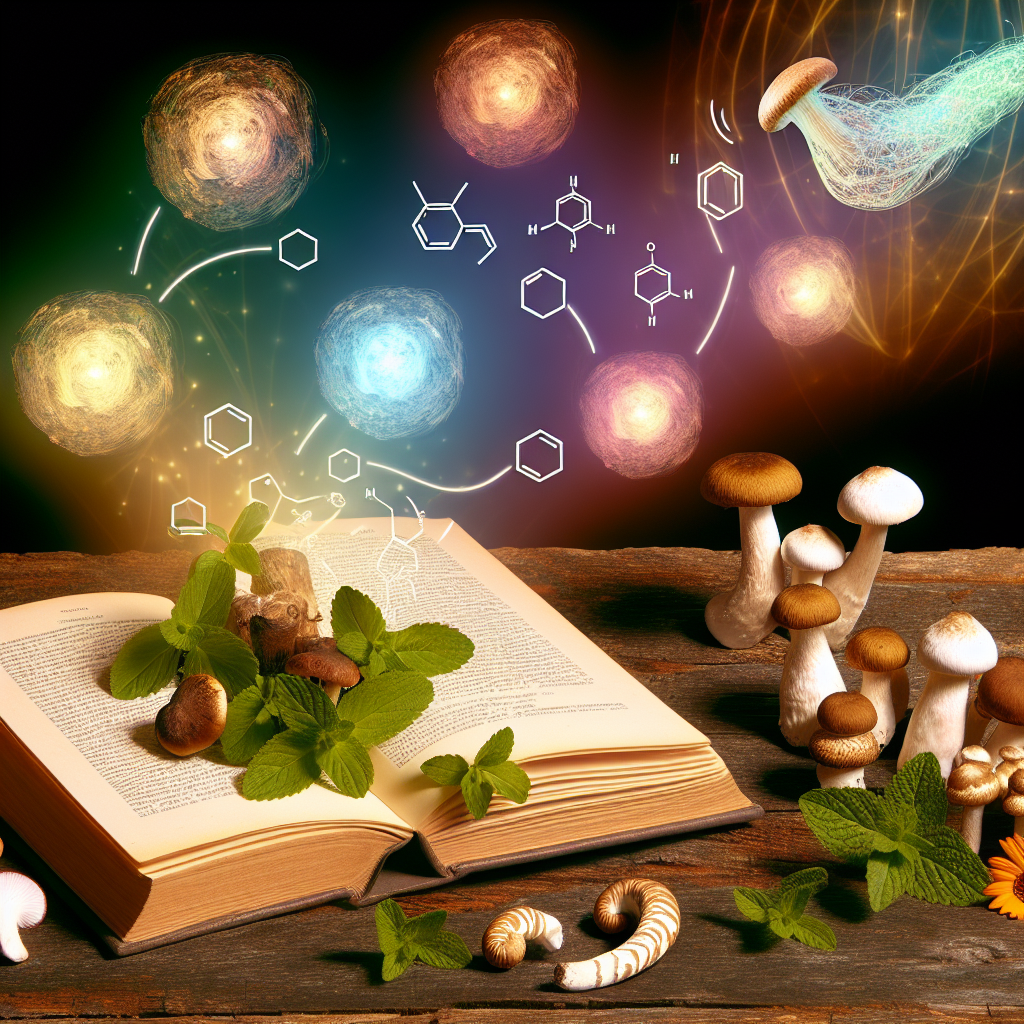
In recent years, there has been a surge in interest regarding the use of **psychedelics**, such as **psilocybin**, as not only therapeutic agents but also as profound tools for exploring the **human mind**. As our understanding of the **brain** and **consciousness** continues to expand, psychedelics offer a novel perspective that challenges conventional wisdom. This resurgence isn’t merely a trip down memory lane to the **1960s** era of experimentation; it’s a serious scientific inquiry into the nature of consciousness itself.
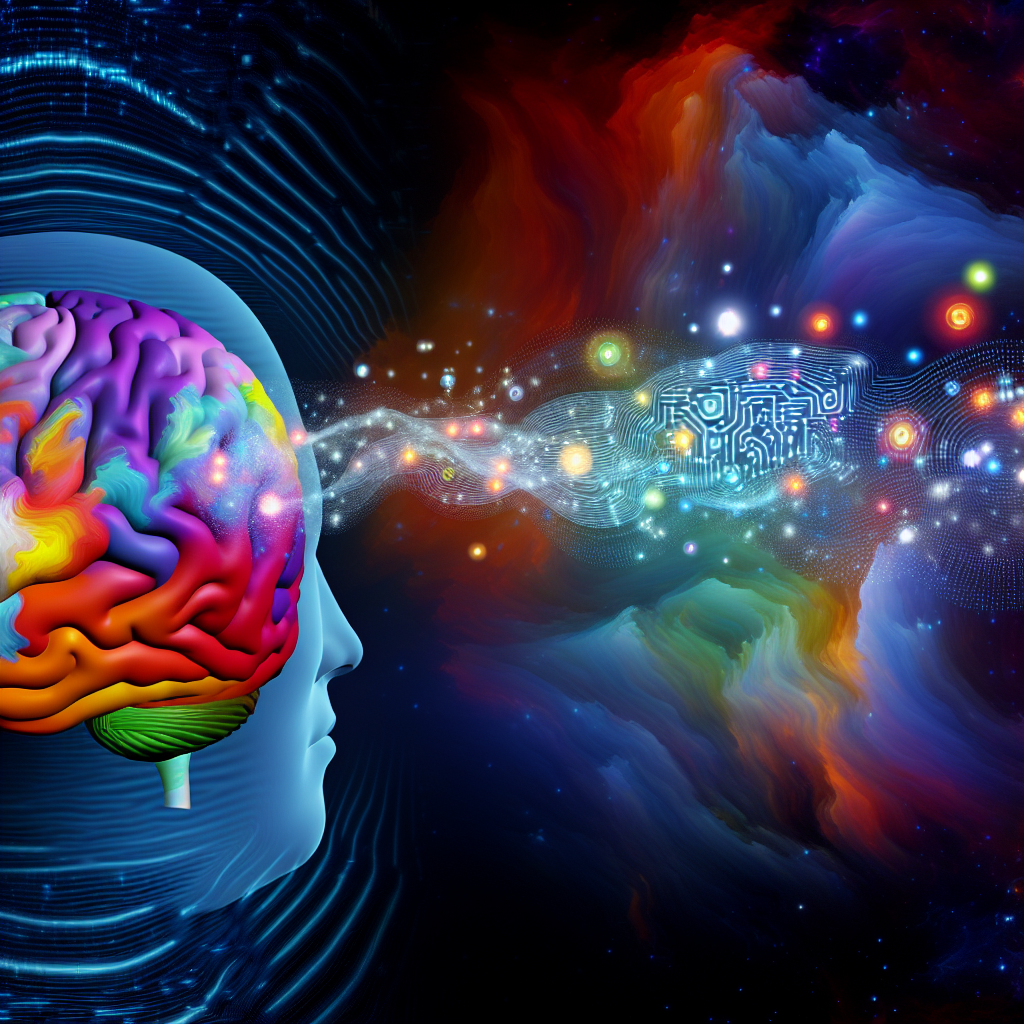
Psychedelics like **psilocybin**, **LSD**, and **DMT** are being re-evaluated as potential **APIs** (Application Programming Interfaces) for human consciousness. An API in technology allows different software programs to communicate with each other. Similarly, psychedelics appear to allow a deeper interface between different parts of the brain, heightening connectivity and reshaping perception. The notion here is that these substances may allow us to tap into layers of consciousness previously inaccessible, offering transformative experiences that can promote mental well-being and personal growth.
For millennia, **indigenous cultures** have utilized psychedelic plants in religious and healing rituals. Today, modern science is catching up, exploring these substances in controlled, therapeutic contexts. Studies have shown that psychedelics can prompt **neural plasticity** — the brain’s ability to adapt and reorganize. By promoting new neural connections, psychedelics might play a pivotal role in treating **mental health disorders**, including **depression**, **PTSD**, and **anxiety**, conditions often characterized by rigid patterns of negative thinking and emotional response.
Moreover, psychedelics offer more than just mental health benefits. They can induce mystical experiences marked by deep spiritual insights and a connection to something greater than oneself. Such insights have been directly linked to improved life satisfaction and purposefulness, crucial components of holistic health. By acting as an API of sorts, psychedelics not only facilitate new connections within the brain but also potentially between the individual and the broader universe of experience, fostering a profound sense of unity and understanding.
Features: Emerging Studies and Insights
The therapeutic potential of psychedelics is supported by a growing body of professional and medical studies. Research conducted by institutions such as [Johns Hopkins University](https://www.hopkinsmedicine.org) and [Imperial College London](https://www.imperial.ac.uk/news/162202/how-brain-image-reveals-consciousness-unlocking/) has documented the significant mental health benefits of psilocybin-assisted therapy. For instance, a seminal study published in the journal *Psychopharmacology* found that psilocybin produced substantial and sustained decreases in depression and anxiety in patients with life-threatening cancer. [Read more here](https://doi.org/10.1007/s00213-016-4471-1).
Meanwhile, a groundbreaking study from Imperial College London utilizing brain imaging technology revealed that psychedelics decrease activity in the brain’s **default mode network** (DMN), a region associated with a sense of self. By reducing the DMN’s dominance, psychedelics can help dissolve the traditional boundaries of self, allowing users to perceive their consciousness in new, interconnected ways. This transient ego dissolution can be therapeutic, helping individuals break free from entrenched behavioral patterns and see their problems from new perspectives.
Additionally, psychedelic research is illuminating how these substances might foster neural plasticity. A study published in *Cell Reports* showcased that psychedelics promote growth and proliferation of dendritic spines in cortical neurons. [Explore the study further](https://doi.org/10.1016/j.celrep.2018.12.050). This structural change suggests that psychedelics could remodel brain circuits, offering mechanisms to combat neural rigidity found in many psychiatric disorders.
The profound spiritual experiences triggered by psychedelics are also being studied for their potential to enhance life quality. The Johns Hopkins research emphasized that the mystical-type experiences facilitated by psilocybin had enduring positive effects on well-being. Participants often describe enhanced life satisfaction, a meaningful increase in creativity, and a newfound connection to the world around them.
Conclusion
As scientific interest in **psychedelics** as potential therapeutic agents for various psychological and cognitive ailments grows, they may indeed prove to be the ultimate **API** for human consciousness. By opening new pathways to understanding and unlocking the mind’s potential, psychedelics challenge traditional frameworks of thought, offering revolutionary avenues for healing and personal discovery. As research continues, these ancient substances could pave the way for a new era in mental health and consciousness exploration, affirming their place in modern medicine and society.
**Summary**
Psychedelics like psilocybin, LSD, and DMT are emerging as potential APIs for exploring human consciousness, offering transformative mental health and spiritual benefits. Modern research highlights their capacity to enhance neural plasticity, decrease default mode network activity, and promote profound spiritual experiences. Institutions like Johns Hopkins University and Imperial College London demonstrate the significant therapeutic potential of psychedelics, indicating their role in treating mental health disorders and enhancing overall life satisfaction. As scientific interest grows, psychedelics may redefine mental health treatment and expand our understanding of consciousness.

Dominic E. is a passionate filmmaker navigating the exciting intersection of art and science. By day, he delves into the complexities of the human body as a full-time medical writer, meticulously translating intricate medical concepts into accessible and engaging narratives. By night, he explores the boundless realm of cinematic storytelling, crafting narratives that evoke emotion and challenge perspectives. Film Student and Full-time Medical Writer for ContentVendor.com