The Silent Psychedelic: Why Neuroimmune Targeting May Be the Next Frontier in Psilocybin Therapy
In recent years, **psychedelic substances** have experienced a renaissance in research circles due to their potential therapeutic effects on various psychological and neurological disorders. Of these substances, **psilocybin**—found in “magic mushrooms”—has emerged as a leading candidate in the field of psychedelic-assisted therapy. Traditionally, much of the focus has been on psilocybin’s impact on **serotonin receptors** and its ability to induce profound psychological experiences that often lead to behavioral change. However, a burgeoning area of interest is **neuroimmune targeting**, which explores how psilocybin might modulate the immune system’s interaction with the nervous system. This multifaceted approach could revolutionize the way we understand and use psilocybin in clinical settings.
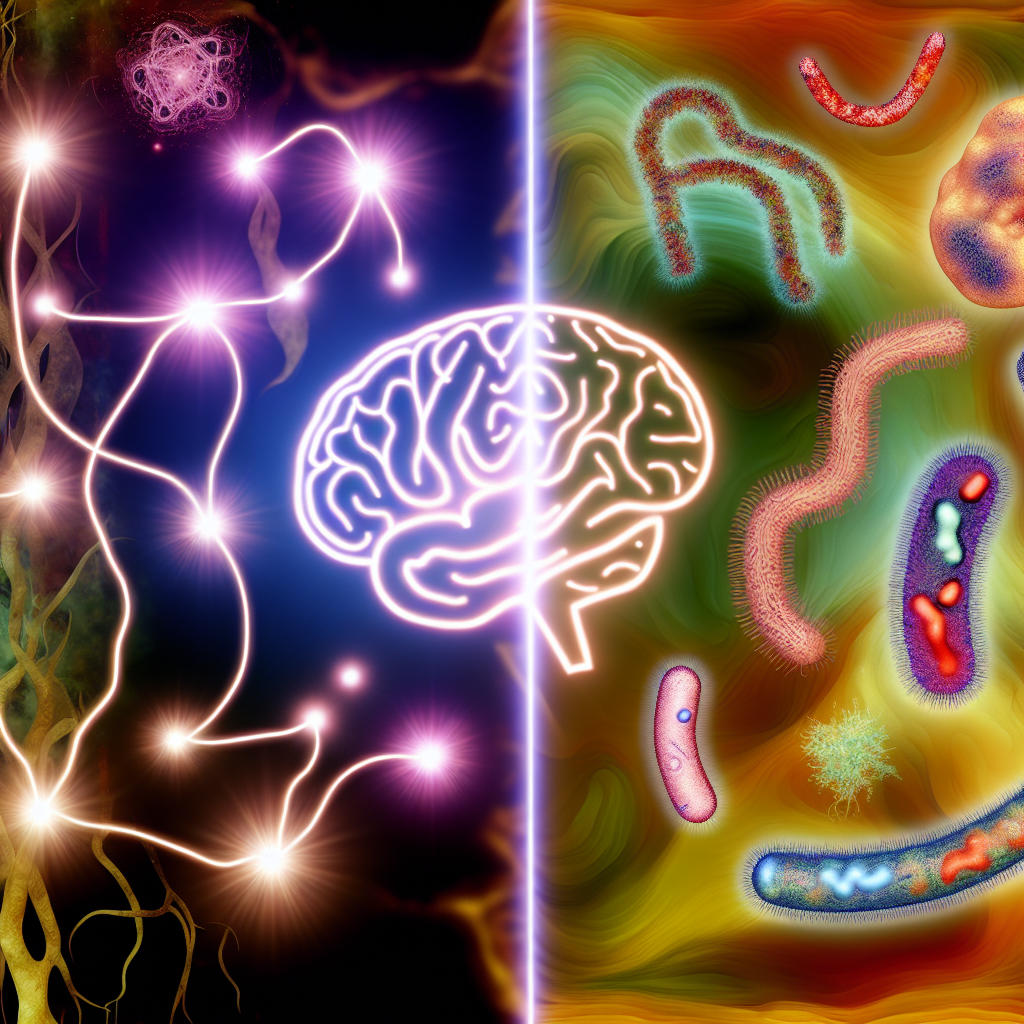
The human body operates as an intricate network of systems that communicate seamlessly to maintain balance or homeostasis. The **immune system** and the **central nervous system (CNS)** are two of these interconnected systems. Current research indicates that inflammation and immune dysregulation play significant roles in mental health disorders such as **depression**, **anxiety**, and **PTSD**. Psilocybin may offer a unique avenue for targeting these ailments by not only acting on the CNS but also modulating immune responses. The concept of neuroimmune targeting posits that psilocybin could recalibrate an overactive immune response while simultaneously addressing the psychological symptoms facilitated by its serotonin system interaction.
In essence, the silent psychedelic may function both as a mental and physical reset, providing relief where traditional pharmacological interventions have failed. Early research has already shown promise. For instance, studies on rats have suggested that psilocybin can reduce inflammation in brain tissues, thereby pointing to potential mechanisms for treating neuroinflammatory conditions in humans. As the scientific community delves deeper into exploring these pathways, psilocybin could be on the cusp of becoming a versatile agent used for a myriad of conditions rooted in neuroimmune dysregulation.
Features: Supporting Studies and Scientific Exploration
The potential of psilocybin as a therapeutic agent is being continuously investigated through various clinical and preclinical studies. One particularly compelling study was conducted by the [**Imperial College London**](https://www.imperial.ac.uk/news/180078/psilocybin-could-lifting-spirits-depression/), which examined the effects of psilocybin on treatment-resistant depression. This study revealed significant reductions in depressive symptoms, even for those with long histories of unsuccessful treatments with conventional medications (Carhart-Harris et al., 2016).
What makes these findings particularly interesting is the hypothesis that some of these antidepressant effects may be mediated by neuroimmune interactions. Research indicates that a significant amount of psychological disorders are precipitated by **neuroinflammation** ([Miller et al., 2013](https://www.ncbi.nlm.nih.gov/pmc/articles/PMC3798738/)). Additional research is focusing on how psilocybin could alleviate these issues by modulating immune system functions, specifically through reducing the levels of pro-inflammatory cytokines in the brain.
In a lab study, researchers discovered that psilocybin reduced inflammatory markers in rodent models by decreasing the production of pro-inflammatory cytokines, which are signaling molecules that exacerbate inflammation (Ginsberg et al., 2020). Though the translation of this outcome to human application is still in preliminary stages, the findings stimulate optimism as experiments continue to investigate the neuroimmune pathways affected by psychedelics.
Furthermore, there’s emerging evidence on the interaction between psilocybin and the **vagus nerve**—a critical component of the neuroimmune network. Activation of the vagal pathways, influenced by psychoactive substances, might offer another avenue for reducing systemic inflammation and fostering emotional regulation ([Füllgrabe et al., 2018](https://bpspubs.onlinelibrary.wiley.com/doi/full/10.1111/bph.14372)).
Conclusion
Psilocybin stands at the cutting edge of modern therapy, with the potential to revolutionize treatments for a host of psychological and neuroinflammatory conditions through its neuroimmune targeting capabilities. As ongoing studies illuminate the pathways through which the silent psychedelic operates, its promise continues to grow. The next frontier in psilocybin research appears to be a promising one—offering hope for more holistic and effective treatment paradigms in the future.
Summary: Psilocybin, a psychedelic substance found in “magic mushrooms,” is gaining prominence for its potential therapeutic effects in psychological and neurological disorders through neuroimmune targeting. This multifaceted approach, focusing on both the central nervous and immune systems, could revolutionize clinical settings by addressing conditions like depression, anxiety, and PTSD. Current research suggests psilocybin reduces neuroinflammation and modulates immune responses, presenting an innovative pathway for treatment-resistant conditions. Emerging studies underline psilocybin’s capability to interact with the vagus nerve, offering further possibilities for reducing systemic inflammation and enhancing emotional regulation.

Dominic E. is a passionate filmmaker navigating the exciting intersection of art and science. By day, he delves into the complexities of the human body as a full-time medical writer, meticulously translating intricate medical concepts into accessible and engaging narratives. By night, he explores the boundless realm of cinematic storytelling, crafting narratives that evoke emotion and challenge perspectives. Film Student and Full-time Medical Writer for ContentVendor.com