Psychedelic Medicine Meets AI: Revolutionizing Personalized Neurofeedback and Mental Health Outcomes
Introduction
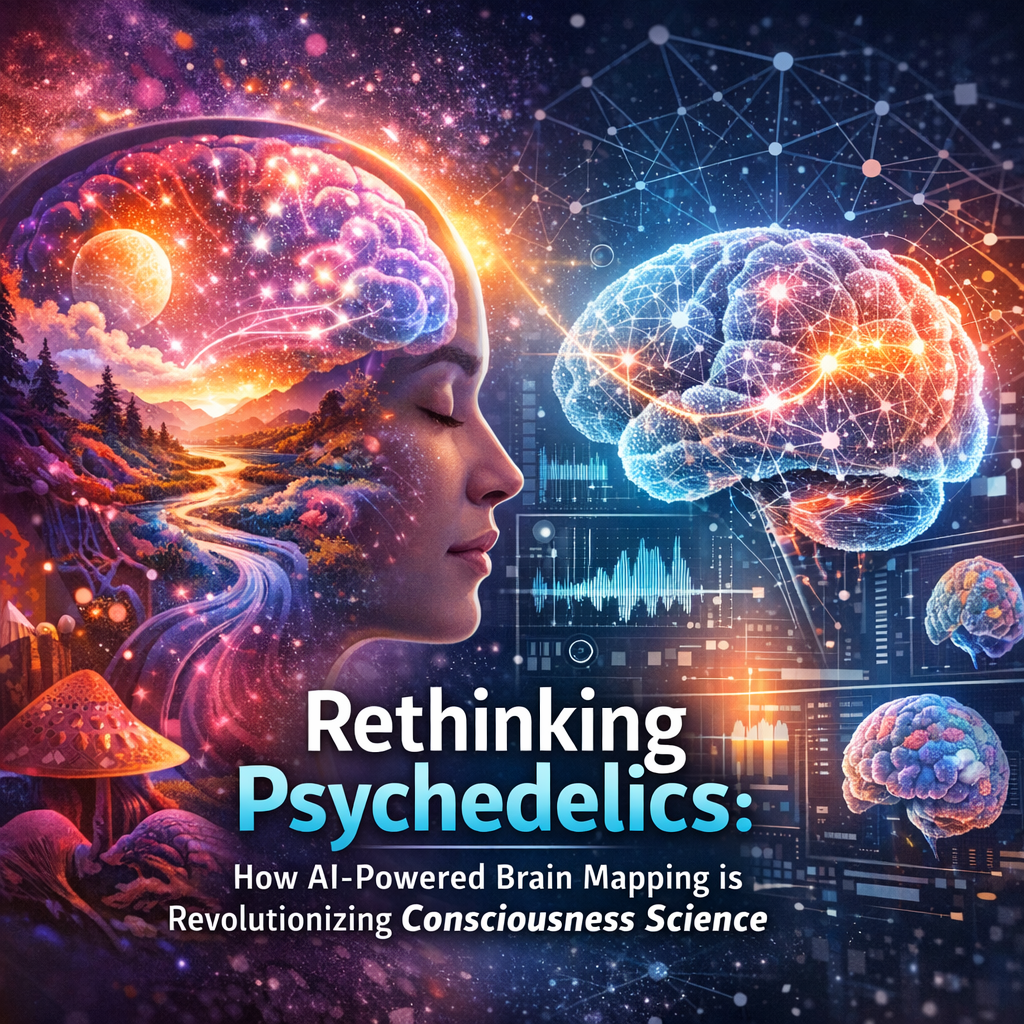
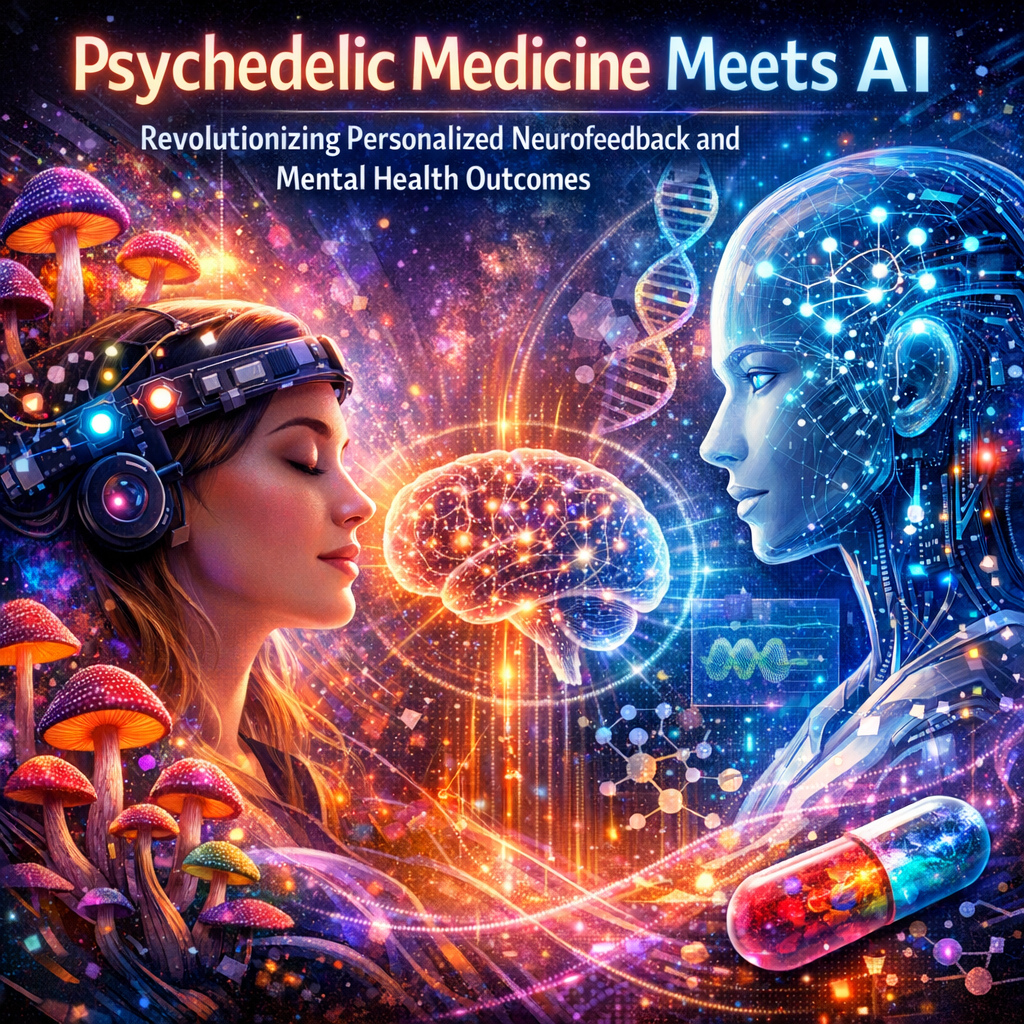
In recent years, the intersection between psychedelic medicine and artificial intelligence (AI) has gained significant traction as a groundbreaking field with the potential to transform mental health treatment. Psychedelics, such as psilocybin, have shown promise in treating conditions like depression, anxiety, and PTSD. However, tailoring these treatments to individual needs has always been a challenge. Enter AI, a technological powerhouse capable of analyzing vast amounts of data to create personalized treatment protocols. The synergy of psychedelics and AI offers cutting-edge prospects in the realm of neurofeedback—a technique that uses real-time data to train individuals to control their brain processes—and personalized mental health outcomes.
Psychedelics like psilocybin exhibit profound effects on human neurochemistry. By altering brain connectivity and enhancing neural plasticity, these substances offer a potent method to break through entrenched mental health conditions. While early psychedelic research demonstrated broad-spectrum effects, there’s a growing focus on targeted, personalized applications. Here, AI steps in. With its unparalleled ability to process complex datasets—from genetic information to real-time brain scans—AI can facilitate personalized psychedelic treatment by identifying the optimal conditions, dosage, and environment for each patient.
AI-driven neurofeedback systems promise to enhance the therapeutic effects of psychedelics by providing real-time insights into brain activity. These systems can monitor brainwave patterns, emotional responses, and psychological states, creating feedback loops that enable patients to consciously alter brain activity. This form of feedback not only maximizes the therapeutic potential of psychedelics but also empowers patients, providing them with the tools to manage their mental health autonomously.
Moreover, wearable technology integrated with AI can offer real-time data collection, translating into dynamic neurofeedback that adjusts treatment protocols instantly. This means each session leverages the most current data for adjustments, ensuring a continuously optimized therapeutic experience. Consequently, the convergence of psychedelics and AI is not just about enhancing efficacy but also addressing one of the central criticisms of psychiatric interventions: their lack of personalization.
Features
A key study highlighting this revolutionary integration is the work done by researchers at Imperial College London, where AI algorithms were employed to understand brain changes induced by psychedelic substances. The research used machine learning models to map the brain’s network dynamics before and after administering psychedelics like psilocybin and LSD, providing unprecedented insights into how these substances reorganize neural pathways. This pivotal study demonstrated AI’s potential to understand and predict the neuroplastic effects induced by psychedelic experiences, leading to more controlled therapeutic environments.
Moreover, a study published in Nature: Scientific Reports explored AI’s potential in predicting patient responses to psychedelics. Through robust datasets and algorithmic processing, researchers created predictive models to forecast how individuals might respond to psychedelic-assisted therapies based on their psychological background, genetic markers, and previous mental health history. Such studies underscore the capacity of AI to tailor psychedelic interventions to each individual’s unique physiological and psychological profile, fostering not only efficacy but also safety.
Additionally, companies like MindMed and Compass Pathways are at the forefront of incorporating AI into psychedelic therapies. MindMed, for example, is investing in personalized medicine strategies by developing AI systems that analyze patient data to optimize psychedelic treatments in real-time. These systems have the potential to transform mental health care by ensuring treatments are symptomatically effective and attuned to the patient’s evolving mental health needs.
AI is further being utilized to refine neurofeedback techniques. Enhanced by data from wearable EEG devices, AI systems can offer unparalleled insights into how psychedelics alter neural network dynamics. This means treatments can be refined continuously, with real-time adjustments based on the brain’s immediate response. For instance, specific neural pathways that predict a positive therapeutic outcome can be identified, facilitating a more directed and efficient treatment protocol.
Conclusion
The convergence of psychedelic medicine and AI marks a paradigm shift in personalized mental health care. By integrating AI’s analytical prowess with the transformative potential of psychedelics, there lies an unprecedented opportunity to offer tailored mental health solutions that are efficient, effective, and personalized to the individual. As research and technology continue to advance, so does the promise of these integrated therapies to deliver profound improvements in mental health outcomes, redefining the future of psychiatric care.
References
1. Imperial College London Study on Psychedelics and AI
2. Nature: Scientific Reports on AI and Psychedelic Response Prediction
3. MindMed’s Approach to AI and Psychedelics
Concise Summary
The integration of psychedelic medicine and AI is revolutionizing personalized mental health care. By combining the transformative effects of psychedelics with AI-driven data analysis, tailored treatment protocols can be developed, enhancing efficacy and patient autonomy. Key studies and companies such as Imperial College London, MindMed, and Nature demonstrate AI’s potential to predict patient responses and optimize treatments in real time. This fusion addresses the personalization gap in psychiatry, promising efficient, effective mental health solutions and redefining future psychiatric care.

Dominic E. is a passionate filmmaker navigating the exciting intersection of art and science. By day, he delves into the complexities of the human body as a full-time medical writer, meticulously translating intricate medical concepts into accessible and engaging narratives. By night, he explores the boundless realm of cinematic storytelling, crafting narratives that evoke emotion and challenge perspectives. Film Student and Full-time Medical Writer for ContentVendor.com