Psilocybin’s Untapped Potential: How Future Delivery Systems Could Transform Neurological Therapies
Introduction
In recent years, the world of **psychedelic research** has seen a resurgence, with **psilocybin**—a naturally occurring psychedelic compound found in certain mushrooms—taking center stage. Historically relegated to counterculture movements and underground therapy circles, psilocybin is now garnering serious attention from the scientific community as a potential breakthrough in **neurological therapies**. Traditionally consumed in its raw mushroom form, modern science is exploring innovative **delivery systems** that could maximize psilocybin’s therapeutic potential while minimizing side effects.
Florissant studies undertaken over the last two decades have shown promising results for psilocybin in the treatment of conditions like **depression**, **PTSD**, **anxiety**, and even **cluster headaches**. The compound’s ability to create profound changes in consciousness suggests a unique mechanism of resetting the brain’s default mode network. However, the challenge remains: how can we optimize its delivery to fully harness these benefits while ensuring patient safety and compliance?
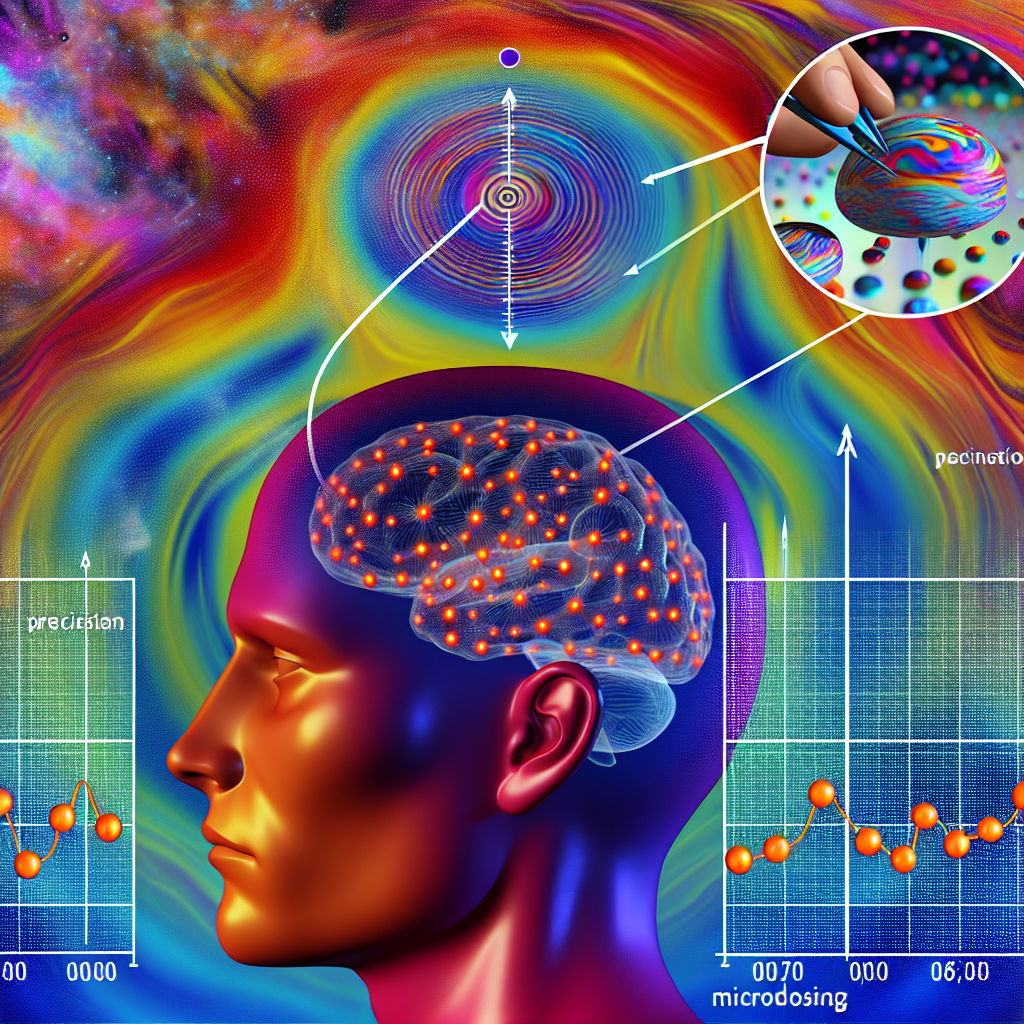
Current research is broadening the horizon far beyond typical consumption methods. Advances in pharmacology and biotechnology are exploring novel **delivery mechanisms**—such as **nanotechnology**, **encapsulated micro-dosing**, and **transdermal patches**—that could revolutionize the way we administer psilocybin for neurological conditions. These cutting-edge delivery systems could optimize absorption rates, control dosing more effectively, and reduce variability in patient response, issues that currently hold back psilocybin’s full therapeutic application.
As the stigma surrounding psychedelic compounds continues to dissipate, and policymakers lean towards decriminalization and clinical approval, a future where psilocybin is standard in neurological therapy is becoming increasingly conceivable. The confluence of advanced delivery systems and ongoing research could usher in a new era for neurological treatment, offering solutions where traditional pharmaceuticals fall short. Through cutting-edge delivery methods, psilocybin holds the promise of a potent, yet gentle, approach to **mental health treatment**, potentially transforming the landscape of neurological therapies for generations to come.
Features
Recent scientific studies have highlighted psilocybin’s efficacy in treating disorders traditionally considered refractory to treatment. A pivotal study by **Johns Hopkins University** found that psilocybin produced substantial and sustained decreases in depression and anxiety in patients after just two sessions ([Johns Hopkins University](https://www.hopkinsmedicine.org)).
From a clinical perspective, the safety and feasibility of psilocybin treatment have been supported by multiple **Phase 1** and **Phase 2 trials**. For example, a study published in **JAMA Psychiatry** indicated that guided psilocybin sessions resulted in rapid and large reductions in depressive symptoms, with marked improvements lasting up to four weeks post-dose ([JAMA Psychiatry](https://jamanetwork.com/journals/jamapsychiatry)).
Future delivery systems are being greatly anticipated by researchers who seek to enhance these promising results. **Transdermal patches**, similar to those used for nicotine replacement, could offer a slow-release method that provides constant therapeutic doses without overwhelming patients. This method is being explored for its potential to maintain stable plasma levels of psilocybin and reduce the peaks and troughs associated with oral ingestion.
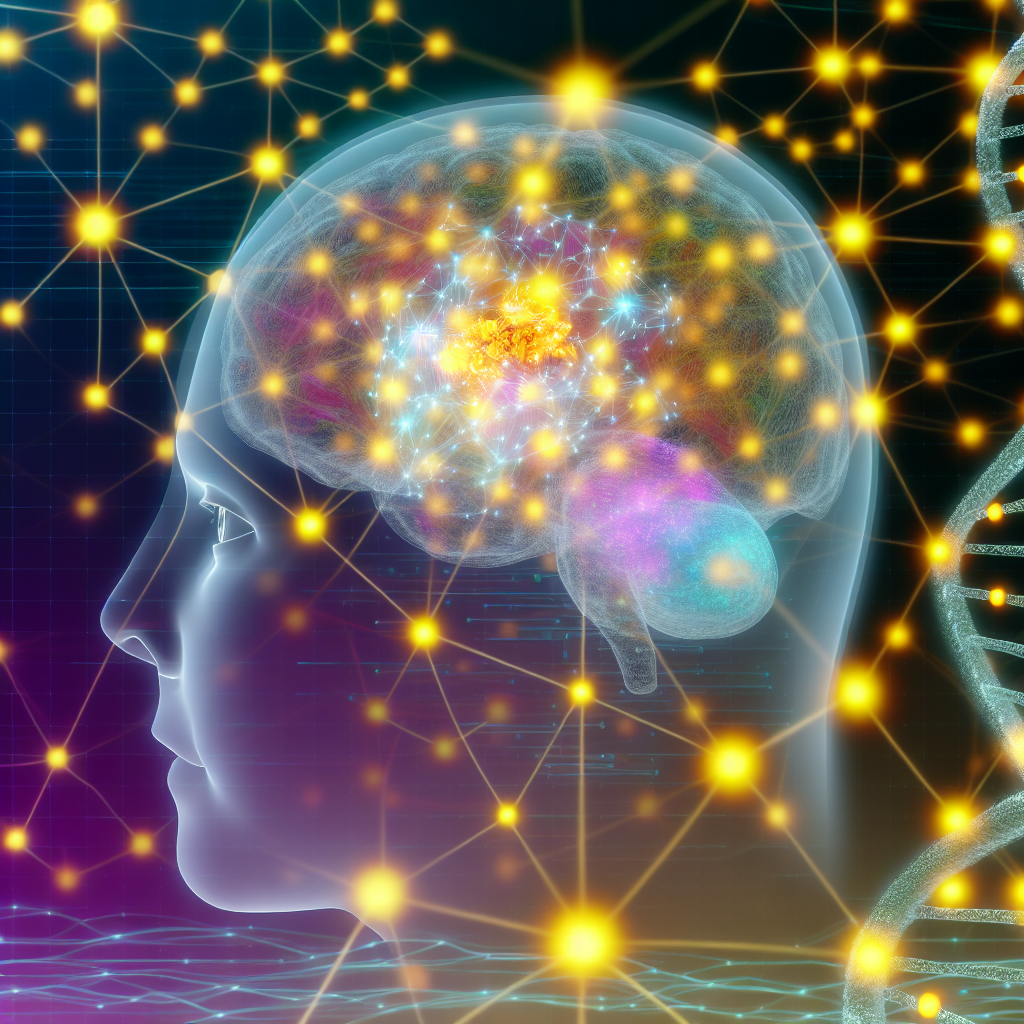
**Nanotechnology** is another cutting-edge area of exploration, leveraging **nanoparticles** to increase the bioavailability of psilocybin, ensuring that more of the active compound reaches the brain. Such technology can precisely target delivery to specific neurons, enhancing therapeutic outcomes while minimizing undesirable systemic effects.
Moreover, **encapsulated micro-dosing** is gaining traction as a viable delivery system. This approach involves packaging minute doses of the compound for daily use, purported to provide therapeutic effects without inducing a full psychoactive experience. Initiatives such as these could revolutionize patient adherence and expand psilocybin’s applicability to a wider audience.
The melding of biotechnology with a renewed understanding of **psychedelics** could unlock psilocybin’s true potential for treating neurological disorders. As researchers continue to map out these sophisticated delivery systems, the future appears brighter for the integration of psilocybin into mainstream therapeutic regimes.
Conclusion
In conclusion, psilocybin represents a beacon of hope for the treatment of intransigent neurological disorders. With innovative delivery systems on the horizon and a solid foundation of supportive research, psilocybin could soon transition from a novel therapeutic concept to a cornerstone of psychiatric and neurological treatment. As the evidence base grows and technology progresses, patients around the world may stand to benefit from this natural compound’s once-untapped potential.
**Concise Summary**
Psilocybin, a naturally occurring psychedelic, is gaining traction in the scientific community for its potential in treating neurological disorders like depression, PTSD, and anxiety. Recent studies have shown its efficacy, and emerging delivery systems such as nanotechnology, transdermal patches, and encapsulated micro-dosing could optimize its therapeutic benefits. These systems aim to improve absorption, control dosing, and enhance patient adherence, positioning psilocybin as a future cornerstone in mental health treatment. The blending of biotechnology with psychedelics could revolutionize neurological therapies, offering hope where traditional treatments have fallen short.

Dominic E. is a passionate filmmaker navigating the exciting intersection of art and science. By day, he delves into the complexities of the human body as a full-time medical writer, meticulously translating intricate medical concepts into accessible and engaging narratives. By night, he explores the boundless realm of cinematic storytelling, crafting narratives that evoke emotion and challenge perspectives. Film Student and Full-time Medical Writer for ContentVendor.com