Psilocybin’s Effects on Neuroinflammation – Implications for Neurodegenerative Diseases
Introduction
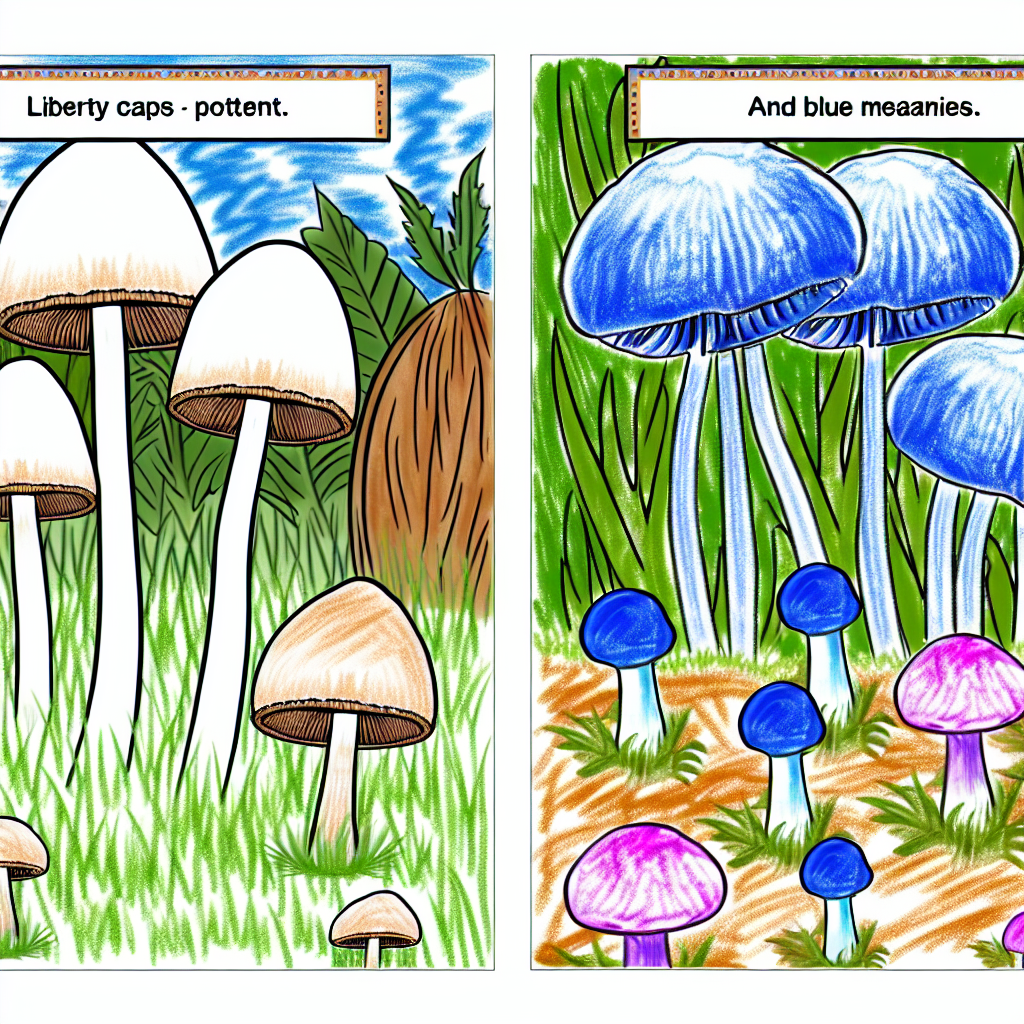
In recent years, **psilocybin**, the active compound found in **psychedelic mushrooms**, has gained attention for its potential therapeutic applications. Traditionally known for its **mind-altering effects**, psilocybin is now explored in the realm of **neurology**, especially regarding its effects on **neuroinflammation**—a prime suspect in the etiology and progression of various **neurodegenerative diseases**. With an aging population, diseases such as **Alzheimer’s**, **Parkinson’s**, and **multiple sclerosis** are becoming increasingly prevalent, creating an urgent need for innovative treatments.
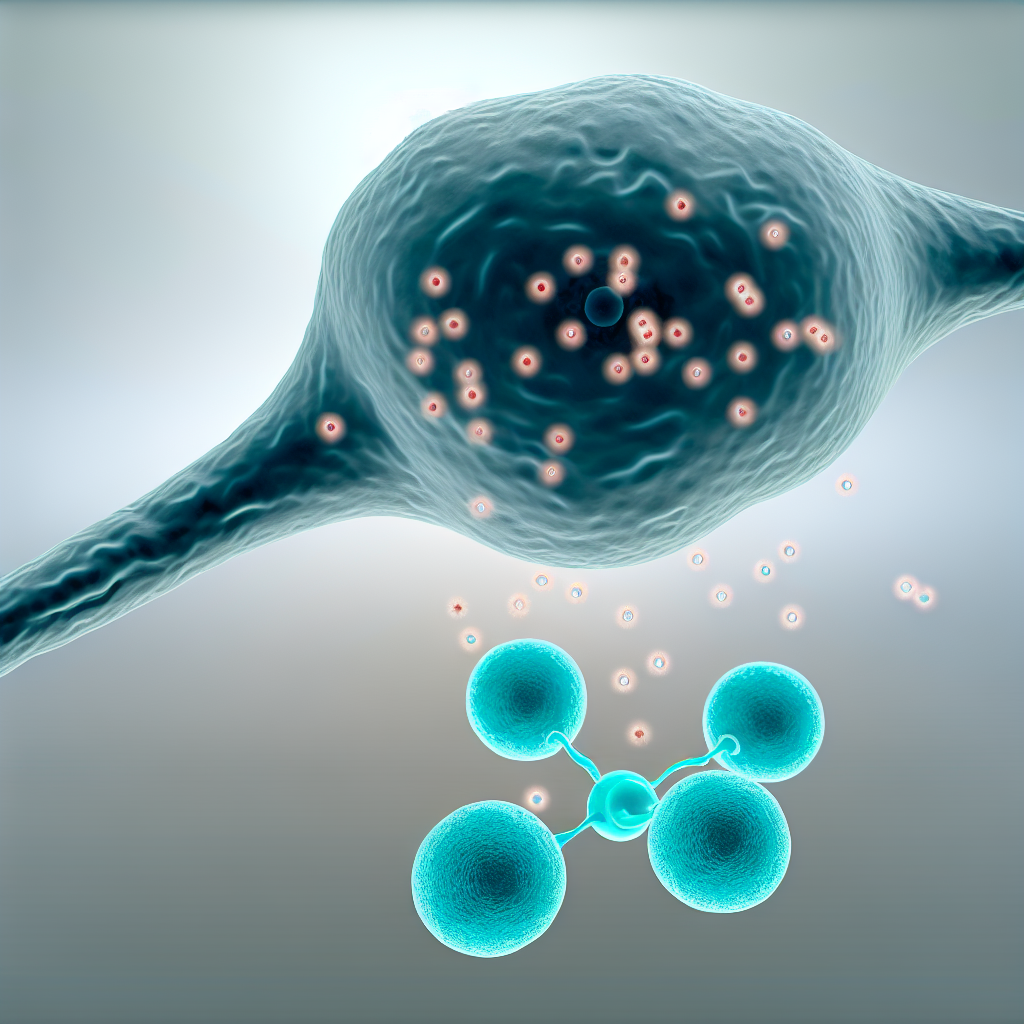
**Neuroinflammation** is a complex and often detrimental process contributing to neuronal damage in neurodegenerative diseases. It is characterized by the activation of **microglia** and **astrocytes** and involves the release of pro-inflammatory **cytokines** and other mediators that perpetuate neuronal damage. This widespread inflammation exacerbates symptoms and progresses neurodegenerative conditions. However, preliminary studies suggest that psilocybin may hold promise in modulating this inflammatory response, offering a novel therapeutic avenue.
**Psilocybin’s** interaction with the brain begins with its conversion to **psilocin**, which primarily engages the **serotonin 2A receptor** (5-HT2A). These interactions are thought to promote **synaptic plasticity** and modulate brain activity. Beyond reshaping neural pathways, psilocybin’s role in reducing neuroinflammation is particularly intriguing to scientists and medical professionals. The compound appears to provide a tri-fold benefit: attenuating neuroinflammation, promoting **cognitive flexibility**, and decelerating neurological decline.
The re-emergence of **psychedelic medicine**, particularly psilocybin, is gaining robust scientific support. As research evolves, the implications for psilocybin in treating neuroinflammatory processes associated with neurodegenerative diseases become compelling.
Features
Recent studies on psilocybin’s effects on the **central nervous system** have provided insights, particularly in its **anti-inflammatory properties**. A landmark study published in the journal [*Neuron*](https://www.cell.com/neuron/home) demonstrated psilocybin’s potential in reducing neuroinflammatory markers. The researchers found that psilocybin significantly decreased pro-inflammatory cytokines in animal models, suggesting a reduction in chronic inflammation observed in neurodegenerative diseases.
Further studies at the [Johns Hopkins Center for Psychedelic and Consciousness Research](https://www.hopkinsmedicine.org/psychiatry/research/psychedelics-research.html) have explored psilocybin’s influence on neuroplasticity and inflammation. These studies highlight that psilocybin, when administered in controlled environments, led to reduced expression of genes associated with inflammation, thus mitigating inflammatory responses at the cellular level. Such findings are critical towards modifying disease trajectories by targeting inflammation pathways specific to neurodegenerative disorders.
Psilocybin’s potential extends beyond animal models. Clinical trials on human subjects have begun to elucidate the therapeutic benefits of psilocybin in **neurological conditions** linked to inflammation. While in their infancy, preliminary results suggest improvements in **cognitive flexibility**, mood, and quality of life among patients with neurodegenerative diseases (source: [NIH Clinical Trials](https://clinicaltrials.gov/)).
Importantly, psilocybin’s capacity to interact symbiotically with the brain’s intricate networks offers dual benefits: alleviating symptoms and addressing underlying causes of neurodegeneration. This duality is promising for disorders difficult to treat with existing pharmaceuticals. While conventional treatments often aim to suppress symptoms without addressing the root cause, psilocybin could alter the disease’s course, providing symptom relief and delaying disease progression.
Conclusion
Although psilocybin’s journey from a psychedelic compound to a possible therapeutic agent is unfolding, its effects on neuroinflammation present a promising frontier for treating neurodegenerative diseases. The expanding field of psychedelic research underscores the importance of continuing investigations to substantiate psilocybin’s efficacy and safety. As more studies validate its therapeutic potential, psilocybin may soon redefine treatment approaches for neurodegenerative diseases, offering hope to millions affected globally.
Concise Summary
Psilocybin, the active compound in psychedelic mushrooms, is being studied for its potential to reduce neuroinflammation, a contributing factor in neurodegenerative diseases like Alzheimer’s, Parkinson’s, and multiple sclerosis. By engaging the serotonin 2A receptor and promoting synaptic plasticity, psilocybin may alleviate symptoms and alter disease progression. Recent studies, including animal models and early human trials, show promise for psilocybin in reducing inflammation, improving cognitive flexibility, and enhancing the quality of life for patients. As research continues, psilocybin holds the potential to become a novel treatment for neuroinflammatory conditions.

Dominic E. is a passionate filmmaker navigating the exciting intersection of art and science. By day, he delves into the complexities of the human body as a full-time medical writer, meticulously translating intricate medical concepts into accessible and engaging narratives. By night, he explores the boundless realm of cinematic storytelling, crafting narratives that evoke emotion and challenge perspectives. Film Student and Full-time Medical Writer for ContentVendor.com