Psilocybin and Addiction Treatment: Breaking Dependency Cycles
Introduction
In recent years, there has been a profound shift in how society views mental health and substance use disorders. Traditional methods of addiction treatment, while beneficial to many, often fall short of addressing the root causes of dependency. In response to these limitations, researchers and medical professionals have turned their attention to alternative approaches—one of the most promising being psilocybin-assisted therapy.
Psilocybin, the naturally occurring psychedelic compound found in specific mushroom species, is drawing increasing attention as a revolutionary tool for treating addiction.
Addiction is not merely a matter of willpower or moral failing. It emerges from a complex interplay of genetic, psychological, and environmental elements that form a persistent cycle of dependency. Standard treatments often include behavioral therapies, 12-step programs, and pharmacological interventions. Yet, relapse rates remain discouragingly high. Many individuals continue to struggle due to underlying issues like trauma, anxiety, depression, or chronic pain that fuel their addictive behaviors.
In contrast, psilocybin therapy appears to offer a different kind of therapeutic benefit—facilitating a neurological “reset,” encouraging emotional openness, and enabling patients to break long-held patterns of dependency.
What sets psilocybin apart is its ability to ignite profound psychological insights and emotional release, particularly when administered in a safe, structured setting. Reports from participants frequently describe intense experiences of unity, ego dissolution, compassion, and inner clarity. These sessions often lead to a reassessment of personal values, priorities, and behaviors—factors critical to long-term recovery.
Scientific studies and clinical trials support these claims. Research highlights psilocybin’s potential in treating various forms of addiction, such as alcohol dependence, nicotine use, and even opioid misuse. Beyond vivid anecdotal success stories, a growing volume of peer-reviewed data is backing up its effectiveness with empirical rigor.
In this article, we explore both the science and real-world application of psilocybin-assisted therapies. As society increasingly embraces holistic views of mental wellness, psilocybin may mark a powerful step forward in addressing the global addiction crisis.
Scientific Evidence on Psilocybin and Addiction Recovery
One of the most compelling pieces of evidence for psilocybin in addiction treatment comes from a landmark study at Johns Hopkins University. Led by Dr. Matthew Johnson, the 2014 pilot study focused on smoking cessation. After a 15-week program incorporating just two or three psilocybin sessions, 80% of participants remained smoke-free six months later. This figure contrasts starkly with conventional success rates in smoking cessation, often below 30%.
Expanding on this promising work, a 2021 randomized clinical trial examined psilocybin-assisted therapy for individuals struggling with alcohol use disorder. Conducted under rigorous conditions, the study paired psilocybin sessions with cognitive-behavioral therapy (CBT). Participants experienced fewer alcohol cravings, reduced instances of heavy drinking, and reported increased emotional motivation to maintain their sobriety.
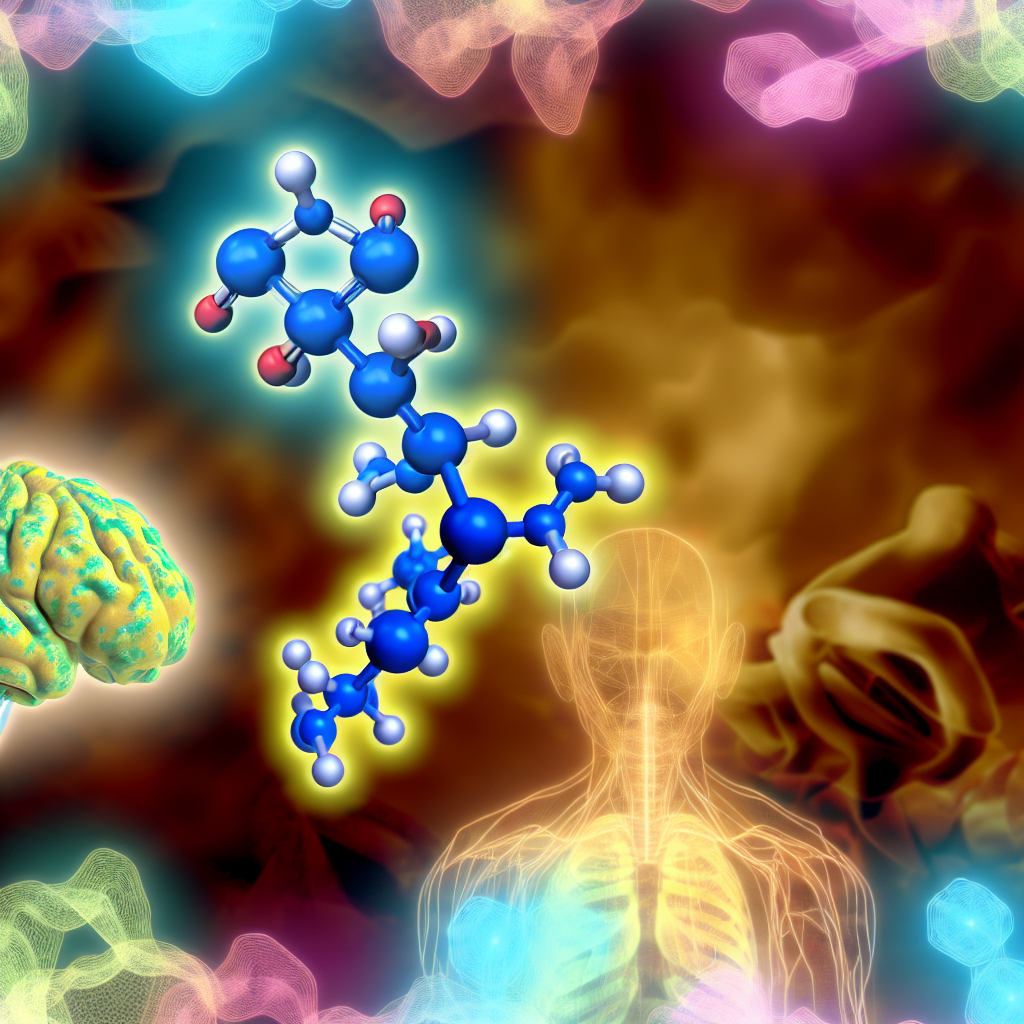
The underlying mechanism is grounded in neurobiology. Psilocybin acts primarily on serotonin 2A receptors, which are deeply involved in mood, cognition, and perception. This interaction temporarily reorganizes the brain’s activity, opening the door to new patterns of thinking and feeling. Functional MRI scans of brains under the influence of psilocybin reveal a breakdown of default mode network activity—often linked to rigid thought loops associated with depression and addiction.
Just as importantly, participants often experience what researchers call “mystical-type” experiences. These are characterized by feelings of interconnectedness, timelessness, ego dissolution, and emotional insight. A foundational 2006 study by Griffiths et al. found that the degree to which participants experienced these transcendent moments directly correlated with the positive effects they retained months later. This supports the idea that the lasting benefits of psilocybin therapy are not purely biochemical—but rooted in profound psychological transformations.
Emerging studies are also assessing psilocybin’s effects on opioid use disorders. While research is still in early stages, preliminary findings are promising. Participants report enhanced emotional regulation and mindfulness—both critical in preventing relapse in opioid recovery. These benefits may make psilocybin a viable future treatment for one of today’s most urgent public health emergencies.
However, researchers highlight that outcome success is highly dependent on the therapeutic framework—what’s commonly known in the psychedelic field as “set and setting.” Psilocybin sessions are carefully guided: including pre-treatment counseling to set intentions, support during the psychedelic experience, and post-session integration therapy. This structure ensures patients derive meaningful, lasting benefits from their experience and encourages behavior change beyond the psychedelic event itself.
As encouraging as these results are, psilocybin is not a cure-all. It does not automatically eliminate addiction but offers powerful leverage to interrupt the cycle. With proper integration in clinical settings and continued research, psilocybin could become a vital addition to mainstream addiction care.
Conclusion
The convergence of scientific research and personal testimonials paints a promising picture: psilocybin has the potential to transform how we treat addiction. By fostering deep emotional engagement, resetting neural pathways, and elevating motivation and self-understanding, it offers a comprehensive approach to healing.
As new clinical trials proceed and regulatory systems catch up, more individuals could gain access to these safe, supervised therapies. The hope is not to replace established treatments, but to enhance them—bringing a holistic, mind-expanding perspective into the process of recovery.
Psilocybin-assisted therapy may one day redefine successful treatment—not simply as abstinence, but as a return to meaning, purpose, and connection.
References
- Johns Hopkins Medicine (2014) – Psilocybin Helps Longtime Smokers Quit
- Bogenschutz, M.P., et al. (2022) – Psilocybin-Assisted Therapy and Alcohol Use Disorder
- Griffiths, R.R. et al. (2006) – Mystical-Type Experiences and Enduring Positive Effects
- Imperial College London – Psychedelic Research Centre
- Multidisciplinary Association for Psychedelic Studies (MAPS)
Concise Summary
Psilocybin-assisted therapy offers a groundbreaking avenue for treating addiction by targeting both neurological and psychological roots of dependency. Backed by studies from institutions like Johns Hopkins and JAMA Psychiatry, this approach promotes emotional healing, reduces cravings, and improves long-term abstinence—especially for alcohol, nicotine, and opioid use disorders. With structured therapeutic use, psilocybin catalyzes introspection, emotional breakthroughs, and behavioral change. As legal and medical frameworks evolve, it has the potential to reshape addiction treatment models, offering hope for holistic and sustainable recovery.

Dominic E. is a passionate filmmaker navigating the exciting intersection of art and science. By day, he delves into the complexities of the human body as a full-time medical writer, meticulously translating intricate medical concepts into accessible and engaging narratives. By night, he explores the boundless realm of cinematic storytelling, crafting narratives that evoke emotion and challenge perspectives. Film Student and Full-time Medical Writer for ContentVendor.com