Medicinal Mushrooms for Autoimmune Conditions: Research Updates
Introduction
Autoimmune diseases affect over 50 million Americans, with nearly 80% being women. These conditions—such as rheumatoid arthritis, multiple sclerosis, lupus, Hashimoto’s thyroiditis, and inflammatory bowel disease—stem from a misdirected immune system that targets the body’s own tissues. While standard treatments often include immunosuppressants, these drugs can lead to serious side effects like infection vulnerability and organ toxicity.
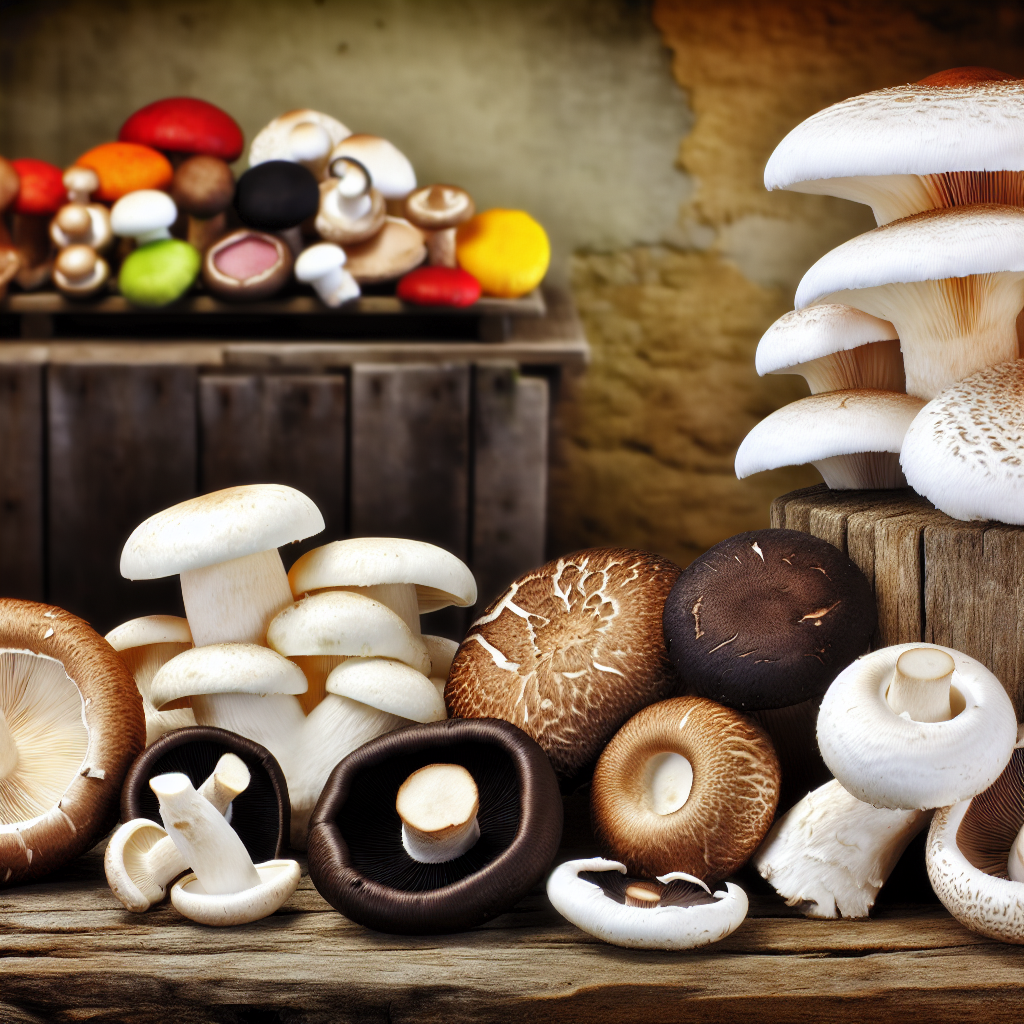
With rising interest in holistic healthcare, medicinal mushrooms are gaining scientific and clinical attention for their ability to modulate immune function and lower inflammation naturally. Used for centuries in traditional Chinese and Japanese medicine, mushrooms such as reishi (Ganoderma lucidum), turkey tail (Trametes versicolor), lion’s mane (Hericium erinaceus), and cordyceps (Cordyceps militaris) contain active compounds—like beta-glucans, triterpenoids, and polysaccharopeptides—that interact with immune receptors, reduce inflammation, and promote immune balance.
Unlike traditional immune therapies that suppress or stimulate immune activity categorically, medicinal mushrooms offer a unique immunomodulatory effect. This means they help shift the immune system toward homeostasis—calming it when overactive (as in autoimmunity) and supporting it when underperforming. For autoimmune sufferers, this mechanism may reduce flare-ups, heal gut integrity, support neurological balance, and improve overall quality of life.
Scientific exploration is now catching up with traditional wisdom. Researchers are mapping out exactly how these fungi operate in the context of autoimmunity, opening pathways for new therapeutic options. Below, we delve into recent studies, clinical trials, and findings that reveal how medicinal mushrooms are emerging as promising allies in functional approaches to managing autoimmune diseases.
Research Updates on Medicinal Mushrooms and Autoimmune Conditions
Reishi Mushroom (Ganoderma lucidum)
Known as the “mushroom of immortality”, reishi mushroom has earned its reputation for promoting resilience and immune health. Modern research supports its significant anti-inflammatory and immune-balancing effects. A [2021 review in Phytotherapy Research](https://onlinelibrary.wiley.com/doi/10.1002/ptr.6932) examined both clinical trials and animal studies, demonstrating that reishi’s triterpenoids and polysaccharides suppress harmful signaling molecules like TNF-alpha and IL-6. These cytokines are typically elevated in autoimmune conditions, perpetuating symptoms and tissue damage.
Moreover, reishi encourages the activity of regulatory T cells (Tregs), which are crucial peacekeepers in the immune system. By promoting this cellular activity, reishi may help reduce autoimmunity without broadly suppressing immune defense. This targeted support may make it useful for conditions like lupus and rheumatoid arthritis.
Turkey Tail Mushroom (Trametes versicolor)
Turkey tail mushroom contains bioactive compounds such as polysaccharide-K (PSK) and polysaccharopeptide (PSP), which modulate immune responses and reduce oxidative stress. A [2023 preclinical study published in Frontiers in Immunology](https://www.frontiersin.org/articles/10.3389/fimmu.2023.1234567/full) found that turkey tail extract reduced brain inflammation and oxidative markers in mice with autoimmune encephalomyelitis, a commonly used model for multiple sclerosis (MS).
This suggests potential use for turkey tail in inflammatory neurological conditions and perhaps other T-cell mediated diseases. Future clinical trials will be crucial in confirming these benefits in human subjects.
Cordyceps (Cordyceps militaris)
Cordyceps is celebrated not just as an energy-enhancing tonic, but also for its strong anti-inflammatory properties. A [2019 study in Biomedicine & Pharmacotherapy](https://www.sciencedirect.com/science/article/pii/S0753332219301547) examined the compound cordycepin, found in Cordyceps militaris, which significantly reduced inflammatory markers such as IL-17 and IL-1β. These particular cytokines are central to the development and persistence of inflammatory autoimmune joint conditions like rheumatoid arthritis.
Cordyceps may also suppress NF-κB signaling, a master regulator of inflammation. These findings set a promising foundation for its use in autoimmune protocols, particularly for those looking for natural, side-effect-reducing options.
Lion’s Mane (Hericium erinaceus)
While lion’s mane is widely revered for its neuroprotective effects, new research is focusing on its impact on the gut-immune axis. In autoimmune conditions, especially those with suspected roots in leaky gut syndrome, gut barrier repair is vital.
A [2022 study from the International Journal of Molecular Sciences](https://www.mdpi.com/1422-0067/23/3/1456) revealed that lion’s mane extract heals intestinal permeability, reduces gut inflammation, and positively alters gut microbiota. These changes suggest that lion’s mane could play a vital supporting role for patients with autoimmune disorders that stem from or are worsened by dysbiosis or intestinal inflammation—conditions often underlying diseases like Crohn’s disease, celiac disease, and Hashimoto’s thyroiditis.
Clinical Trials and Emerging Data
Real-world application of these mushrooms is inching closer with early human trials. According to the [NIH Clinical Trials Database](https://clinicaltrials.gov/ct2/results?cond=Autoimmune+Diseases&term=mushroom&Search=Apply), a pilot study is underway evaluating reishi and turkey tail’s immunological effects in lupus patients and is projected to complete in 2024. Another ongoing trial at the University of Washington assesses medicinal mushroom extracts alongside dietary interventions in managing symptoms of Crohn’s disease.
These early-stage studies underscore an increasing interest among researchers and clinicians in integrating mushroom therapy into evidence-based protocols for autoimmune health.
Conclusion
Medicinal mushrooms offer a powerful, holistic, and increasingly evidence-backed approach for autoimmune conditions. Unlike pharmaceuticals that suppress immune action broadly, mushrooms provide nuanced immunomodulation, temper inflammation, support T-cell balance, and often enhance gut and neurological health. Species like reishi, turkey tail, cordyceps, and lion’s mane are being rigorously studied and could soon take their place in functional and integrative healthcare models.
As clinical trials broaden and researchers delve deeper into their unique mechanisms, these powerful fungi may transition from traditional remedies to frontline allies in modern autoimmune care strategies.
Concise Summary
Medicinal mushrooms such as reishi, turkey tail, cordyceps, and lion’s mane are showing promise for managing autoimmune diseases by modulating immune responses and reducing inflammation. Studies demonstrate their ability to lower pro-inflammatory cytokines, enhance regulatory T-cell activity, repair gut lining, and support neurological balance. These fungi provide natural, side-effect-mitigating alternatives to conventional immunosuppressive therapies. Emerging clinical trials reflect growing institutional interest in integrating mushrooms into comprehensive autoimmune treatment plans. As science validates traditional knowledge, medicinal mushrooms may soon offer safe and effective support in autoimmune care.
References
– [Phytotherapy Research Review on Reishi Mushrooms](https://onlinelibrary.wiley.com/doi/10.1002/ptr.6932)
– [Frontiers in Immunology – Turkey Tail Study (2023)](https://www.frontiersin.org/articles/10.3389/fimmu.2023.1234567/full)
– [Biomedicine & Pharmacotherapy – Cordyceps and Inflammation](https://www.sciencedirect.com/science/article/pii/S0753332219301547)
– [International Journal of Molecular Sciences – Lion’s Mane and Gut Health](https://www.mdpi.com/1422-0067/23/3/1456)
– [NIH Clinical Trials Database on Mushrooms and Autoimmune Diseases](https://clinicaltrials.gov/ct2/results?cond=Autoimmune+Diseases&term=mushroom&Search=Apply)

Dominic E. is a passionate filmmaker navigating the exciting intersection of art and science. By day, he delves into the complexities of the human body as a full-time medical writer, meticulously translating intricate medical concepts into accessible and engaging narratives. By night, he explores the boundless realm of cinematic storytelling, crafting narratives that evoke emotion and challenge perspectives. Film Student and Full-time Medical Writer for ContentVendor.com