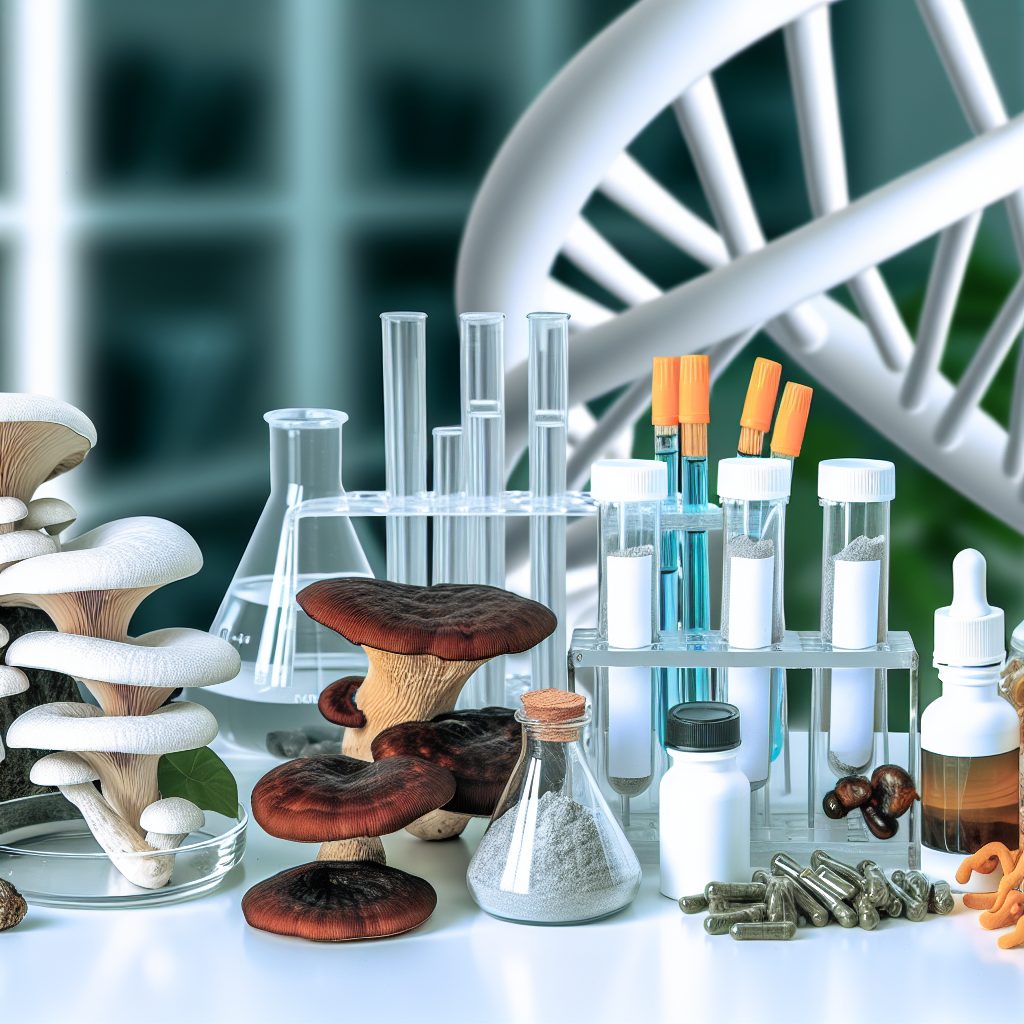
Genomic-Based Personalized Stacking Formulas – Mushrooms and Nootropics
Introduction
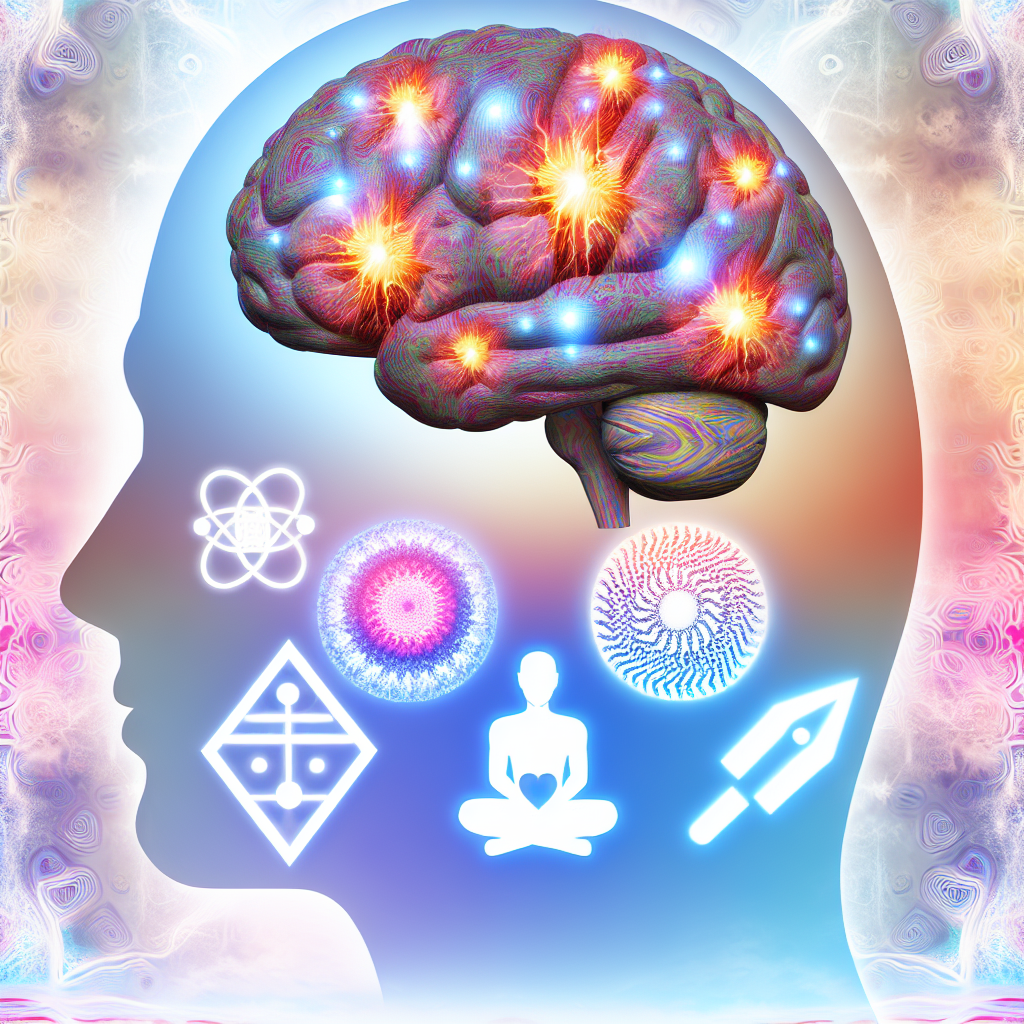
In the rapidly evolving world of medical wellness, a novel trend is gaining serious attention—genomic-based personalized stacking formulas. This pioneering approach fuses time-tested remedies like medicinal mushrooms with the cognitive-boosting power of nootropics, guided by modern genomic science. By analyzing individual DNA, healthcare professionals and self-optimizing biohackers can now tailor supplement blends that align precisely with each person’s genetic coding. This customization promises enhanced efficacy, reduced side effects, and personalized, long-term wellness benefits.
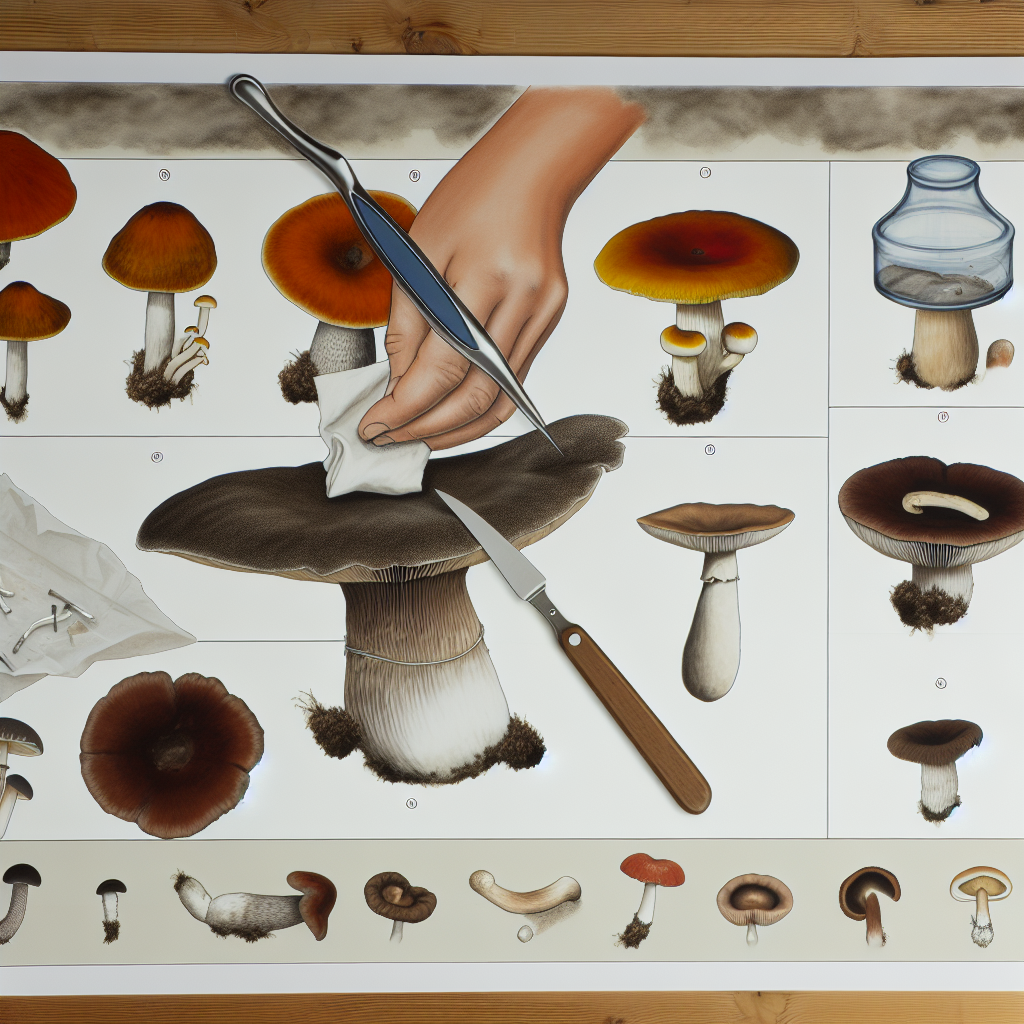
Medicinal mushrooms such as Lion’s Mane (Hericium erinaceus), Reishi (Ganoderma lucidum), Cordyceps (Cordyceps militaris), and Turkey Tail (Trametes versicolor) have long been valued for their health benefits, including support for immune function, cognitive clarity, and resistance to neurological aging. When paired with nootropics—compounds known to enhance memory, focus, and brain energy—they create potent stack formulas that support mental precision and emotional resilience.
Previously, determining the “best” stack relied heavily on trial and error. Today, with the emergence of direct-to-consumer genetic testing platforms like 23andMe and AncestryDNA, coupled with AI-driven analysis tools like SelfDecode and Genomelink, individuals can now reveal their genetic profiles. These data points include gene variants that influence neurotransmitter metabolism, detoxification pathways, nutrient absorption, and inflammatory responses.
For example, someone with a slow-acting COMT enzyme may not metabolize dopamine effectively, leading to overstimulation if stimulant nootropics like caffeine are used; calming mushrooms such as Reishi may therefore be more suitable. Similarly, an individual with genetic variants in the BDNF gene—crucial for neurogenesis—may benefit enhanced cognitive functions from Lion’s Mane, which stimulates nerve growth factor.
This approach is fast becoming a staple in precision medicine. Integrative clinics, hospitals, and functional medicine practitioners are adopting genomic-based strategies, turning ancient remedies into intelligent tools for healing and cognitive enhancement. The intersection of genomic profiling with mycology and neuroscience has created a fusion where genetic keys unlock optimal brain and body performance.
Medical Studies Supporting Genomic Precision and Mushroom-Based Stacks
Empirical evidence supports the effectiveness of personalized supplement regimens built on genomic insights. One key area of focus is the brain-derived neurotrophic factor (BDNF), a critical molecule for brain health, associated with neural regeneration and synaptic plasticity. A well-recognized study published in Neuroscience Letters showed that Lion’s Mane mushroom significantly stimulated Nerve Growth Factor (NGF) production in cultured astrocytes, providing particular benefit for those with BDNF weaknesses that affect cognition or memory.
Variants in methylation genes like MTHFR or COMT can affect neurotransmitter breakdown, often leading to overstimulation or emotional instability when conventional stimulant nootropics are used. A review in Pharmacogenomics examined how those with a COMT polymorphism may struggle with dopamine metabolism and benefit more from calming agents like Reishi or antioxidant-rich alternatives such as Cordyceps.
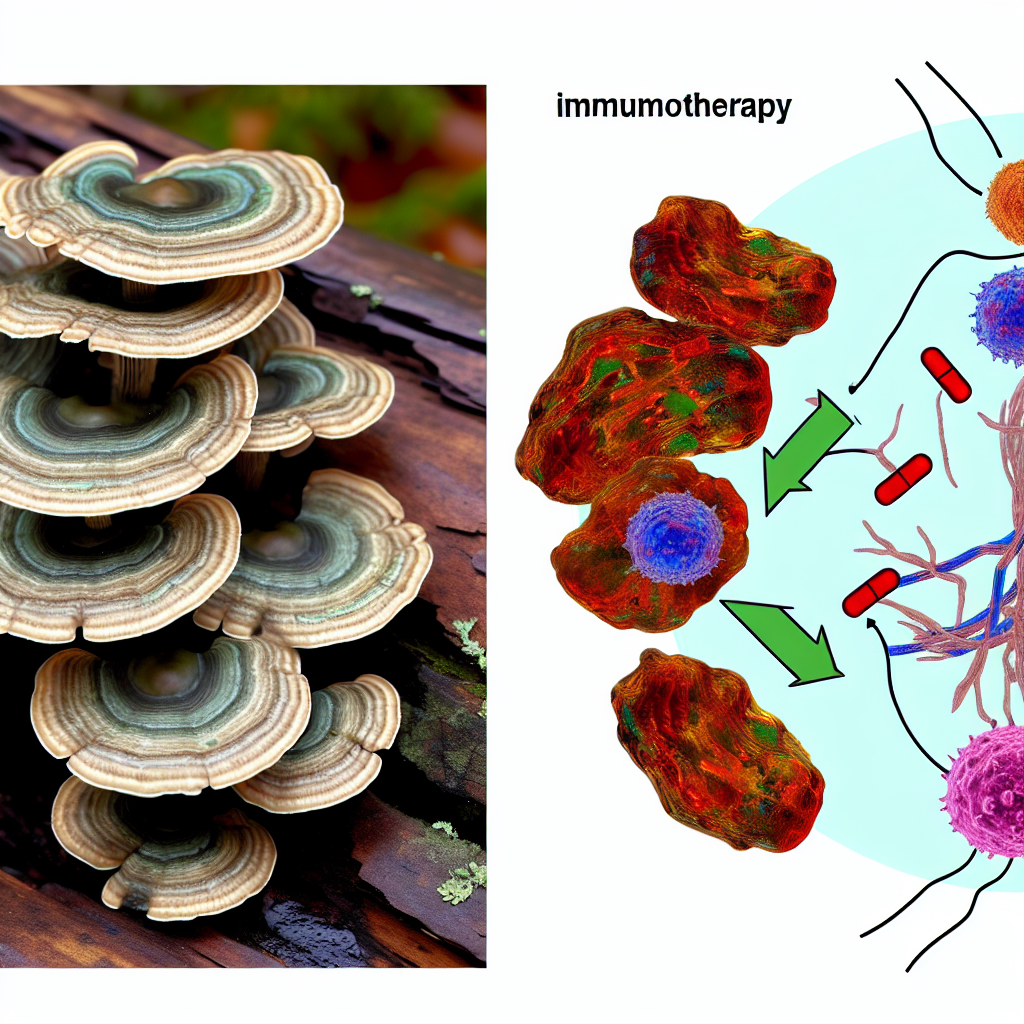
Additionally, Cordyceps militaris has been found to offer neuroprotective and anti-inflammatory benefits, especially helpful for individuals with pro-inflammatory genetic predispositions, such as those with TNF-alpha or IL-6 SNPs. These individuals can also derive benefit from Turkey Tail mushroom, known for its high content of polysaccharopeptides, which enhance immune health and balance gut microbiota—critical elements given the strong relationship between gut and brain health.
In a 2020 clinical trial published in the Journal of Alzheimer’s Disease, an integrative protocol that included Lion’s Mane alongside standard interventions resulted in notable improvement in cognitive functions, particularly focus and short-term memory. The implementation of genetic insights in identifying BDNF response predictors could further improve these outcomes.
Today, pharmacogenomic testing is finding its place in clinical environments. A 2021 review in Frontiers in Genetics explored how such testing aids functional medicine experts in choosing appropriate natural compounds, including adaptogenic fungi, by minimizing risk and enhancing effectiveness.
Importantly, genes related to liver detoxification (like the CYP450 family) or histamine intolerance can influence the body’s ability to handle certain herbs or synthetic nootropics. Genomic matching helps in adjusting dosages, removing trigger substances, and ultimately designing a formula with the highest possible benefit to the user. Thus, genetically tailored mushroom-nootropic stacks result in greater compliance and fewer adverse reactions—a win for practitioners and patients alike.
Conclusion
The fusion of genomic science and ancient botanical wisdom is revolutionizing the way we approach health optimization. With DNA-powered insights, individuals can access tailor-made stacks of mushrooms and nootropics customized for their biological needs. For people experiencing brain fog, burnout, or emotional fluctuations, this precision-based supplementation offers real outcomes—increased clarity, enhanced energy, and long-range resilience. At ShroomFan, we see this as the logical evolution of cognitive wellness—where the future of brain health lies not in more supplements, but in the right ones for your unique genetic code.
Concise Summary
Genomic-based personalized stacking blends adaptogenic mushrooms with cognitive nootropics for customized health optimization. Combining genomic testing and DNA interpretation, healthcare professionals can now match individuals with supplements tailored to their genes. Key mushrooms like Lion’s Mane, Reishi, and Cordyceps support memory, mood, and immune function, with enhanced outcomes when personalized to BDNF, COMT, or inflammatory gene profiles. With supporting research and growing clinical adoption, these formulas represent the future of functional medicine—offering increased efficacy and reduced side effects for those seeking cognitive clarity and emotional balance.
References
1. Mori, K., et al. (2008). Effects of Hericium erinaceus on nerve growth factor (NGF) synthesis. Neuroscience Letters. Available at: https://pubmed.ncbi.nlm.nih.gov/18844328/
2. Diamond, A. (2007). Variation in genes that affect dopamine in prefrontal cortex. Pharmacogenomics. Available at: https://pubmed.ncbi.nlm.nih.gov/15952967/
3. Lee, I., et al. (2019). Neuroprotective Effects of Cordyceps militaris in Murine Neural Cells. Journal of Ethnopharmacology. Available at: https://pubmed.ncbi.nlm.nih.gov/30951713/
4. Mori, K., et al. (2020). Yamabushitake mushroom effects on cognitive impairment: A clinical trial. Journal of Alzheimer’s Disease. Available at: https://content.iospress.com/articles/journal-of-alzheimers-disease/jad191140
5. Roberts, R., & Williams, M. (2021). The Role of Pharmacogenomics in Healthcare. Frontiers in Genetics. Available at: https://www.frontiersin.org/articles/10.3389/fgene.2021.642454/full

Dominic E. is a passionate filmmaker navigating the exciting intersection of art and science. By day, he delves into the complexities of the human body as a full-time medical writer, meticulously translating intricate medical concepts into accessible and engaging narratives. By night, he explores the boundless realm of cinematic storytelling, crafting narratives that evoke emotion and challenge perspectives. Film Student and Full-time Medical Writer for ContentVendor.com