Digital Tools for Integration: Apps, VR, and Biofeedback for Sustained Benefits
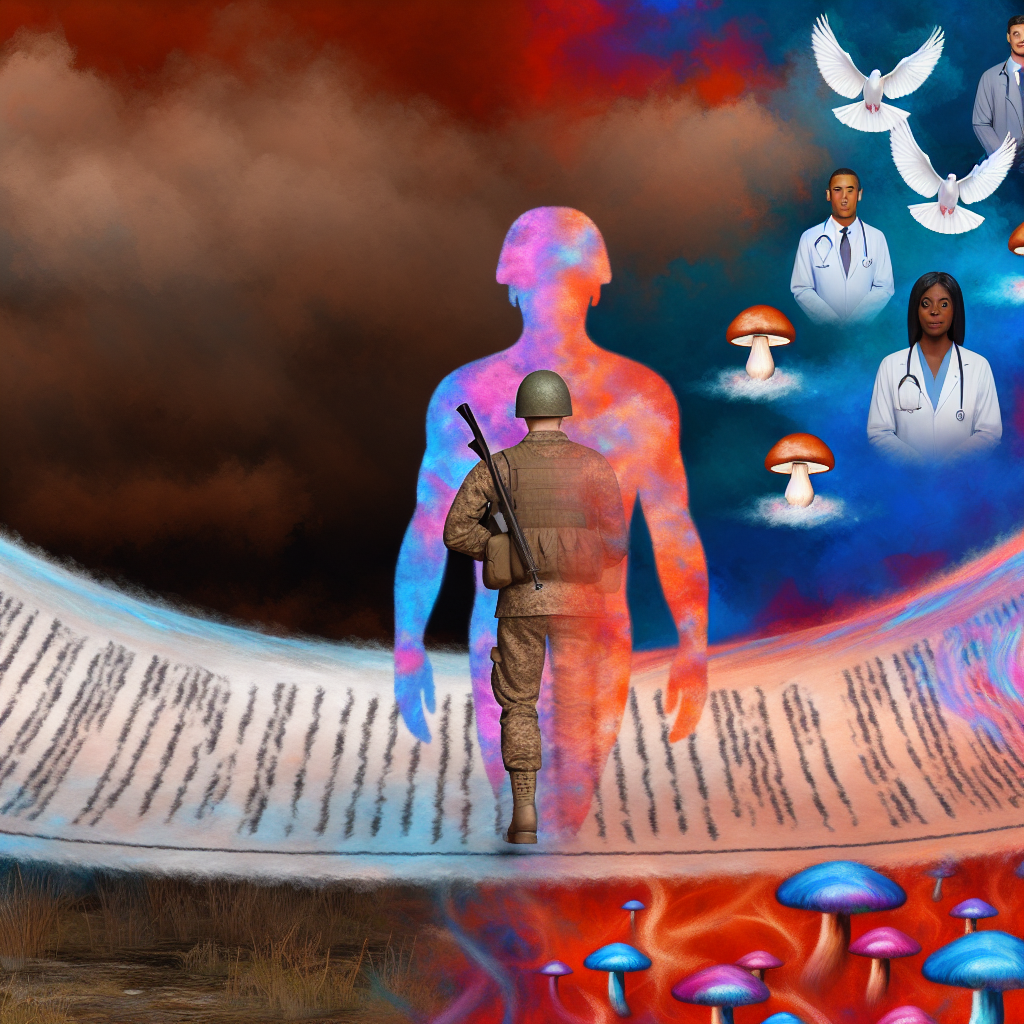
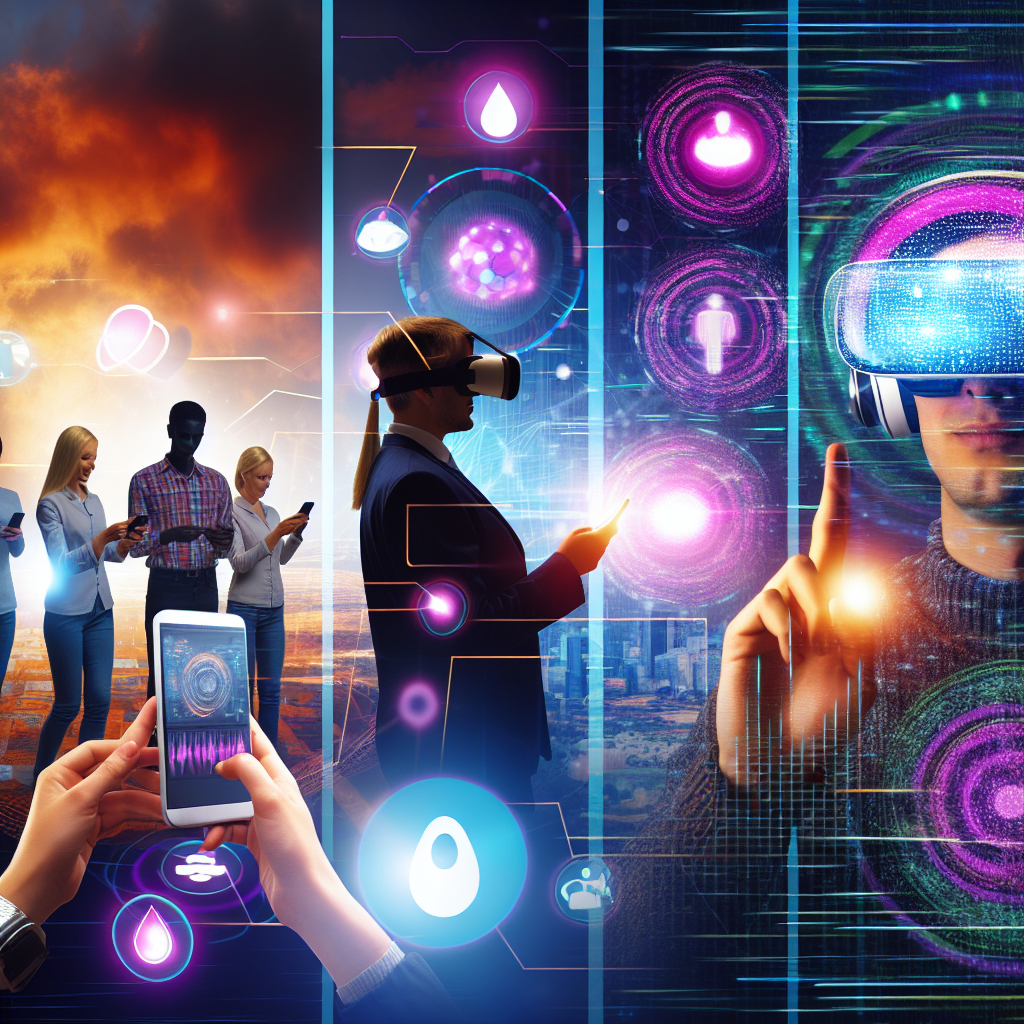
The realm of **mental health** and wellness is undergoing a technological renaissance, with **digital tools** emerging as powerful allies in personal health management and therapy. As the stigma around mental health diminishes, people are increasingly seeking out alternative therapies, with **medical mushrooms** like **psilocybin** capturing attention for their potential mental health benefits. The integration journey doesn’t end in the therapist’s office or once the medicinal effects of psilocybin fade; it’s a continuing process that can require additional support. Digital tools such as **mobile apps**, **virtual reality (VR)**, and **biofeedback devices** are stepping into this role, aiding users in enhancing and extending the benefits they receive from these alternative treatments.
Mobile Applications
**Mobile applications** have revolutionized how users track their mental and physical health. From **mood-tracking apps** that allow individuals to chart their emotional states to **meditation apps** offering guided mindfulness practices, there’s a digital solution for almost every need. Apps like **Mindleap** and **Field Trip Health** cater specifically to those engaging in **psychedelic therapy**, guiding users through preparation, experience, and integration phases with the assistance of trained facilitators. These platforms often incorporate **journaling tools**, **expert content**, and **community support**, cultivating a space where users can process their experiences and emotions in a structured way, thus making it easier to sustain the benefits achieved during psilocybin sessions.
Virtual Reality (VR)
**Virtual Reality (VR)** is yet another promising technology in this landscape, offering immersive environments that can facilitate **therapeutic breakthroughs** and emotional processing. VR technology is increasingly being used to recreate the meditative states achieved during psilocybin treatments, offering experiences that can promote relaxation, self-reflection, and emotional healing. Companies like **Tripp** have been pioneering efforts in this regard, developing VR experiences designed to induce altered states of consciousness akin to those experienced during psychedelic sessions, but without the fear of a “bad trip.”
Biofeedback Devices
**Biofeedback devices** provide a third layer of integration support by empowering users to gain **real-time insights** into their physiological states. By providing feedback based on heart rate variability, skin temperature, and other **biological markers**, these devices help individuals practice and enhance self-regulation techniques like deep breathing and mindfulness. The **Muse** headband, for example, uses **EEG sensors** to monitor brain activity during meditation, guiding users towards calmer states. These insights allow users to recognize patterns in their body’s response to stress, ultimately enhancing the staying power of therapeutic benefits.
Features
Scientific research is continually evolving to support the integration of digital tools and psychedelic therapy. One study published in *Frontiers in Psychology* highlights the use of mobile applications in behavioral and emotional therapy, showing promising results in facilitating behavior change and enhancing psychological well-being when combined with traditional treatments. Apps with interactive and personalized content can simulate some counselor-like interactions, which are particularly helpful in maintaining the effectiveness of psychedelic therapy over time. This speaks volumes about the synergy between technological tools and traditional therapeutic practices. [Read more about the study here](https://www.frontiersin.org/articles/10.3389/fpsyg.2018.00919/full).
**Virtual reality’s** immersive cognitive therapy has been studied in various contexts, demonstrating its potential to reproduce the psychological and emotional benefits seen in **psychedelic therapy**. Research in the *Journal of Medical Internet Research* suggests that VR experiences can create meaningful emotional and cognitive transformations by allowing users to engage in alternate realities safely and controlled settings. This kind of exposure can be particularly beneficial for those undergoing **psilocybin therapy** by reinforcing the feelings of connectedness and empathy often reported during these sessions. [Explore the findings in the journal here](https://www.jmir.org/2020/6/e15018/).
**Biofeedback tools** have been validated by numerous studies, such as the one published in the *Journal of Psychosomatic Research*, which examines how these devices can promote self-awareness and emotional regulation. The insights provided by biofeedback support long-term mental health improvements, offering personalized, data-driven insights that can result in sustained therapeutic benefits. For patients integrating psychedelic therapy, understanding physiological reactions can be instrumental in mastering practices that encourage peace and introspection. [Check the detailed research here](https://www.jpsychores.com/article/S0022-3999(98)00065-2/fulltext).
Conclusion
In conclusion, as the acceptance of **psychedelic therapies** grows, so does the need for **innovative tools** to support and sustain these pathways to healing. Digital tools like **apps**, **VR**, and **biofeedback** create a multilayered support system that makes the benefits of psilocybin therapy more accessible and enduring. By integrating these technologies into their mental wellness journeys, users can not only amplify the positive results of their treatments but also ensure they are well-equipped to maintain emotional and psychological resilience. As research and development continue to thrive in this domain, we can anticipate even more groundbreaking solutions in the near future.
Stay updated on the latest in **psilocybin research** and **digital integration technologies** to enhance your therapeutic journey.
**Concise Summary**: The integration of digital tools like mobile apps, VR, and biofeedback with psychedelic therapies offers substantial support, extending the benefits of treatments like psilocybin therapy. These technologies empower users by guiding emotional processing, inducing therapeutic states, and providing physiological insights, all contributing to sustained mental health improvements. As acceptance of psychedelic treatments expands, these tools become essential allies in creating enduring therapeutic successes.

Dominic E. is a passionate filmmaker navigating the exciting intersection of art and science. By day, he delves into the complexities of the human body as a full-time medical writer, meticulously translating intricate medical concepts into accessible and engaging narratives. By night, he explores the boundless realm of cinematic storytelling, crafting narratives that evoke emotion and challenge perspectives. Film Student and Full-time Medical Writer for ContentVendor.com