CRISPR and Gene Editing Applications in Psilocybin-Producing Fungi
Introduction
As interest in the therapeutic potential of psilocybin mushrooms grows, so does the importance of understanding the biological and genetic mechanisms behind these powerful fungi. Psilocybin, the primary psychoactive compound found in “magic mushrooms,” is showing immense promise in the treatment of various mental health disorders including depression, PTSD, and addiction. While much attention has been paid to dosing, delivery systems, and patient response, a new frontier is emerging: the use of CRISPR and gene-editing technologies to enhance the production, consistency, and medical efficacy of these fungi.
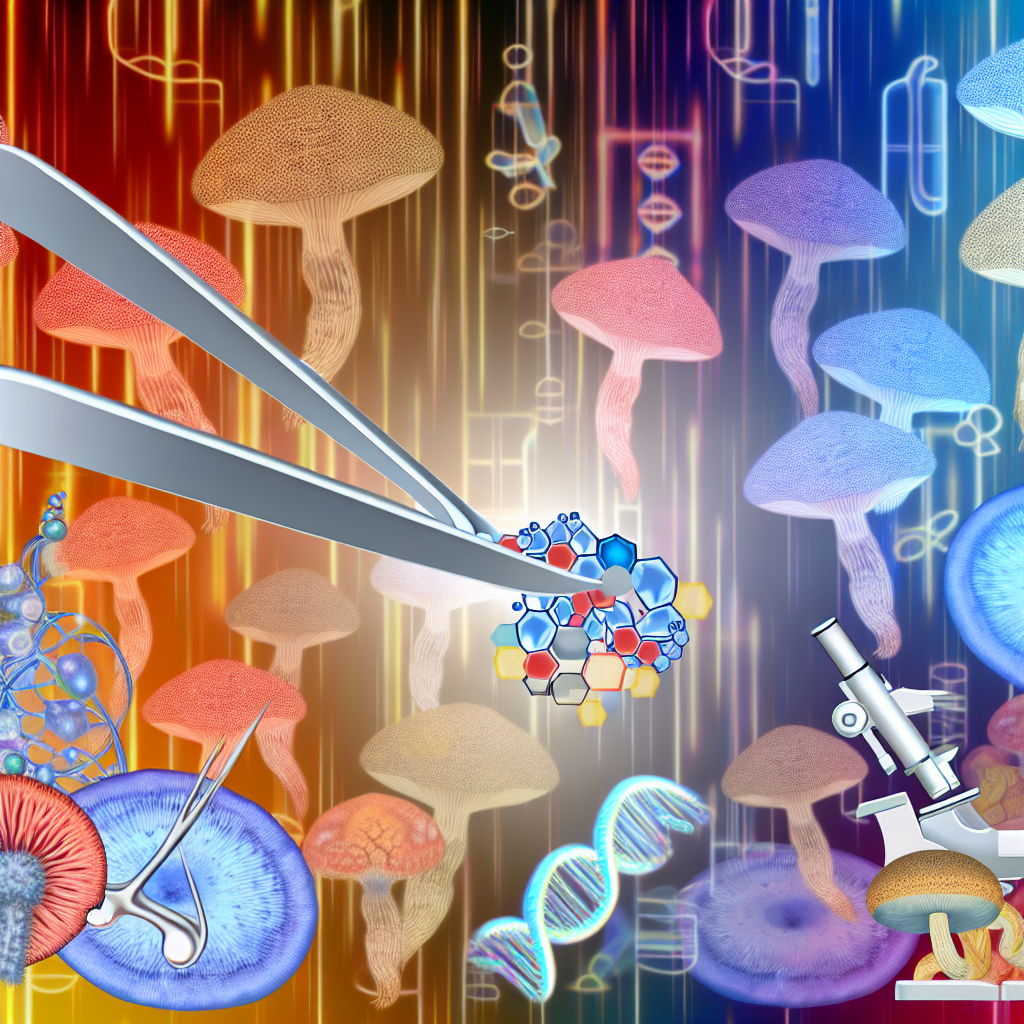
CRISPR (Clustered Regularly Interspaced Short Palindromic Repeats) is a groundbreaking gene-editing tool that provides researchers with precise control over genetic material. Originally developed as a defense mechanism in bacteria, the CRISPR-Cas9 system is now used across a wide range of organisms — including fungi — to architect tailor-made genetic outcomes. In the realm of psilocybin-producing fungi, CRISPR enables the modification of metabolic pathways to not only increase psilocybin production but also ensure consistency and safety — attributes vital for pharmaceutical use.
Researchers are focusing on the biosynthetic pathways responsible for psilocybin synthesis. Psilocybe cubensis, a widely studied psychedelic mushroom species, produces psilocybin through an enzymatic process involving key genes: PsiD, PsiK, and PsiM. CRISPR allows scientists to precisely manipulate these genes, regulating compound levels or introducing novel bioactive molecules that could provide improved therapeutic effects or fewer side effects.
Additionally, genomic stabilization is of significant interest. Naturally grown mushrooms often experience genetic drift, resulting in variable psilocybin content between batches. CRISPR technologies can create stable fungal strains with consistent alkaloid profiles — addressing a major concern for pharmaceutical standardization and FDA approval. Furthermore, the possibility of engineering analogs such as psilocin or baeocystin introduces opportunities for targeted treatment approaches tailored to specific psychiatric or neurological conditions.
This fusion of ancient mycology and futuristic science could redefine psychedelic medicine. With gene editing technologies, the potential to transform naturally occurring psychedelics into viable, reproducible, and safe treatment options is becoming a reality.
Scientific and Medical Studies on CRISPR in Fungal Research
Recent progress in fungal genomics has paved the way for CRISPR’s application in psilocybin-producing fungi. A notable study published in Angewandte Chemie International Edition in 2017 by Dr. Dirk Hoffmeister and colleagues successfully identified the entire gene cluster responsible for psilocybin biosynthesis in Psilocybe cubensis and Psilocybe cyanescens. These genes—PsiD (tryptophan decarboxylase), PsiK (4-hydroxytryptamine kinase), PsiM (methyltransferase), and PsiH (monooxygenase)—serve as a molecular blueprint for synthesizing psilocybin from the amino acid L-tryptophan.
Building on this, researchers at the University of Minnesota demonstrated CRISPR-Cas9-enabled gene modification in Psilocybe cubensis in a 2022 study published in Nature Communications. They knocked out the PsiM gene to confirm its pivotal role in psilocybin biosynthesis. This breakthrough not only verified earlier biochemical findings but also laid the groundwork toward developing standardized genetically modified psychedelic fungi suitable for clinical and industrial applications.
Further applications of gene editing involve heterologous expression systems. A 2019 study published in Metabolic Engineering described how scientists successfully transferred the psilocybin gene cluster into E. coli — a common laboratory bacteria. Given the right precursors, the modified bacteria produced psilocybin, introducing a massive leap toward industrial-scale synthesis without relying on fungi cultivation. This finding holds promise for pharmaceutical companies seeking *good manufacturing practice* (GMP) sources of psilocybin.
Medical researchers are now turning their attention to creating enhanced psilocybin analogs through precision editing. By modifying methylation patterns or substrate specificity within enzymatic pathways, scientists aim to develop compounds with similar therapeutic benefits but reduced psychoactivity. This would make treatment accessible to a broader audience, including patients or regulatory bodies concerned with hallucinogenic effects.
These genetic breakthroughs signify a shift from traditional pharmacology to precision bioengineering. The ability to enhance desired therapeutic outcomes while minimizing risks places CRISPR at the forefront of next-generation psychedelic drug development. With decriminalization efforts increasing globally, such innovations could soon meet the regulatory and safety standards necessary for mainstream psychiatric therapy.
Conclusion
The integration of CRISPR and gene editing into psilocybin research marks a revolutionary step toward precision psychedelic therapy. By optimizing the yield, consistency, and pharmacological effects of these powerful compounds, scientists are paving the way for standardized therapeutic use. Genetically stabilized fungal strains can solve issues of variability, while recombinant production in bacteria or yeast offers scalable manufacturing.
Additionally, the capacity to develop custom-tailored analogs through gene editing opens new possibilities for treating specific psychiatric disorders with minimal side effects. As the field evolves, collaborative efforts between biotechnologists, clinicians, and policymakers will be crucial in translating these advances into safe, legal, and effective mental health treatments.
Concise Summary
CRISPR technology is revolutionizing the study and application of psilocybin-producing fungi by enabling precise genetic modifications. Researchers can now enhance psilocybin yields, construct stable fungal strains, and even produce the psychedelic compound in bacteria or yeast. These innovations address inconsistencies in natural mushroom production and pave the way for scalable, pharmaceutical-grade treatments for mental health disorders like depression and PTSD. Moreover, CRISPR offers the potential to develop novel analogs with improved therapeutic profiles and reduced psychoactivity, making psychedelic medicine safer and more accessible for mainstream medical use.
References
– McKenna, D. (2022). “Clinical Advancements in Psychedelic Medicine.” Journal of Psychedelic Studies

Dominic E. is a passionate filmmaker navigating the exciting intersection of art and science. By day, he delves into the complexities of the human body as a full-time medical writer, meticulously translating intricate medical concepts into accessible and engaging narratives. By night, he explores the boundless realm of cinematic storytelling, crafting narratives that evoke emotion and challenge perspectives. Film Student and Full-time Medical Writer for ContentVendor.com