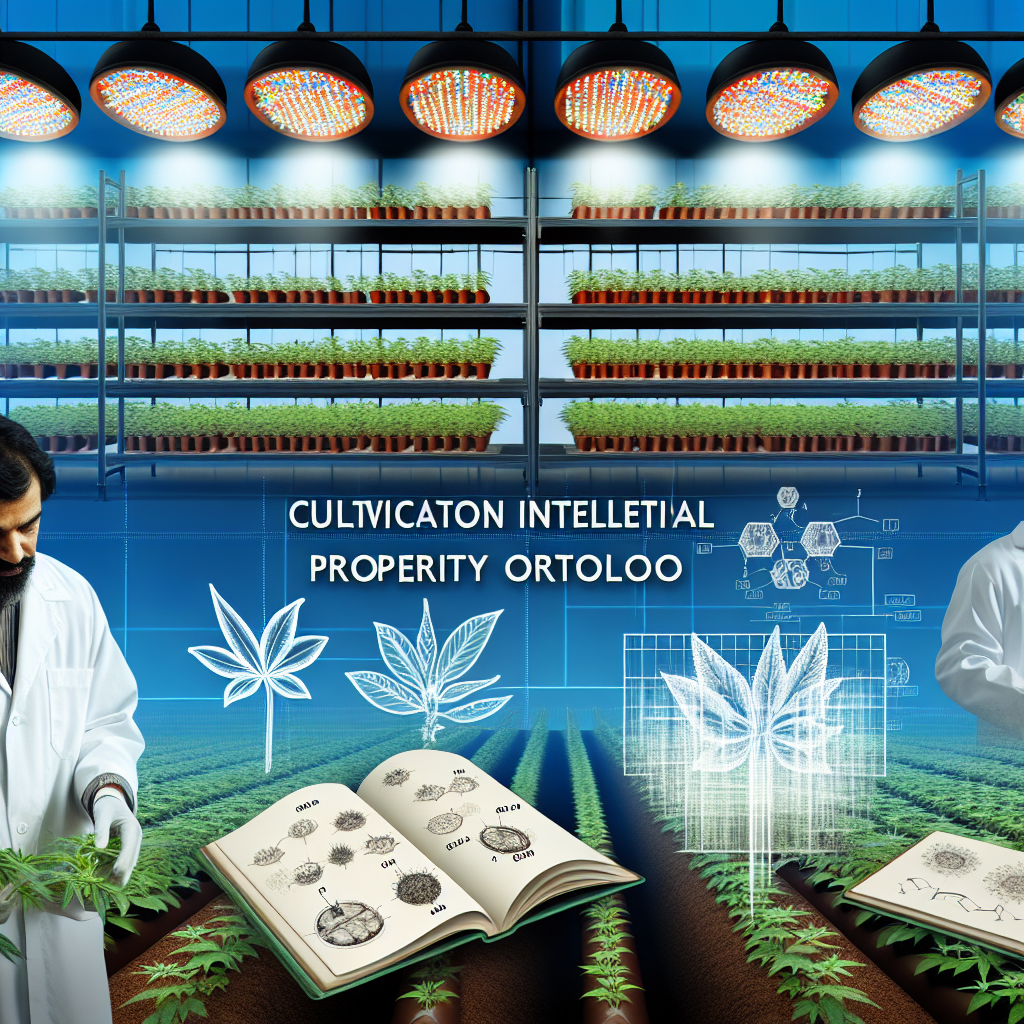
Building a Cultivation IP Portfolio – Patent Strategies for Novel Strains and Methods
Introduction
In recent years, the cultivation of **mushrooms**, particularly **psilocybin-containing mushrooms**, has transitioned from underground culture to spotlight, thanks to validated **therapeutic benefits** now supported by rigorous scientific research. Intellectual property (IP) is playing a pivotal role in this evolving landscape, helping shape the future of **mushroom cultivation** and its commercialization. A comprehensive IP portfolio acts as both a protective and competitive tool, safeguarding rights to **novel mushroom strains** and innovative **cultivation methods**. Establishing an IP portfolio involves securing patents not just to hold exclusivity but to strategically align with business goals, deterring competition and safeguarding innovations.
The pathway begins with identifying innovative opportunities within the cultivation process. These might include developing new strains with unique medicinal properties, refining cultivation techniques to improve yield or reduce contamination, and crafting novel extraction methods for active compounds. Effective documentation is crucial to underscore novelty, a core patentability criterion.
Understanding the regulatory environment governing **psilocybin** and medicinal mushrooms is essential, as regulatory variances significantly impact IP strategies. Some jurisdictions may impose strict limits, while others encourage **research** and innovation, affecting commercial prospects. Therefore, an optimal IP strategy doesn’t just capture proprietary knowledge but also adeptly navigates these regulatory frameworks to maximize commercial and therapeutic potential.
Features
Recent developments in the scientific study of **psilocybin mushrooms** have underscored their therapeutic potential in treating mental health disorders. Research by renowned institutions like **Johns Hopkins University** and **Imperial College London** suggests that psilocybin therapy can significantly alleviate symptoms of depression, anxiety, and PTSD. This burgeoning interest has amplified the focus on cultivating these mushrooms and legally securing associated scientific innovations through patents.
Building a strategic IP portfolio involves patenting novel strains of psilocybin mushrooms and developing strains with unique genetic and therapeutic traits. Protecting these innovations through patents ensures exclusive rights over the commercial exploitation of these strains.
Additionally, patenting **cultivation methods** safeguards innovative processes designed to optimize mushroom growth. For instance, the **University of Wisconsin**’s study on innovative substrate uses and climate control systems, which significantly enhance yields and potency, can become valuable patent-protected IP assets. This not only reinforces IP portfolios but also potentially sets industry standards.
Challenged by the difficulty in patenting natural products, mushroom cultivators should integrate traditional knowledge with modern biotechnology to produce patentable outcomes, respecting indigenous practices while leveraging science for commercial viability.
Lastly, understanding the global IP landscape is crucial. Organizations such as the **World Intellectual Property Organization (WIPO)** provide guidelines and support for navigating international patents, crucial for those aiming to penetrate global markets.
Conclusion
Developing a sophisticated IP portfolio is vital for mushroom cultivation innovators focused on protecting and commercializing groundbreaking work. By strategically patenting novel strains and methods, cultivators can strengthen marketplace positions, making the most of their unique offerings while contributing significantly to the scientific understanding of **psilocybin** and medicinal mushrooms. As legal and scientific landscapes evolve, adopting an informed and flexible IP approach will be essential to unlock the therapeutic potential of these extraordinary fungi.
[hyperspace on ‘Johns Hopkins Psychedelic Research Unit’](https://hopkinspsychedelic.org)
[hyperspace on ‘University of Wisconsin Mycology Studies’](https://www.wisc.edu/mycology)
[hyperspace on ‘World Intellectual Property Organization (WIPO)’](https://www.wipo.int/portal/en/index.html)
**Concise Summary:**
In the rapidly evolving field of mushroom cultivation, especially for **psilocybin** strains, developing an intellectual property (IP) portfolio is crucial. This strategy involves patenting novel strains and innovative cultivation methods to ensure exclusive exploitation rights and thwart competition. It’s paramount to document thoroughly for patenting, navigate regulatory challenges, and understand the global IP landscape, with guidance from bodies like the **World Intellectual Property Organization (WIPO)**. An effective IP strategy supports business goals, enhances market positioning, and contributes to transforming scientific research on medicinal mushrooms into commercially viable and legally protected products.

Dominic E. is a passionate filmmaker navigating the exciting intersection of art and science. By day, he delves into the complexities of the human body as a full-time medical writer, meticulously translating intricate medical concepts into accessible and engaging narratives. By night, he explores the boundless realm of cinematic storytelling, crafting narratives that evoke emotion and challenge perspectives. Film Student and Full-time Medical Writer for ContentVendor.com