The Role of the Claustrum in Psilocybin-Induced Consciousness Alteration
**Psilocybin**, the primary psychoactive compound found in certain species of mushrooms, has long captivated human curiosity due to its profound effects on **consciousness**. Recent scientific endeavors are shedding light on how this enigmatic molecule influences our brains, and a current focal point of this exploration is the **claustrum**—a thin, irregular sheet of neurons nestled between the inner layers of the neocortex and the striatum. This elusive structure has historically been associated with the orchestration of **sensory perceptions** and the integration of cognitive processes, earning it the poetic moniker of the “seat of consciousness.”
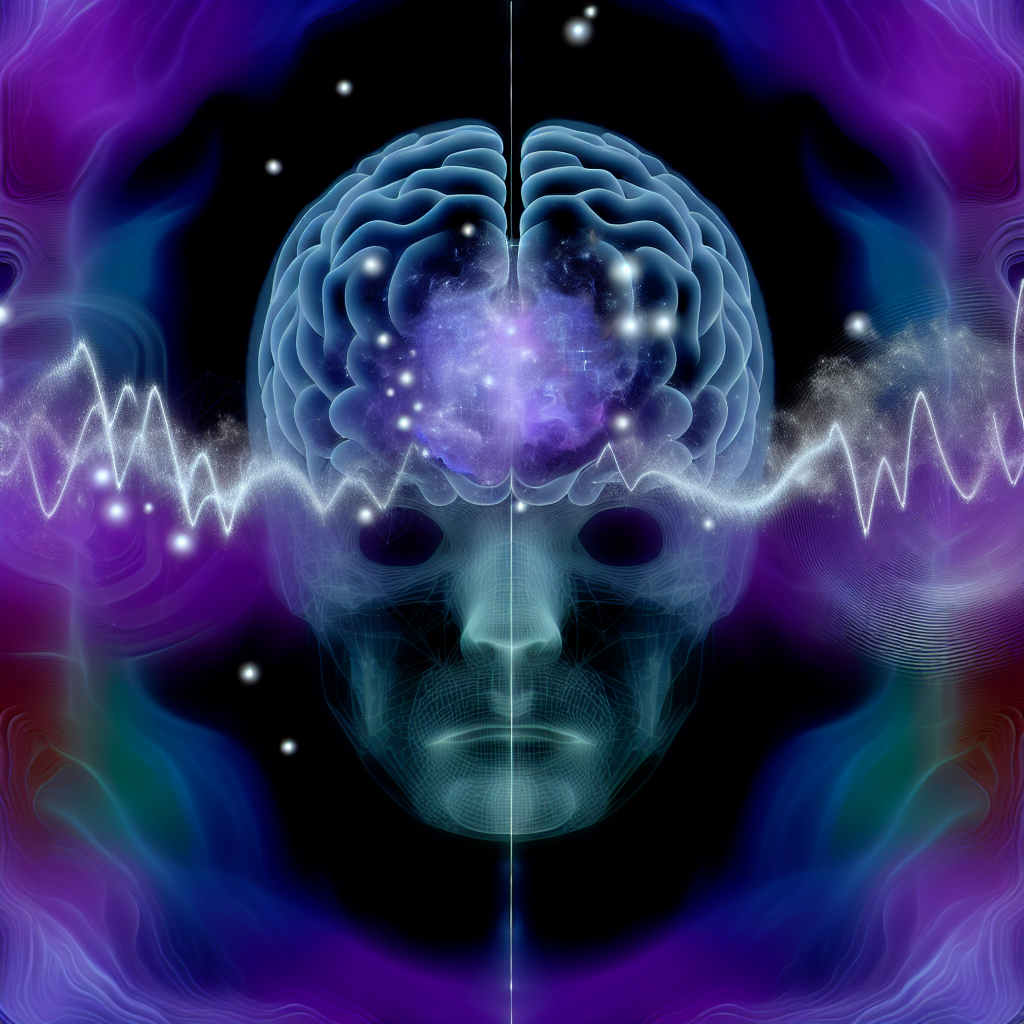
As our understanding of **neurobiology** increases, so does our insight into how psilocybin might interact with brain structures to alter perception and consciousness. One hypothesis is that the claustrum acts as a gateway, modulating signals between different regions of the brain. Psilocybin’s affinity for **serotonin receptors**, particularly the 5-HT2A receptors prevalent in the claustrum, suggests a mechanistic pathway through which it could influence consciousness. This interaction might disable the usual gatekeeping functions of the claustrum, leading to the unbounded, synesthetic experiences frequently reported in psilocybin users.
Emerging research into the role of the claustrum during psilocybin experiences is not only at the forefront of our quest to understand consciousness but also holds promise for alternative treatments for psychological and neurological conditions. The therapeutic potential of psilocybin includes addressing **treatment-resistant depression**, anxiety, and PTSD. The claustrum’s significant involvement in the coordination of information across the brain positions it as a potential mediator in these treatments, possibly facilitating beneficial **neural rewiring** through its disruption and subsequent reintegration during psilocybin sessions.
Understanding the claustrum’s function in psilocybin-induced consciousness alteration does not just provide a deeper insight into the mystical experiences reported during psilocybin use but also points to a fifty-thousand-foot view of how our brains construct reality. This gateway’s possible disengagement under the influence of psilocybin offers a glimpse into the uncharted territories of our mental landscapes, thus standing at the cutting edge of both neuroscience and psychedelic therapy.
Features
Several professional and medical studies have started to map the topography of this fascinating intersection between **psilocybin** and the brain’s **claustrum**. A pivotal study published in [Scientific Reports in 2020](https://www.nature.com/articles/s41598-020-64641-3) utilized functional MRI (fMRI) to investigate psilocybin’s effects on the claustrum. The researchers found altered connectivity between the claustrum and the **default mode network (DMN)**, a brain region associated with self-referential thinking and the ego. This disintegration correlates with the **ego dissolution** often described during psilocybin experiences, supporting the theory that deactivation or altered activity in the claustrum could be a central element in these profound shifts in consciousness.
Moreover, a study conducted by the [University of Maryland](https://www.pnas.org/doi/full/10.1073/pnas.1920537117) pointed out the claustrum’s extensive connectivity with various **sensory regions** of the brain. By affecting the claustrum’s operations, psilocybin may modify how sensory inputs are combined and perceived, leading to the vivid hallucinations and synesthetic experiences users frequently report.
Clinical interest in this phenomenon goes beyond mere curiosity; it has spearheaded investigations into how these altered states can be therapeutically leveraged. Psilocybin’s potential to disrupt negative patterns in neural activity and facilitate emotional and psychological breakthroughs has stimulated trials examining its effectiveness in treating conditions like **addiction**, **depression**, **anxiety**, and **PTSD**. In a trial published in [JAMA Psychiatry](https://jamanetwork.com/journals/jamapsychiatry/fullarticle/2764538), psilocybin-assisted therapy showed significant reductions in depressive symptoms, with long-lasting effects—supporting a potential claustrum-centric mechanism by modulating consciousness and neural connectivity.
These studies and trials mark only the beginning of what will likely be a fruitful exploration of psilocybin’s potential and the central role the claustrum might play in unlocking new frontiers for treating mental health disorders.
Conclusion
The promising research into the role of the **claustrum** in **psilocybin**-induced consciousness alteration is opening new vistas in both understanding consciousness and treating mental health disorders. As scientists unravel the intricacies of brain functions influenced by psychedelic compounds, the potential for breakthrough treatments expands. The claustrum’s interaction with psilocybin illuminates the complex architecture of human consciousness and holds immense promise for contributing to our knowledge of the human mind and the development of novel, transformative therapies.
Summary
This exploration into the claustrum’s role in psilocybin-induced consciousness alteration presents a dual opportunity for understanding and therapeutic innovation. Psilocybin interacts with serotonin receptors in the claustrum to alter signal pathways, potentially unlocking unbounded experiences. This mechanism offers a promising frontier for addressing depression, anxiety, and PTSD by facilitating neural rewiring. Emerging studies link the claustrum to ego dissolution and support the notion of its significant role in consciousness modulation. This ongoing research is pivotal in advancing psychedelic therapy and enhancing our comprehension of consciousness-related brain functions.

Dominic E. is a passionate filmmaker navigating the exciting intersection of art and science. By day, he delves into the complexities of the human body as a full-time medical writer, meticulously translating intricate medical concepts into accessible and engaging narratives. By night, he explores the boundless realm of cinematic storytelling, crafting narratives that evoke emotion and challenge perspectives. Film Student and Full-time Medical Writer for ContentVendor.com