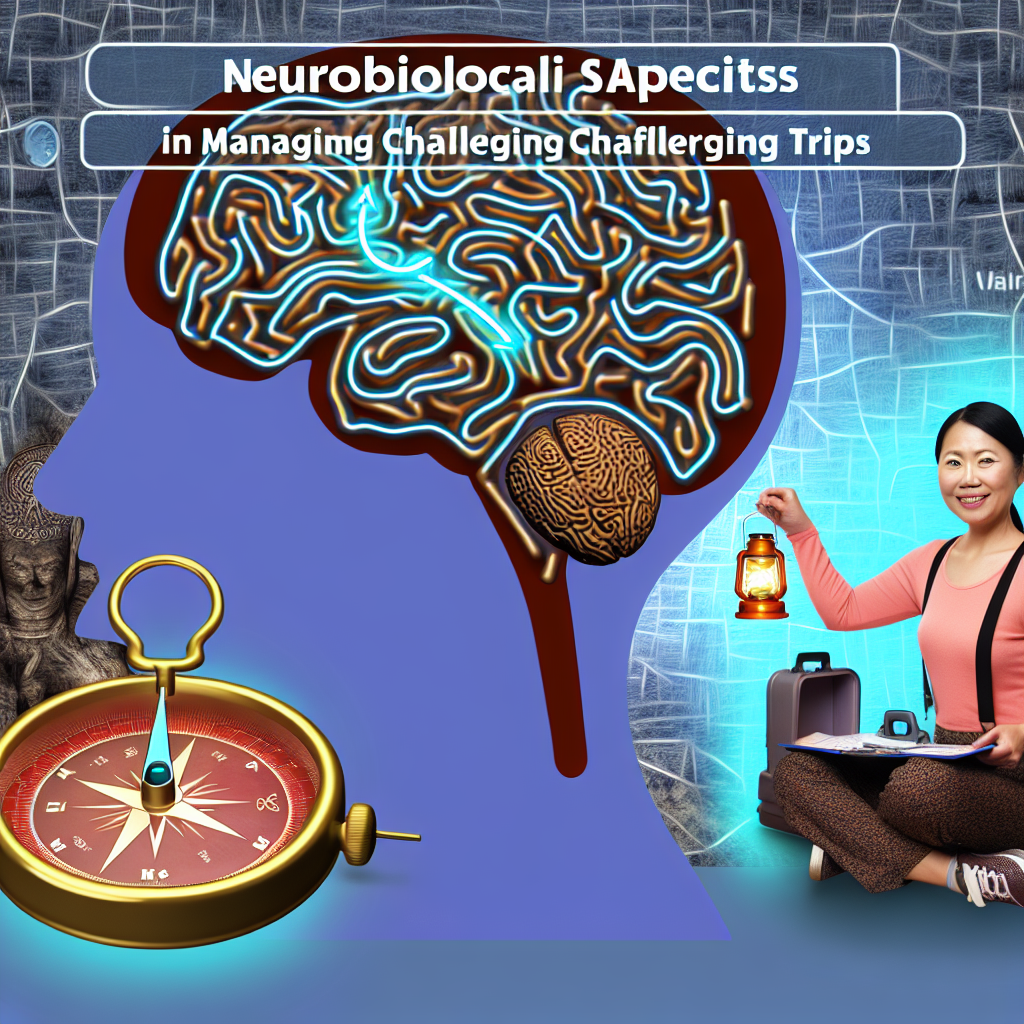
Managing Challenging Trips – A Neurobiological and Sitter Intervention Guide
Introduction
As psilocybin-assisted therapy gains ground in both clinical research and alternative medicine, one element of the psychedelic experience demands more focused understanding: managing the so-called “challenging trips.” Commonly known as “bad trips,” these intense episodes can involve feelings of anxiety, disorientation, paranoia, or emotional overwhelm. Though rarely physically harmful, if they’re misunderstood or poorly managed, they may leave lasting psychological echoes.
Such experiences often originate when users lose their sense of control, undergo ego dissolution, or face vivid emotions and memories that surface under the influence of psilocybin. This is neurobiologically linked to disruptions in the brain’s default mode network (DMN), which plays a primary role in maintaining self-referential identity and internal coherence. High doses of psilocybin effectively “dismantle” this network, leading to a profound sense of boundary loss or ego death.
Though this disintegration of the self can lead to enormous therapeutic breakthroughs, it can also be experienced as terrifying when ill-prepared. Difficult trips therefore do not equate to failed ones. In fact, emerging research reveals that when integrated appropriately post-session, these difficult moments often lead to some of the most meaningful outcomes in psychedelic healing.
In these moments, support is paramount. Whether in professionally guided sessions or recreational environments, a trained trip sitter plays an integral part. Their role includes providing emotional grounding, preventing harm, and helping the participant engage rather than resist what arises during the session. Post-experience integration, often facilitated by therapists or guides, further amplifies the event’s potential for guidance and healing.
This guide will explore the neuroscience behind these difficult experiences and provide evidence-based intervention strategies. Whether you’re a mental health professional, psychedelic guide, or responsible peer, knowing how to compassionately support these trips is critical to both harm reduction and positive outcomes.
Scientific Insights and Clinical Studies
Scientific research into psilocybin covers its interaction with the 5-HT2A receptors, its modulation of consciousness, and its impact on brain connectivity. A landmark 2016 study published in Frontiers in Human Neuroscience utilized fMRI to demonstrate that psilocybin substantially dampens activity in the default mode network (DMN). This network is responsible for self-referential processing and identity. When it quiets, the “ego” may seem to dissolve, ushering in experiences of ego death—sometimes enlightening, sometimes deeply unsettling.
Further findings in a 2018 article in Frontiers in Pharmacology explained how high-dose psilocybin prompts increased “global connectivity” – linking brain areas that don’t normally interact. While this disorganization can lead to therapeutic openings such as reprocessing trauma or realizing entrenched thought patterns, it can also unleash suppressed emotions, grief, and fear, which may feel insurmountable without proper guidance.
Therefore, a trained sitter becomes an essential figure in the psychedelic journey. In the 2016 Griffiths et al. study conducted at Johns Hopkins, involving over 2000 participants, 39% identified their most difficult psilocybin trip as one of the most psychologically intense experiences of their lives. Remarkably, 84% still rated it as later beneficial, often due to the presence of skilled support.
This has led to the development of internationally recognized sitter protocols from leaders in the field. These include the MAPS (Multidisciplinary Association for Psychedelic Studies) guidelines, as well as frameworks established by the Usona Institute and Imperial College London. Their core principles emphasize:
– Psychological safety
– Emotional non-intervention unless necessary
– Deep listening and presence
– Creating a non-judgmental space
– Grounding and gentle redirection strategies
Sitter tactics may include:
– Breathwork coaching to restore calm
– Adjusting sensory input (light, sound levels, music tones)
– Offering tactile grounding objects like soft blankets or stress balls
– Verbal reassurance through empathetic and minimal language
– In advanced settings: somatic guidance and polyvagal-informed strategies to shift the nervous system towards safety
From a neurological standpoint, challenging trips typically involve hyperactivation of the amygdala and hippocampus, which handle threat recognition and emotional memory. Under psilocybin, these regions become highly reactive, leading to intense emotional states. The sitter’s calm presence serves to externally co-regulate the user’s nervous system, bringing them closer to a parasympathetic (rest and digest) state.
The polyvagal theory, developed by Stephen Porges, has also been influential in developing trauma-informed psychedelic strategies. It advocates that people in distress require cues of safety — calm tone of voice, soft eye contact, controlled breathing — to deactivate the fight-flight-freeze response. This theory further underscores the sitter’s function as a living, present, grounding force.
Conclusion
Though challenging psychedelic trips can initially seem overwhelming, they do not signify that something has gone wrong. On the contrary, when framed correctly and supported with training and compassion, these episodes often catalyze profound personal healing. A deeper understanding of the neurobiological mechanisms behind these reactions, combined with informed sitter strategies, can convert fear into epiphany and confusion into insight.
As psilocybin therapy becomes an increasingly legitimate avenue for treating conditions like depression, addiction, and existential distress, the need to manage difficult trips responsibly is more pressing than ever. With the correct mindset and support system, even the darkest corners of the psychedelic journey can illuminate pathways to transformation.
Concise Summary
Challenging psilocybin experiences, though intense, carry immense therapeutic potential when properly supported. These trips often emerge from ego dissolution and emotional overwhelm as the brain’s default mode network is disrupted. Armed with neurobiological insight and proven sitter strategies — including breathwork, calming presence, and trauma-informed intervention — facilitators can transform fear into healing. Clinical studies confirm that most users find lasting benefit from such experiences when guided compassionately. As psychedelic therapies rise, managing difficult trips safely and effectively becomes a keystone of harm reduction and emotional transformation.
References
4. Usona Institute – Sitter Guidelines Documentation
5. MAPS: Guidelines for Psychedelic Therapists and Sitters

Dominic E. is a passionate filmmaker navigating the exciting intersection of art and science. By day, he delves into the complexities of the human body as a full-time medical writer, meticulously translating intricate medical concepts into accessible and engaging narratives. By night, he explores the boundless realm of cinematic storytelling, crafting narratives that evoke emotion and challenge perspectives. Film Student and Full-time Medical Writer for ContentVendor.com