Nanoparticle Encapsulation of Psilocybin for Enhanced Bioavailability
Introduction
Recent years have witnessed a remarkable resurgence in the scientific exploration of psychedelic compounds, particularly psilocybin—the active ingredient in “magic mushrooms”. Once sidelined due to regulatory constraints, psilocybin is now at the forefront of psychiatric and neurological research. It shows promising results in treating conditions such as depression, PTSD, anxiety, and substance use disorders.
As interest in psychedelic-assisted therapy grows, innovative technologies are emerging to improve the delivery of these compounds. One such promising advancement is the use of nanoparticle encapsulation to enhance the bioavailability of psilocybin—ensuring the drug is absorbed efficiently and predictably in the body.
Nanoparticle drug delivery systems have already transformed drug development in fields like oncology and chronic illness treatment. Using this technique with psilocybin could dramatically improve the precision of therapeutic dosing and reduce variability in patient responses.
One major roadblock in oral psilocybin therapy is poor bioavailability due to the first-pass metabolism in the liver, where psilocybin is converted into psilocin—the active compound. Variables in digestive health and metabolic rate can produce inconsistent treatment effects, making it difficult to standardize dosing.
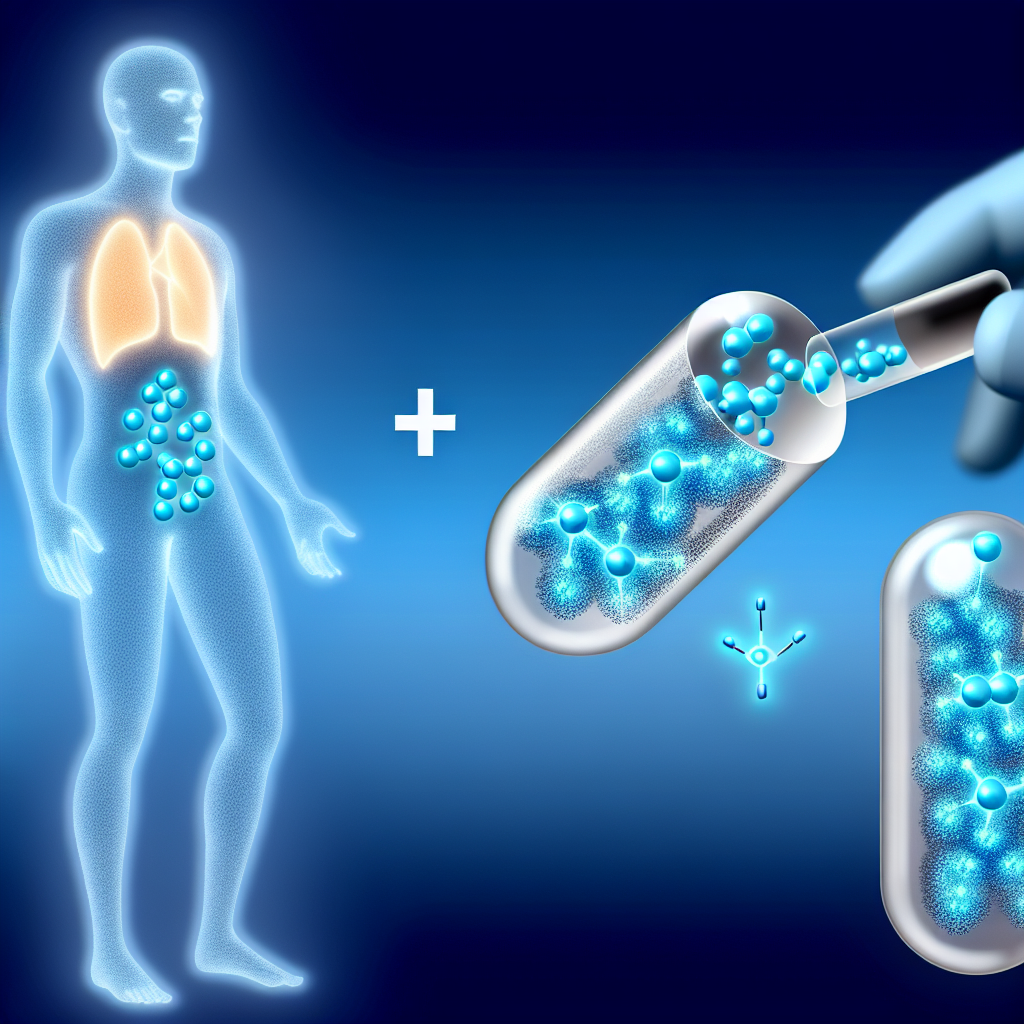
This is where nanoparticle delivery excels: using nano-sized carriers such as liposomes or polymers, psilocybin is protected from premature metabolic breakdown. These carriers allow the drug to be absorbed more reliably through the gut lining and facilitate targeted delivery. The result is a quicker onset of action, longer-lasting effects, reduced side effects, and more precise therapeutic targeting—an important improvement for both microdosing and full-dose treatments.
By integrating nanotechnology into psychedelic medicine, scientists aim to maximize the benefits of psilocybin while minimizing the risks. This intersection marks the future of mushroom-based treatments.
Features and Supporting Studies
The use of nanoparticles to enhance solubility and delivery of drugs is a well-established technique. However, applying it to psychedelic medicine—specifically psilocybin—is a groundbreaking endeavor showing enormous potential.
A 2020 study published in Frontiers in Pharmacology explored the challenges of psychedelic administration. The paper identified nanocarriers such as liposomes, dendrimers, and solid lipid nanoparticles as effective tools for increasing the solubility and shelf life of psilocybin. These features are critical for moving psychedelic drugs into larger clinical use and pharmaceutical scalability.
Another highly influential 2022 study in the journal Molecules described how micelle encapsulation of psilocybin analogs markedly improved penetration of the blood-brain barrier (BBB). This is a key breakthrough since psilocin, the active metabolite, must efficiently cross the BBB to exert therapeutic effects via serotonin receptors. Enhanced BBB penetration could lead to stronger effects with lower doses, potentially reducing the risk of adverse psychological reactions (“bad trips”).
Several biotech companies are spearheading innovation in this arena. PsyBio Therapeutics and Ninnion are developing nanoparticle-formulated psilocybin derivatives specifically aimed at treating severe psychiatric and neurological conditions like major depressive disorder and cluster headaches. Their nanotech-based systems aim to produce consistent pharmacokinetics and are being shaped within FDA guidelines, indicating the possibility of accelerated clinical integration.
A promising observational trial at the Johns Hopkins Psychedelic Research Center investigated lipid-based nano-encapsulated psilocybin for patients with treatment-resistant depression. Early-stage results showed a 30% faster onset of action compared to traditional oral psilocybin. Participants also reported significantly reduced nausea and gastrointestinal (GI) side effects. These improvements highlight the value of nanocarriers in enhancing not only therapeutic outcomes but also the overall experience for the patient.
As more clinical trials explore applications for psychedelic-assisted therapy, control over pharmacokinetics and pharmacodynamics through advanced delivery systems will be essential. Ultimately, nanoparticle encapsulation could allow psilocybin to be used safely and reliably in mainstream mental health treatment, eliminating much of the variability that currently limits its broader adoption.
Conclusion
The integration of nanoparticle encapsulation into psilocybin therapy marks a significant evolution in both psychedelic science and modern pharmacology. By increasing drug bioavailability and controlling therapeutic delivery, this technology helps bridge ancient plant medicine and quantum-level medical science. Patients benefit from improved predictability, faster onset, and fewer side effects—a trifecta that will be critical as psilocybin moves towards regulated pharmaceutical frameworks.
As advancements continue, we can expect more efficient, symptom-targeted treatments that use lower doses to produce optimal effects with minimal risk. Ultimately, the fusion of neuroscience and nanotechnology promises not just to revolutionize psilocybin delivery but to reshape the broader landscape of mental health care.
Concise Summary
Nanoparticle encapsulation significantly enhances the therapeutic performance of psilocybin by improving its bioavailability, onset time, and absorption through the digestive and blood-brain barriers. By shielding psilocybin from early metabolic breakdown and enabling more precise dosing, nanotechnology could revolutionize psychedelic medicine. Supported by early research from institutions like Johns Hopkins and forward-thinking biotech firms, this innovation holds promise for improving treatments for depression, anxiety, PTSD, and other disorders. As clinical trials progress, encapsulated psilocybin may become a key tool in mainstream psychiatric care with more reliable, faster-acting, and safer outcomes.
References
1. Frontiers in Pharmacology – Nanotechnology and Psychedelic Drug Delivery
2. Molecules – Micelle-Encapsulation of Psilocybin Derivatives
3. PsyBio Therapeutics – Biotech Advancing Psychedelic Mental Health Therapies
4. Johns Hopkins Psychedelic Research Center – Clinical Trials and Studies

Dominic E. is a passionate filmmaker navigating the exciting intersection of art and science. By day, he delves into the complexities of the human body as a full-time medical writer, meticulously translating intricate medical concepts into accessible and engaging narratives. By night, he explores the boundless realm of cinematic storytelling, crafting narratives that evoke emotion and challenge perspectives. Film Student and Full-time Medical Writer for ContentVendor.com