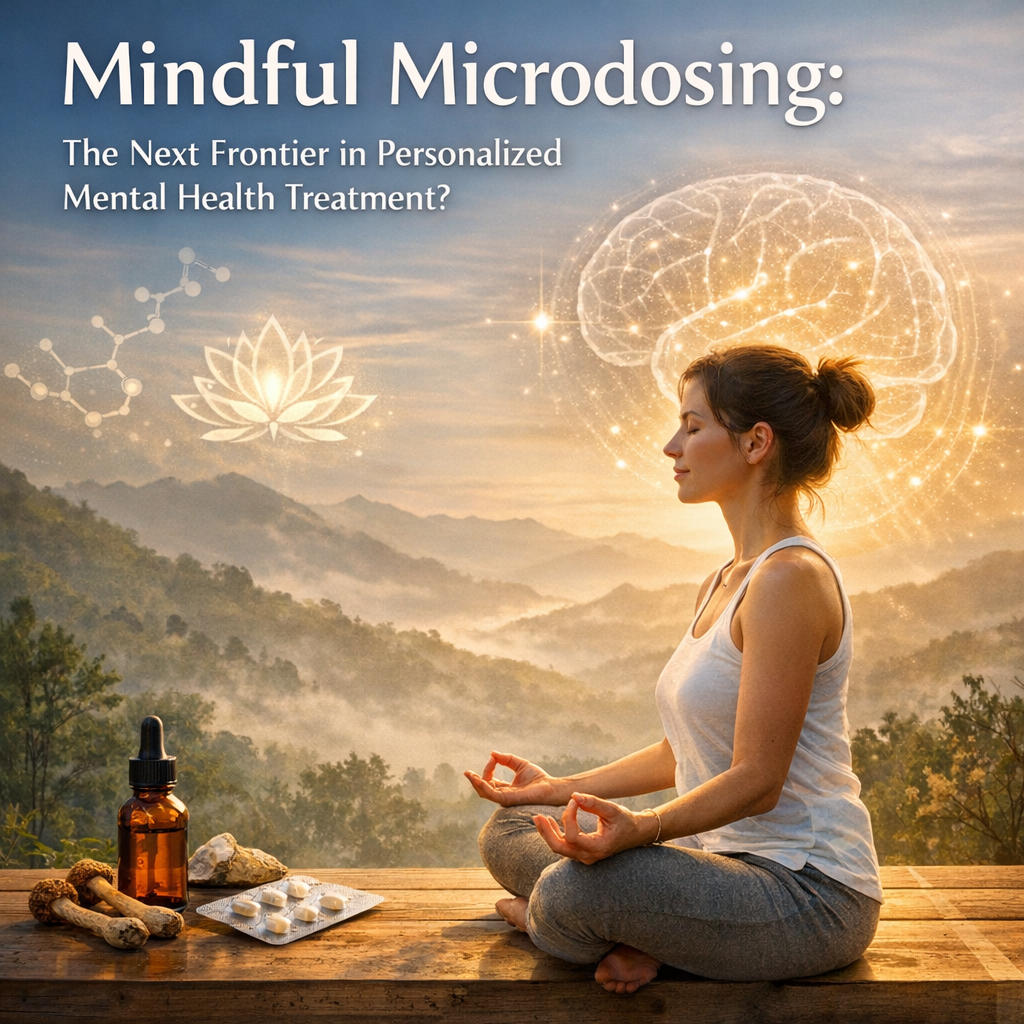
Mindful Microdosing: The Next Frontier in Personalized Mental Health Treatment?
The quest for effective **mental health treatments** has led to significant scientific advancements and paradigm shifts over the decades. Among the emerging trends is the practice of **microdosing psychedelics**, a burgeoning field gaining recognition for its potential therapeutic benefits. **Microdosing** involves the consumption of sub-perceptual doses of psychedelic substances, such as **psilocybin**, a naturally occurring compound found in certain fungi. Unlike larger doses that lead to intense and often transformative psychedelic experiences, microdosing aims to enhance **cognitive function** and **emotional stability** without the hallucinogenic effects.
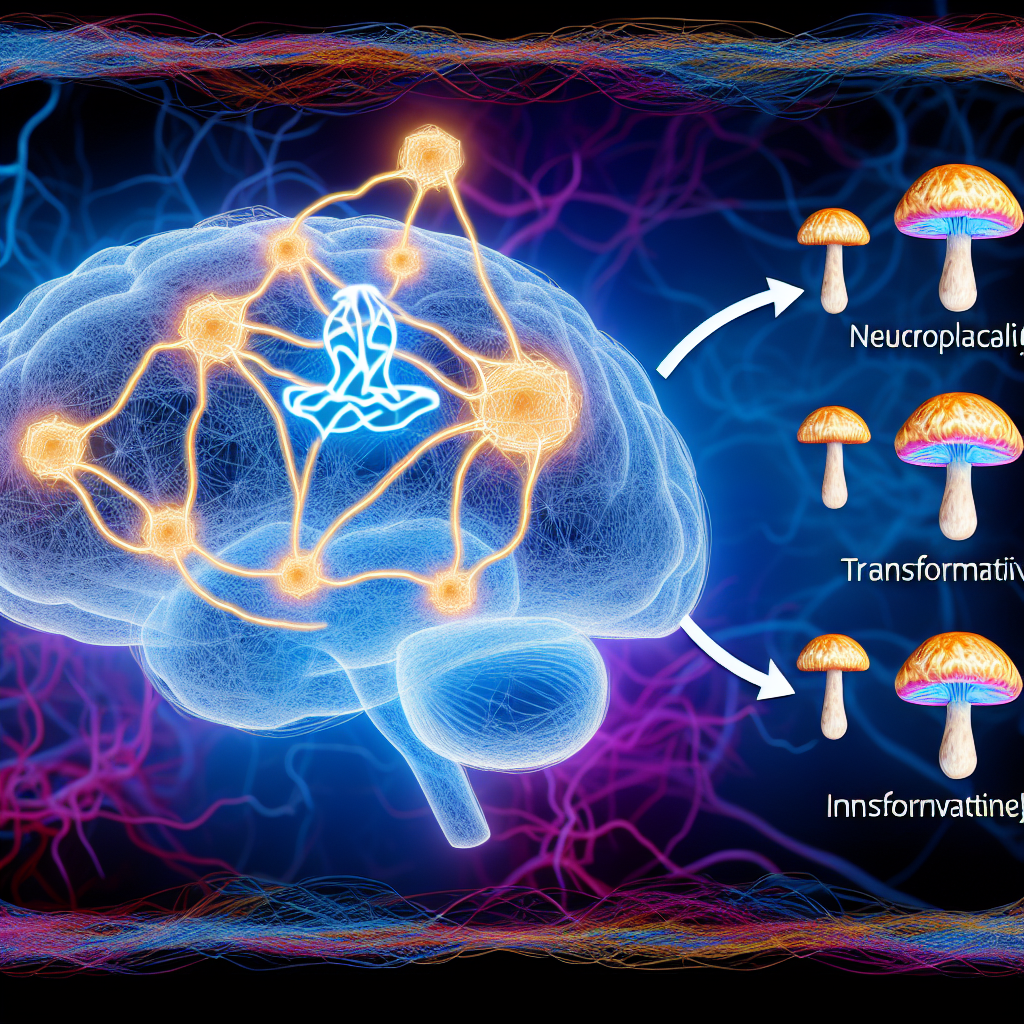
This form of treatment harmonizes with the growing interest in **personalized mental health care**—a tailored approach that ensures treatment plans are designed according to individual needs. Microdosing, executed mindfully, represents a form of personalized treatment that goes beyond merely alleviating symptoms. It facilitates an increased sense of awareness, improved focus, and greater emotional balance. This subtle yet impactful approach may result in the **rewiring of neural pathways** that can lead to long-lasting mental health benefits.
In recent years, anecdotal evidence has been bolstered by a slew of studies, invigorating the discussion around microdosing and mental health. Enthusiasts report improvements in **mood, creativity, and productivity**, while clinicians recognize potential therapeutic merits, especially concerning **depression, anxiety, and PTSD**. Importantly, microdosing can be integrated into various therapeutic settings, promoting mindfulness and a holistic awareness of one’s mental state.
As prevalent mental health issues, such as depression and anxiety, continue to impact lives globally, microdosing presents a promising alternative within the field of mental health care. The potential for this method to complement existing treatments, enhance therapeutic outcomes, and even serve as a standalone intervention for certain individuals cannot be overlooked. Through ongoing research and responsible practice, mindful microdosing could redefine the landscape of mental health treatment, emphasizing holistic, individualized care.
Features: Professional and Medical Studies on Microdosing
Recent studies have begun to shed light on microdosing’s potential benefits. A study conducted by the [University of Toronto](https://journals.sagepub.com/doi/10.1177/20503245221074670) assessed psychological parameters among microdosers, finding decreased levels of anxiety and depression, alongside heightened state mindfulness and cognitive functioning. This suggests that microdosing may aid in enhancing mental well-being without necessitating higher doses typical of traditional psychedelic therapy.
Moreover, [Imperial College London](https://www.nature.com/articles/s41598-019-45527-1) explored the cognitive effects associated with microdosing psychedelics, observing improvements in patterns of creativity and problem-solving skills. Researchers noted the potential for increased flexibility in thinking and heightened wellbeing—a testimony to microdosing’s capacity to contribute to cognitive enhancement and emotional resilience.
Despite these promising findings, it is imperative to note the limitations and challenges in microdosing research. Critiques often target the lack of placebo controls in informal settings and anecdotal nature of many reported outcomes. Nonetheless, rigorous clinical trials are underway to ascertain more conclusive evidence regarding the safety, efficacy, and practical application of microdosing in mental health care.
Another notable study executed by the [Beckley Foundation](https://beckleyfoundation.org) investigated microdosing over a six-week period. The results demonstrated notable enhancements in mood and emotional balance among participants, positioning microdosing as a viable avenue for mental wellness improvement.
These academic inquiries illustrate microdosing’s potential to transform personalized mental health treatment. They also highlight the need for further research to ensure responsible implementation and broader societal acceptance of microdosing as a legitimate therapeutic option.
Conclusion
As the mental health industry continues to evolve, **mindful microdosing** stands at the threshold of becoming a pivotal component in personalized treatment strategies. While further study and regulatory considerations remain essential, the careful integration of microdosing into mental health care holds great promise. Through ongoing research and heightened understanding, this innovative approach could effectively bridge the gap between traditional therapies and the dynamic quest for individualized mental health solutions.
**Concise Summary:** Mindful microdosing of psychedelics like psilocybin is an emerging trend in personalized mental health treatment. It offers potential benefits such as improved mood, creativity, and emotional balance without the hallucinogenic effects. Recent studies highlight its promise in treating mental health issues like depression and anxiety. However, challenges in research, such as lack of placebo controls and anecdotal evidence, remain. As ongoing research and clinical trials continue, mindful microdosing could become a key component of holistic, individualized mental health care.

Dominic E. is a passionate filmmaker navigating the exciting intersection of art and science. By day, he delves into the complexities of the human body as a full-time medical writer, meticulously translating intricate medical concepts into accessible and engaging narratives. By night, he explores the boundless realm of cinematic storytelling, crafting narratives that evoke emotion and challenge perspectives. Film Student and Full-time Medical Writer for ContentVendor.com