How AI and Psychedelics Could Revolutionize Treatment Protocols: The Next 12 Months of Mental Health Innovation
Introduction
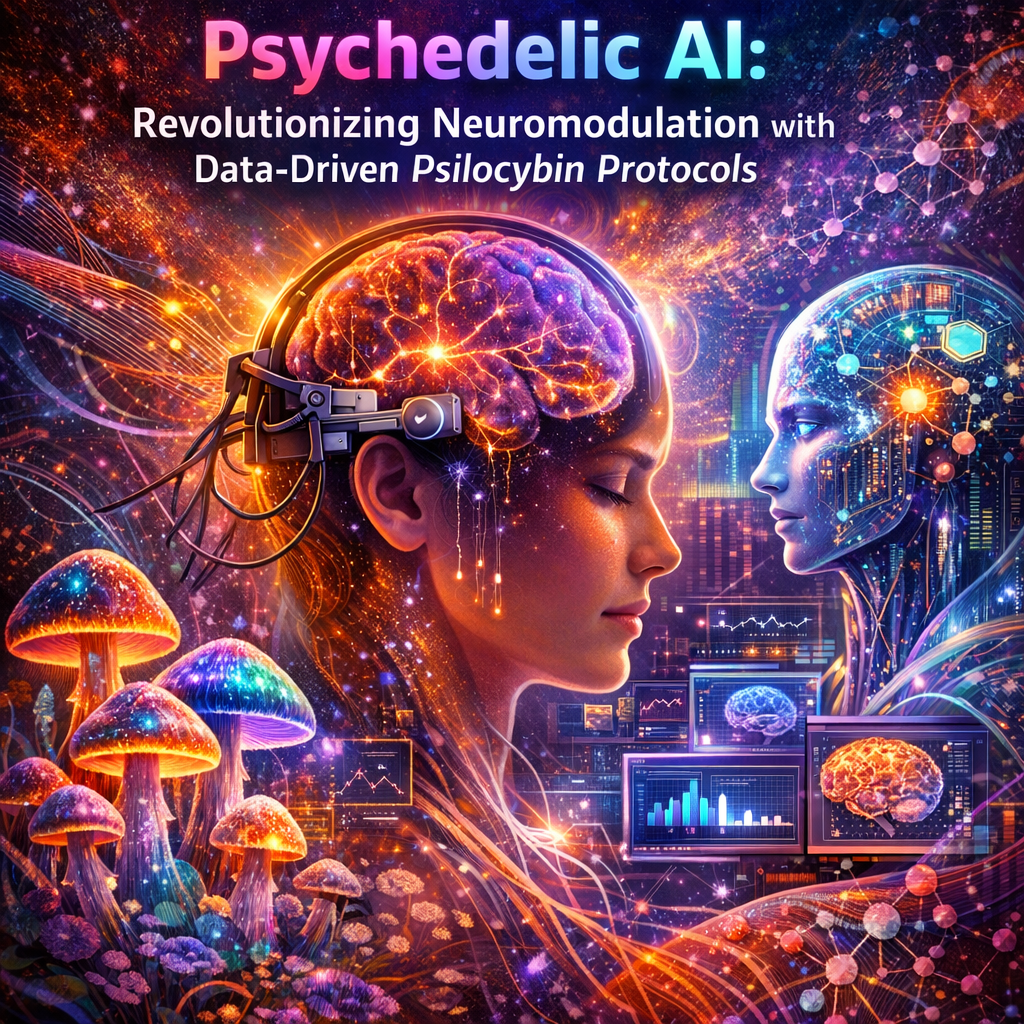
In the ever-evolving landscape of **mental health care**, two powerful forces are converging to potentially reshape treatment paradigms: **artificial intelligence (AI)** and **psychedelics**. As we stand on the brink of a new era, these technologies offer promising advancements that could redefine how we approach mental health treatment over the next 12 months. The synergy between AI’s data-driven precision and the therapeutic potential of psychedelics could unveil innovative pathways for addressing mental health conditions, from depression and anxiety to PTSD and beyond.
AI, with its immense computational power, is transforming diagnostics and personalized medicine. Machine learning algorithms analyze vast datasets to detect patterns that human eyes might miss, allowing for more accurate diagnoses and tailored treatment approaches. By integrating AI into mental health treatment protocols, healthcare providers can design more individualized plans, ensuring that patients receive interventions optimized for their unique needs. This might include determining the most effective psychedelic compounds and dosages or identifying patients who would benefit most from psychedelic-assisted therapies.
Psychedelics, such as **psilocybin**, **MDMA**, and **LSD**, have captured significant interest in both clinical settings and popular culture. Recent studies indicate that these substances, when administered in controlled environments, can have profound and lasting effects on mental health. Psilocybin was granted “breakthrough therapy” status by the FDA for treatment-resistant depression, highlighting the compound’s potential to rapidly alleviate symptoms where traditional therapies fall short. The therapeutic effects of psychedelics relate to their ability to disrupt default mode networks within the brain, promoting neural plasticity and emotional release.
The integration of AI and psychedelics is an innovation with the potential to disrupt existing treatment protocols significantly. AI models could predict individual responses to psychedelic therapy, optimizing treatment efficacy and mitigating potential risks. Imagine an AI system that analyzes a patient’s genetic, psychological, and environmental data to recommend a custom psychedelic-assisted treatment plan. By harnessing these advancements, the mental health field stands poised for a transformation that prioritizes healing, accessibility, and holistic care.
Features
Recent professional and medical studies underscore the potential implications of combining AI and psychedelics in mental health treatment. A groundbreaking study published in Nature Medicine explored how AI models could predict patient responses to various treatments, including psychedelics. This research underscores the potential for AI to enhance personalized approaches to psychedelic therapy, ensuring that treatments are both effective and safe.
Similarly, a 2023 study in the Journal of Psychopharmacology demonstrated how **machine learning** could differentiate patients who responded positively to psilocybin therapy from those who did not. By analyzing genetic markers and psychological profiles, researchers were able to predict therapeutic outcomes with remarkable accuracy. This capability presents a promising avenue for tailoring psychedelic treatments to individual patient profiles, optimizing therapeutic benefits while minimizing adverse effects.
Moreover, recent advancements in **natural language processing (NLP)** are enabling AI to analyze patient transcripts, potentially providing insights into patient progress and modifying therapeutic approaches in real time. In psychedelic therapy sessions, NLP can evaluate subtle changes in patient language and tone, offering therapists valuable data to adjust intervention strategies promptly.
Collaborative efforts between biotechnology companies and academic institutions are further advancing this field. For instance, a partnership between the University of Toronto and a prominent biotech firm is exploring AI’s role in optimizing the dosing protocols for psychedelic substances, enhancing both efficacy and safety. The goal is to create a dynamic feedback loop where AI continually refines these protocols based on patient data, paving the way for more effective and sustainable treatment solutions.
As more medical institutions embrace the intersection of AI and psychedelics, we can anticipate a surge in accessible and transformative mental health interventions. These efforts are reducing the stigma around psychedelic treatments, emphasizing their potential as powerful therapeutic tools underpinned by scientific rigor and technological innovation.
Conclusion
In the coming months, we could witness AI and psychedelics revolutionizing mental health treatment protocols. This synergy promises more personalized, effective, and compassionate care options, transforming lives and reshaping the mental health landscape. The promise of this intersection lies in its potential to offer hope, healing, and a new paradigm for mental wellness.
References
– [Nature Medicine Study on AI Models and Treatment Predictions](https://www.nature.com/articles/s41591-022-01501-7)
– [Journal of Psychopharmacology Study on Machine Learning and Psychedelics](https://journals.sagepub.com/doi/full/10.1177/02698811211031833)
– [Psilocybin’s Breakthrough Therapy Status by FDA](https://www.fda.gov/news-events/press-announcements)
– [University of Toronto AI and Psychedelics Research Collaboration](https://www.utoronto.ca/news/ai-boost-mental-health-care-potential-psychedelics)
**Concise Summary:**
The intersection of **AI** and **psychedelics** promises to revolutionize mental health treatments in the next 12 months. **AI’s data-driven precision** can enhance diagnostics and create personalized care plans, while psychedelics like **psilocybin** and **MDMA** show therapeutic potential in controlled settings. Studies highlighted in *Nature Medicine* and the *Journal of Psychopharmacology* demonstrate AI’s ability to predict treatment responses. This synergy aims to improve treatment efficacy, accessibility, and reduce stigma, ultimately offering a new paradigm for mental wellness.

Dominic E. is a passionate filmmaker navigating the exciting intersection of art and science. By day, he delves into the complexities of the human body as a full-time medical writer, meticulously translating intricate medical concepts into accessible and engaging narratives. By night, he explores the boundless realm of cinematic storytelling, crafting narratives that evoke emotion and challenge perspectives. Film Student and Full-time Medical Writer for ContentVendor.com