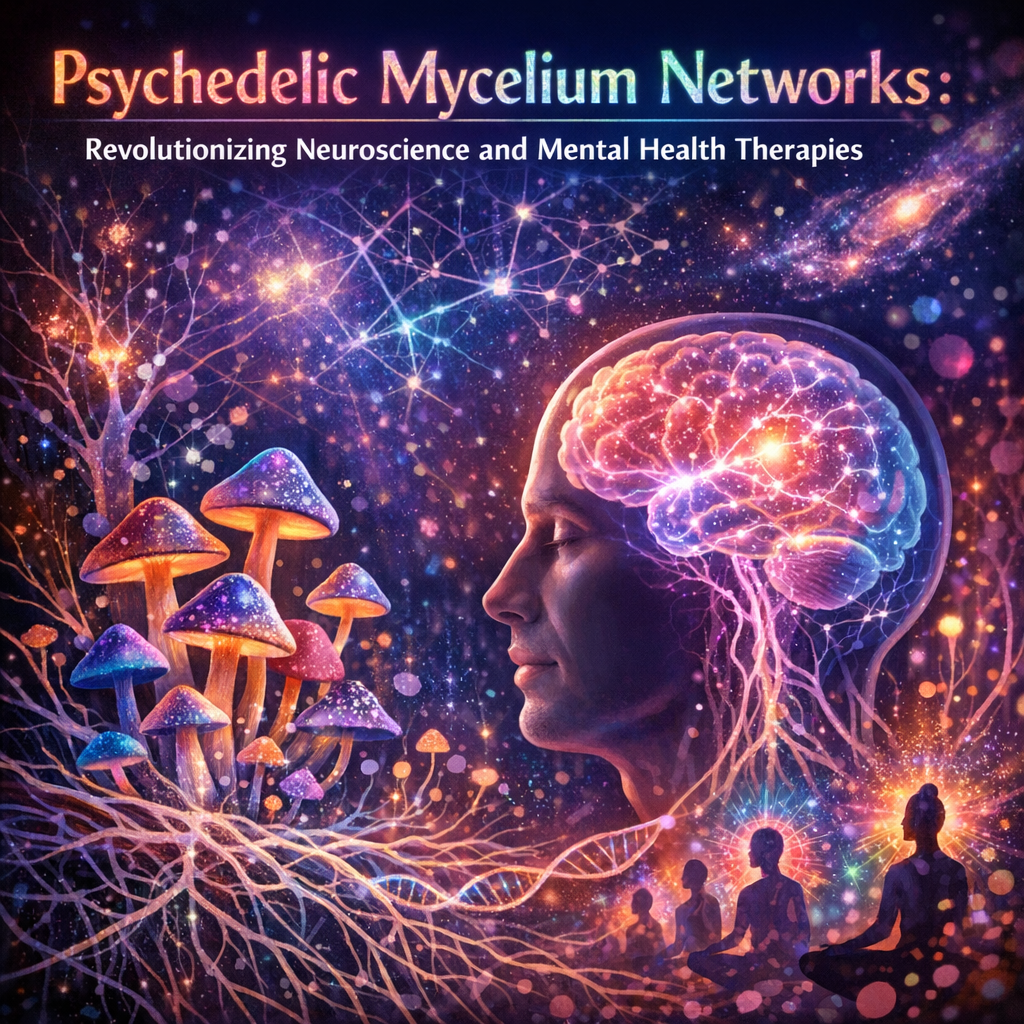
Psychedelic Mycelium Networks: Revolutionizing Neuroscience and Mental Health Therapies
In recent years, the resurgence of **psychedelic research** has opened new avenues for understanding the complex relationship between the human mind and its intricate processes. Leading this fascinating exploration is **mycelium**—the vegetative part of fungi—particularly the psychedelic varieties contained within **psilocybin mushrooms**. These networks of fungal threads have become a focal point for scientists and mental health professionals eager to explore their potential therapeutic applications. As the scientific community delves deeper into the multifaceted capabilities of mycelium and its psychoactive compounds, its impact on mental health and **neuroscience** is proving to be profound and transformative.
**Psychedelic mushrooms** have been used for millennia in various indigenous cultures for spiritual and healing purposes. However, it wasn’t until the mid-20th century that Western science began paying serious attention to their potential benefits. More recently, the destigmatization of **psychedelics** has reignited interest in **psilocybin**, one of the primary psychedelic compounds found in these fungi. Early studies from the 1950s hinted at the remarkable potential of **psilocybin** to alter states of consciousness, providing groundbreaking insights into the treatment of mental disorders.
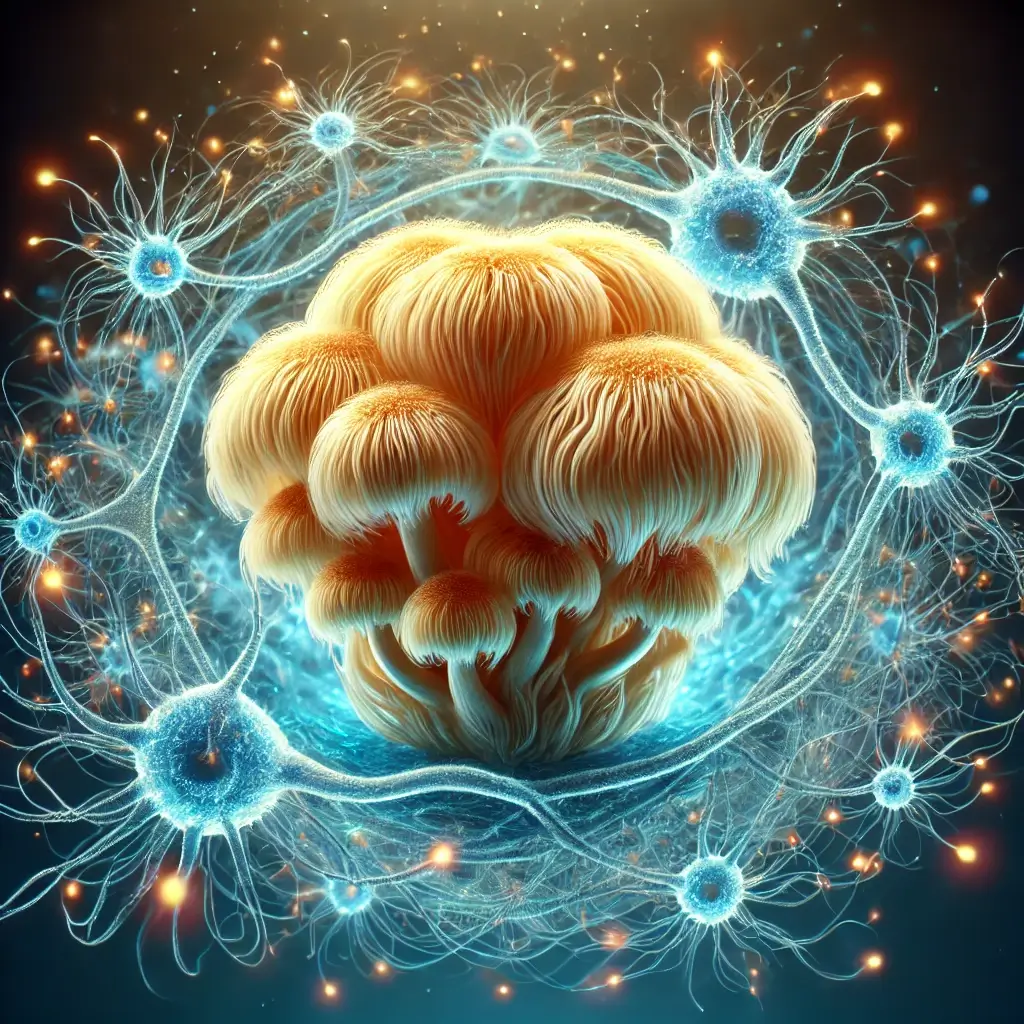
A pivotal aspect of **psilocybin**’s potential lies in its capacity to rewire the brain’s neural networks. **Neuroscientists** have long speculated that mental health disorders such as **depression**, **anxiety**, and **PTSD** may be rooted in rigid neural pathways. **Psilocybin**, with its ability to promote neural plasticity, allows for these entrenched pathways to be reconsidered and potentially reshaped, offering a new realm of hope for those affected. Additionally, the **mycelium**’s capability to grow and adapt within its environment reflects a biological parallel to this neural adaptability.
For those involved in mental health care, the implications of this are staggering. Traditional treatments for mental health conditions often involve long-term medication regimens with varying degrees of effectiveness. **Psilocybin**, in contrast, offers the potential for rapid and lasting changes in mood and perception after just a few guided sessions. Research indicates that it can lead to significant improvements in mood disorders, sometimes with effects lasting for months after a single dose. This represents a paradigm shift in how we think about treating mental health disorders.
Furthermore, the holistic nature of **psychedelic experiences** often leads to profound personal insights and a deepened sense of connectedness to others and the world at large. This can catalyze meaningful lifestyle changes and therapeutic breakthroughs not possible through conventional therapies alone. As research continues, the full therapeutic potential of **psilocybin** and its role within mycelium networks becomes clearer, revealing an exciting frontier in the pursuit of mental wellness.
Scientific Studies Backing Psilocybin Research
Significant scientific evidence supports the efficacy of **psilocybin** in therapeutic contexts. A notable study by **Johns Hopkins University** found that **psilocybin** produced substantial and sustained decreases in **depression and anxiety** in patients with life-threatening cancer diagnoses. Participants reported not only a reduction in their conditions but also an increased quality of life and a deeper appreciation for personal relationships. This study, published in the Journal of Psychopharmacology, sparked worldwide interest for its strong indications of **psilocybin**’s potential (source: [Johns Hopkins Study](https://doi.org/10.1177/0269881116675513)).
Another significant study conducted by **Imperial College London** used advanced neuroimaging to observe the changes in brain activity under the influence of **psilocybin**. The research revealed that **psilocybin** decreased activity in the **default mode network (DMN)**, a brain region associated with self-referential thinking and which is often overactive in individuals with depression. This downregulation of the **DMN** is believed to facilitate new patterns of thought and connectivity within the brain, which can be especially therapeutic for people struggling with stubborn mental health issues (source: [Imperial College London Study](https://journals.sagepub.com/doi/abs/10.1177/0269881116675512)).
Moreover, a multi-center study led by researchers at **NYU Langone Medical Center** affirmed the benefits of **psilocybin-assisted psychotherapy** for end-of-life anxiety and depression. This well-controlled trial demonstrated that patients experienced substantial cognitive and emotional improvements from just a single **psilocybin** administration when combined with psychotherapy (source: [NYU Langone Study](https://doi.org/10.1016/j.neuron.2018.09.010)).
These studies underscore the growing consensus within the scientific community regarding **psilocybin**’s therapeutic potential. As researchers continue to navigate the complex interactions at play between mycelium networks and neural pathways, the future of mental health therapies appears increasingly promising.
Conclusion
As evidence continues to mount, the potential for **psychedelic mycelium networks** to revolutionize mental health therapies is undeniable. By offering a unique avenue for treatment through a biological and psychological synergy, **psilocybin** presents promising opportunities for millions suffering from mental health disorders. As public perception and legislation evolve, continued research and integration into therapeutic practices could mark the dawn of a new era in mental health treatment, one deeply rooted in ancient wisdom and modern science.
**Summary:** Psychedelic mycelium networks, such as those in psilocybin mushrooms, are being explored for their potential in transforming mental health therapies. Psilocybin promotes neural plasticity, offering hope for conditions like depression and PTSD. Key studies from prominent institutions like Johns Hopkins and Imperial College London demonstrate the compound’s ability to reduce depression and anxiety, particularly in challenging cases. As psychedelics gain destigmatization, these findings may usher in a new mental health treatment era by integrating ancient practices with modern scientific research.

Dominic E. is a passionate filmmaker navigating the exciting intersection of art and science. By day, he delves into the complexities of the human body as a full-time medical writer, meticulously translating intricate medical concepts into accessible and engaging narratives. By night, he explores the boundless realm of cinematic storytelling, crafting narratives that evoke emotion and challenge perspectives. Film Student and Full-time Medical Writer for ContentVendor.com