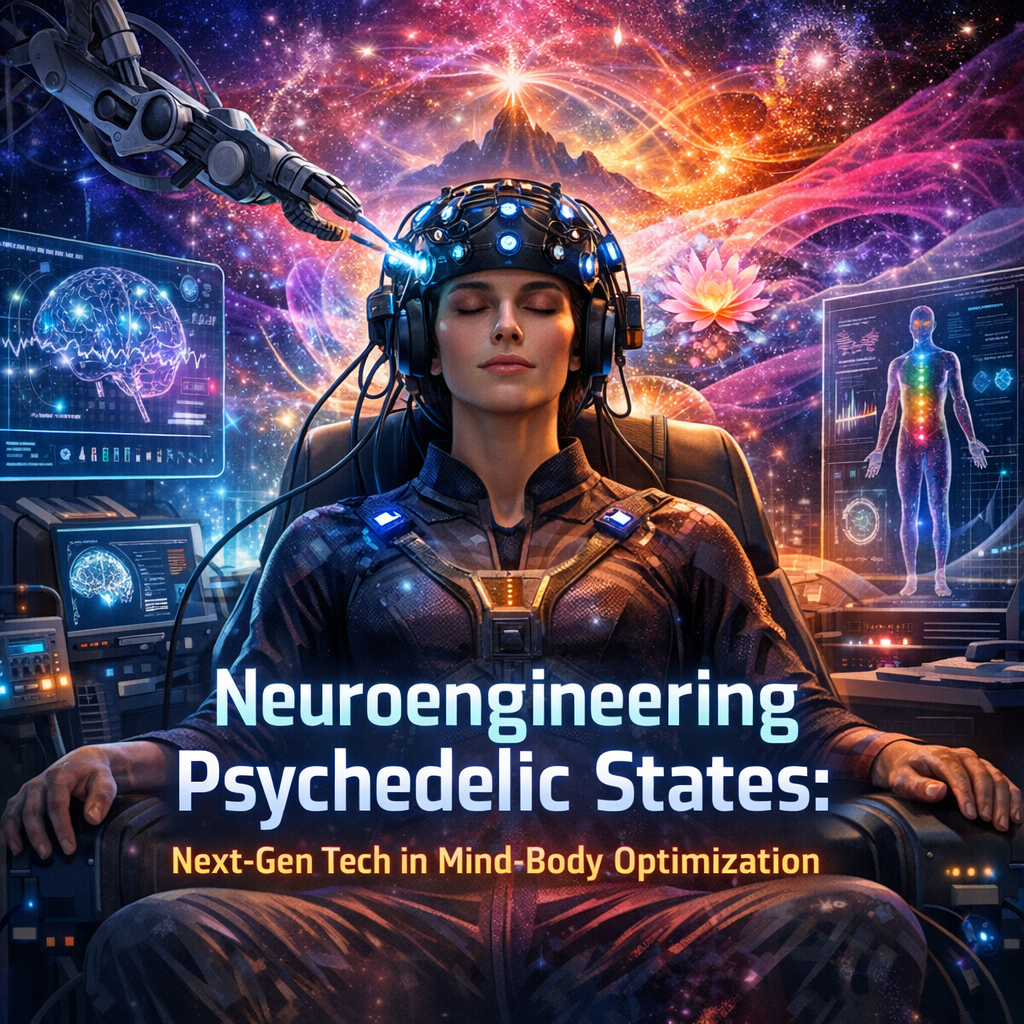
Neuroengineering Psychedelic States: Next-Gen Tech in Mind-Body Optimization
As the fields of **neuroscience** and **technology** continue to evolve, the intersection of these disciplines has opened up groundbreaking possibilities in **mind-body optimization**. One emerging field that is generating significant interest is **neuroengineering psychedelic states**. This innovative area of study leverages advanced technology and the properties of psychedelic substances, such as **psilocybin**, to enhance mental health and cognitive functions.
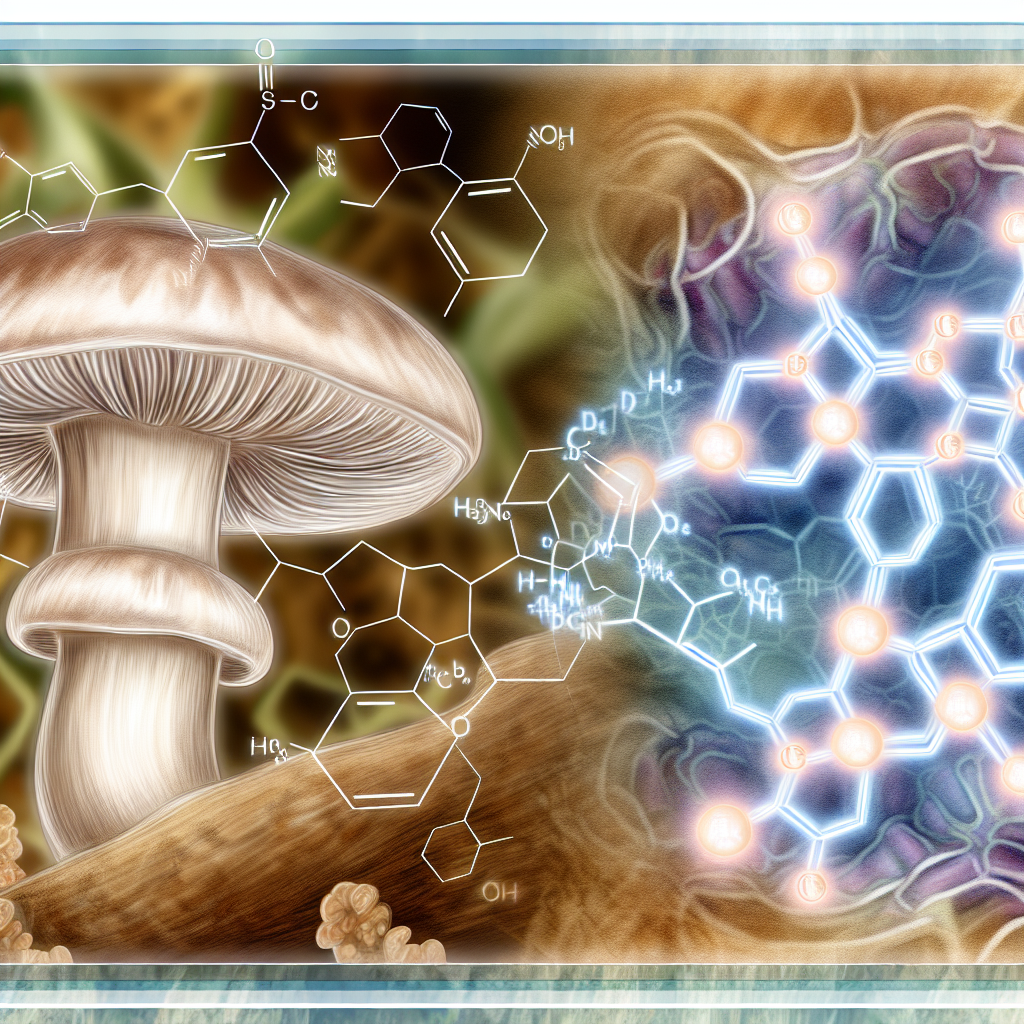
Psychedelic substances, once relegated to the fringes of medical research due to their association with counterculture movements, are experiencing a renaissance thanks to new studies validating their therapeutic potential. Compounds like psilocybin, derived from mushrooms, are being examined for their ability to facilitate profound psychological healing and growth. Psilocybin has gained attention for its capacity to foster **neuroplasticity**—the brain’s ability to reorganize itself by forming new neural connections. With this newfound scientific backing, it holds potential for treating mental health conditions such as **depression**, **anxiety**, and **PTSD**. For more information, you can explore studies from [Hopkins Medicine](https://www.hopkinsmedicine.org).
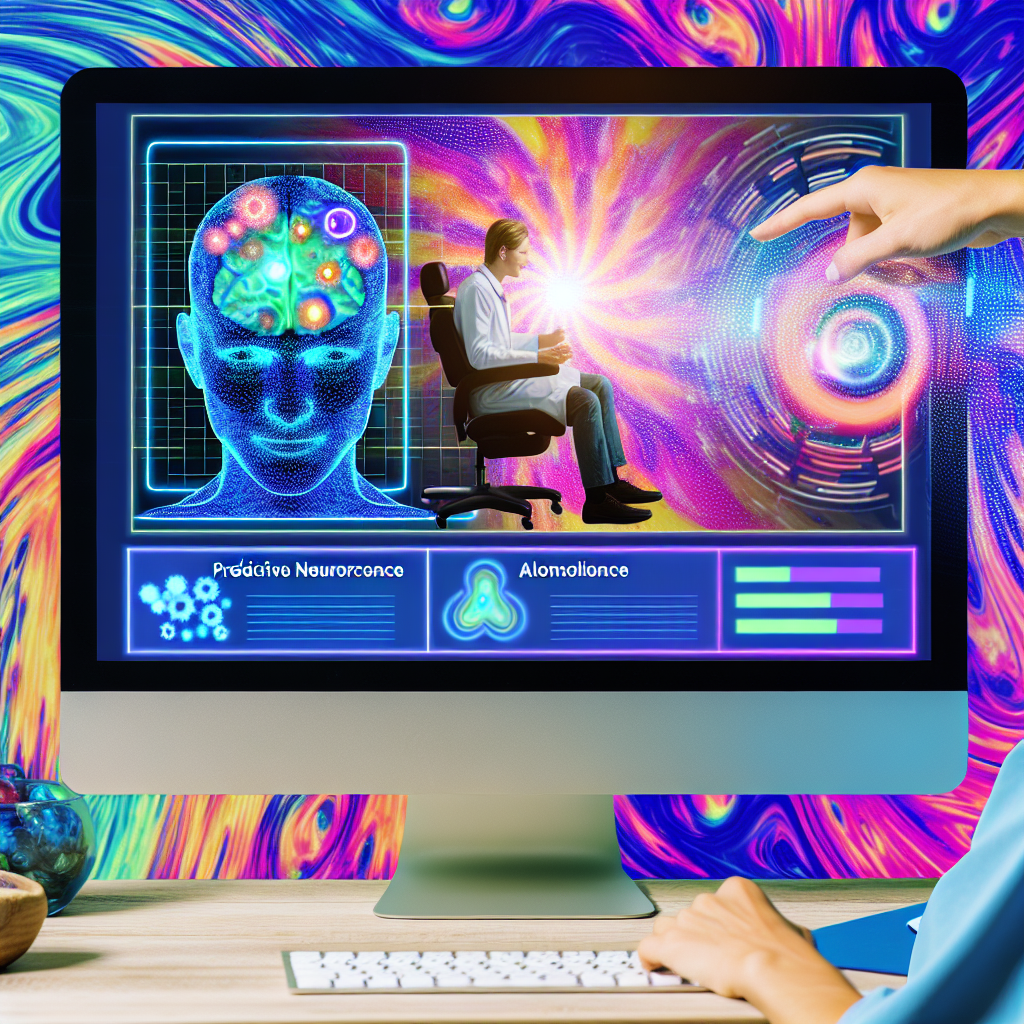
Enter the realm of **neuroengineering**, a discipline dedicated to developing technology that can augment, interface with, or mimic brain functions. By employing neuroengineering principles alongside psychedelics, researchers aim to decode and optimize the mind-body connection, potentially revolutionizing how we approach mental health treatment and cognitive enhancement. Innovative technologies, such as **brain-computer interfaces (BCIs)**, **virtual reality (VR)**, and **machine learning algorithms**, allow for precise modulation of brain activity, offering new avenues for psychedelic therapy.
**The Potential and Application of Neuroengineering Psychedelic States**
This confluence of technologies promises personalized psychedelic experiences that can be fine-tuned to each individual’s neural profile. By understanding and manipulating brainwave patterns, scientists can tailor interventions for maximum effect, leading to transformative mental states and experiences. As our understanding of the brain and psychedelic substances deepens, the potential for neuroengineering to optimize psychological well-being and cognitive performance appears boundless.
**Features of Neuroengineering Psychedelic States**
Recent professional and medical studies underline the role of **psilocybin** and advanced technology in pioneering therapeutic practices. For instance, a study conducted at **Johns Hopkins University** demonstrated that psilocybin therapy could induce significant reductions in major depressive disorder symptoms with sustained benefits. The study noted enhanced neural connectivity in participants, attributed to psilocybin’s ability to promote neuroplasticity—a fundamental aspect of enduring mental health improvement. You can delve into their findings by looking into [Nature Neuroscience](https://www.nature.com/neuro).
In the realm of technology, brain-computer interfaces and neurofeedback systems are opening new frontiers for psychedelic-assisted therapies. BCIs allow for the recording and interpretation of brain activity, which can be used to provide real-time insights into an individual’s mental state. A study published in the journal *Nature Neuroscience* described how BCIs were utilized to measure the impact of psychedelics at the neurophysiological level, paving the way for more targeted psychedelic therapies.
Moreover, **virtual reality (VR)** environments present a unique opportunity to enhance the therapeutic potential of psychedelics. A study featured in *Frontiers in Psychology* revealed that immersive VR experiences could synergize with psychedelic therapy by providing a controlled and supportive setting to guide users through transformative experiences. This amalgamation of VR with psychedelics presents a novel approach to therapy, where visuals and environments can be custom-designed to suit therapeutic goals. Check out their full report in [Frontiers in Psychology](https://www.frontiersin.org/journal/psychology).
These advancements signify a move towards **precision medicine** in the mental health arena. **Machine learning algorithms**, capable of analyzing vast datasets, are integral to this shift. They enable the identification of patterns and predictions driving individualized therapeutic protocols. The development of personalized psychedelics therapies tailored through an in-depth understanding of patient-specific neural data is gradually becoming a reality.
Conclusion
In the evolving landscape of **mind-body optimization**, **neuroengineering psychedelic states** represent a transformative approach to mental health care. By combining the therapeutic potential of psychedelics with cutting-edge technology, researchers are paving the way for innovative treatments that promise enhanced mental health and cognitive performance. As we continue to explore this promising frontier, the fusion of **neuroscience** and technology will likely redefine how we experience and optimize the human mind. For further information and updates in this field, explore additional resources and studies that continue to shed light on this fascinating intersection of technology and psychedelics.
**Concise Summary**
Neuroengineering psychedelic states combine neuroscience with technology, leveraging the properties of substances like psilocybin to optimize mental health and cognitive functions. The renewed interest in psychedelics for therapeutic use is backed by research demonstrating improvements in conditions like depression and PTSD through enhanced neuroplasticity. Integrating technologies such as brain-computer interfaces, virtual reality, and machine learning offers tailored, precision psychedelic therapies, heralding a new era in mental health treatment. As understanding deepens, the potential of this field to redefine mental health care and cognitive enhancement seems limitless.

Dominic E. is a passionate filmmaker navigating the exciting intersection of art and science. By day, he delves into the complexities of the human body as a full-time medical writer, meticulously translating intricate medical concepts into accessible and engaging narratives. By night, he explores the boundless realm of cinematic storytelling, crafting narratives that evoke emotion and challenge perspectives. Film Student and Full-time Medical Writer for ContentVendor.com