Could Synthetic Psilocybin Disrupt the Medicinal Mushroom Market? Exploring the Potential and Pitfalls
Introduction
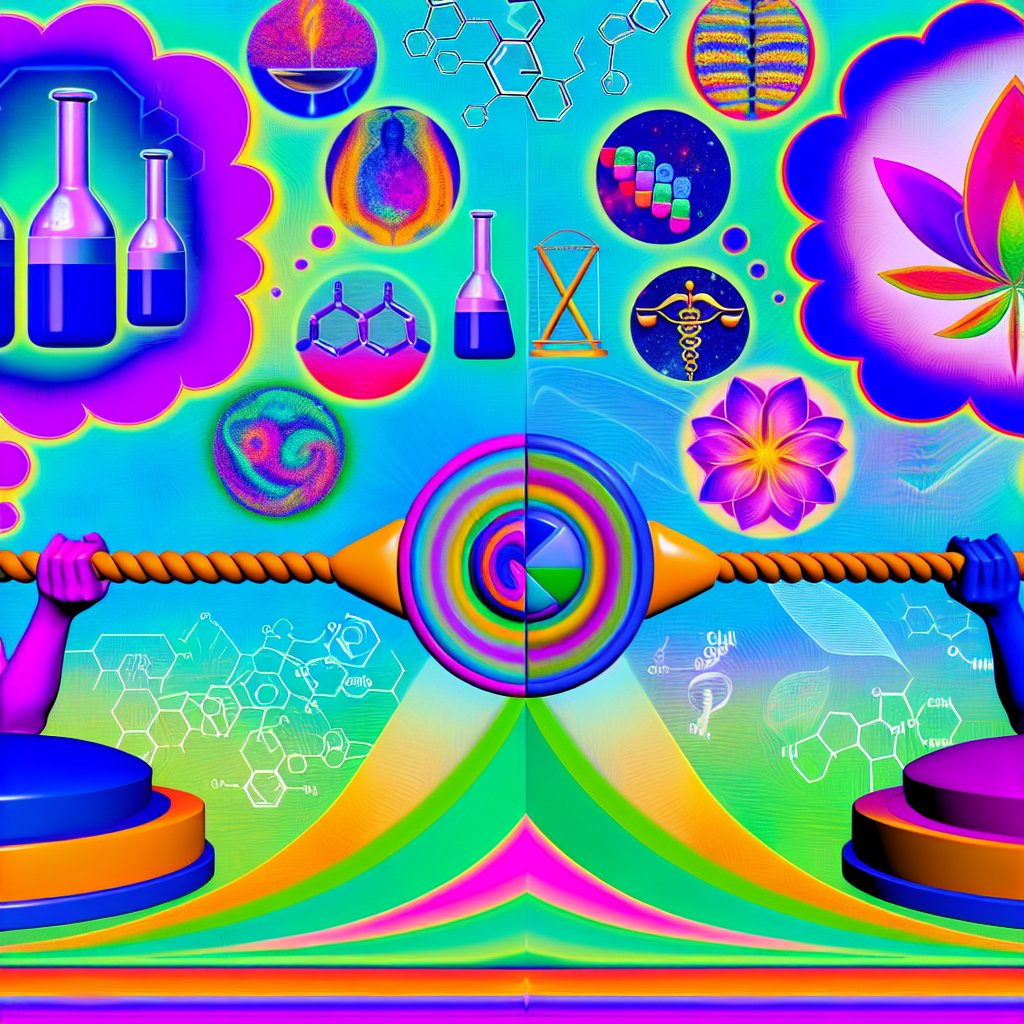
As the world of **medicinal mushrooms** continues to grow in popularity, both within medical circles and among natural healing enthusiasts, a unique intersection has emerged that challenges traditional paradigms—**synthetic psilocybin**. Typically derived from species like **Psilocybe cubensis**, psilocybin is the psychoactive compound responsible for the hallucinations experienced during **psychedelic trips**. Historically linked to **shamanistic rituals**, this compound is now garnering attention for its potential **therapeutic benefits**. However, as **synthetic variants** make inroads into scientific research and medical trials, questions arise about their impact on the holistic medicinal mushroom market.
Interest in psilocybin has soared due to its promising applications in treating a variety of **psychological disorders** like **depression**, **anxiety**, and **PTSD**. Traditionally, psilocybin mushrooms are consumed whole, allowing users to benefit from the full spectrum of active compounds present in the fungi. In contrast, synthetic psilocybin isolates the principal psychoactive ingredient, potentially offering a standardized, legal, and accessible means to approach treatment. This prospect excites the pharmaceutical industry and some medical professionals.
Several tech companies have leaped at this opportunity, investing in the bioengineering of **synthetic psilocybin**. Proponents argue that this method allows for consistent dosage management and purity levels—crucial factors for clinical treatment—while eradicating issues like crop failure and mushroom variability. Yet, this raises a critical question: does the rise of synthetic psilocybin signal a potential disruption in the well-established market for medicinal mushrooms?
Moreover, mushrooms contain natural compounds that might offer additional health benefits beyond psilocybin. **Terpenoids**, **beta-glucans**, and other bioactive substances contribute to the therapeutic efficacy of these fungi, suggesting that isolating psilocybin might overlook the holistic benefits inherent in whole mushroom use. Thus, while synthetic psilocybin presents intriguing potential, it also raises significant considerations about efficacy, market dynamics, and the preservation of ancient holistic traditions.
Features
Emerging research from esteemed institutions sheds light on this topic, revealing both the potential and pitfalls associated with synthetic psilocybin. A recent study conducted by **Imperial College London** examined the impact of synthesized psilocybin in a controlled clinical environment for major depressive disorder. The results demonstrated significant improvement in the participants’ depressive symptoms, emphasizing the therapeutic promise of a synthetic approach. Producing psilocybin in a lab ensures consistency in dosing and purity, which is appealing in clinical practice (source: Nature Medicine).
However, a growing body of literature suggests approaching synthetic psilocybin with caution. According to researchers from **Johns Hopkins University**, while synthetic psilocybin can be helpful, the medicinal properties of mushrooms often lie in their complex biochemistry. Their study shows that various compounds in whole mushrooms work synergistically, providing additional health benefits that synthetic isolates may lack (source: Journal of Psychopharmacology).
From a marketing perspective, synthetic psilocybin’s emergence could alter the economic landscape for naturally sourced medicinal mushrooms. Entrepreneurs and small businesses may face considerable competition from large pharmaceutical companies producing synthetic variants at scale. This dynamic introduces uncertainties about future pricing, regulation, and availability of both natural and synthetic products in the market.
This technological shift also initiates a critical dialogue within both scientific communities and holistic practitioners about the essence of medicinal treatment. Does replicating the active compound encapsulate all the functional benefits that mushrooms inherently provide? Or does it strip away the collective wisdom included in holistic practices that have existed for centuries? While synthetic psilocybin might open new avenues, the value and integrity of natural treatments should remain a crucial part of this rapidly evolving landscape.
Conclusion
In conclusion, synthetic psilocybin holds significant potential to disrupt and enhance the medicinal mushroom market, offering a promising pathway for advanced therapeutic treatments. However, it also raises vital questions about the viability of holistic approaches and the preservation of medicinal mushroom traditions. As the conversation evolves, stakeholders must foster a balanced perspective that respects the complexity and historical significance of natural remedies while embracing innovative solutions. The future will depend on our ability to integrate these distinct yet complementary paths in the journey towards comprehensive mental health care.
Concise Summary
Synthetic psilocybin stands at a crossroads of innovation and tradition in the medicinal mushroom market, offering exciting therapeutic prospected while challenging established holistic practices. Emerging research highlights its potential in treating psychological disorders, such as depression and PTSD, but also underscores the value of whole mushrooms’ complex biochemistry. The rise of synthetic variants could disrupt existing markets, impacting small businesses and introducing questions about efficacy and tradition. As this field progresses, finding a balance between synthetic and natural remedies will be crucial in advancing mental health care while respecting ancient wisdom.

Dominic E. is a passionate filmmaker navigating the exciting intersection of art and science. By day, he delves into the complexities of the human body as a full-time medical writer, meticulously translating intricate medical concepts into accessible and engaging narratives. By night, he explores the boundless realm of cinematic storytelling, crafting narratives that evoke emotion and challenge perspectives. Film Student and Full-time Medical Writer for ContentVendor.com