**
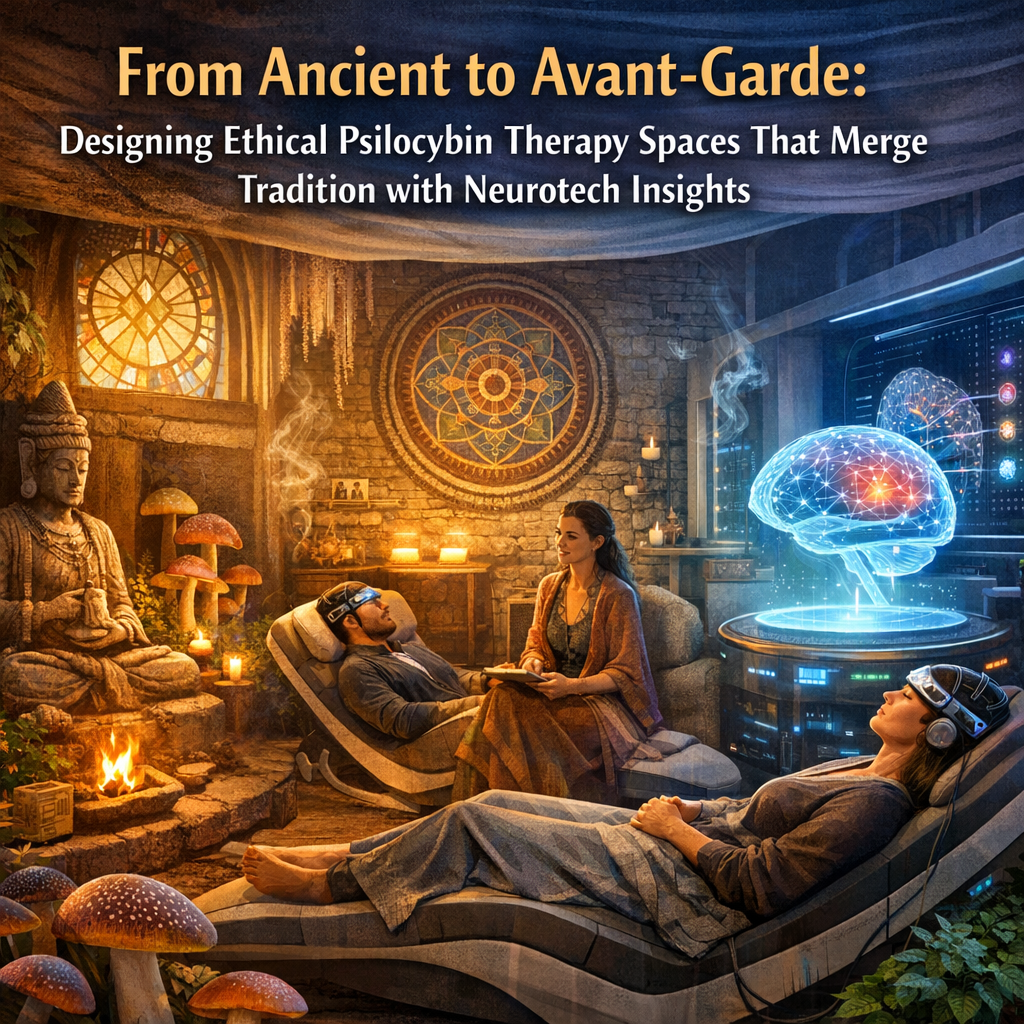
From Ancient to Avant-Garde: Designing Ethical Psilocybin Therapy Spaces That Merge Tradition with Neurotech Insights
**
**
Introduction:
**
The exploration of **psilocybin**, the psychoactive component found in certain types of mushrooms, features a vibrant history. **Indigenous cultures** have harnessed its transformative potential for centuries as part of spiritual rituals and healing practices. From the mysterious **Aztecs** to the **Mazatec shamans** of Mexico, the traditional use of psilocybin emphasizes a deep connection with nature and the human psyche.
In recent years, this ancient practice has intersected with **cutting-edge technology** and **neuroscientific insights**, leading to modern therapeutic potentials beyond spiritual exploration. The burgeoning field of **neurotechnology** offers tools to understand and potentially enhance the therapeutic benefits of psilocybin. This convergence leads to a crucial question: How can we design therapeutic spaces that ethically blend the profound connections of traditional practices with the advanced understandings of neurotechnology?
Creating such spaces requires more than just thoughtful architecture and design; it demands consideration of **ethical**, **cultural**, and **personal dimensions**. These therapy environments should facilitate healing experiences grounded in cultural respect, safety, and evidence-based practices. With a growing body of research validating psilocybin’s efficacy in treating conditions like **depression**, **PTSD**, and **anxiety**, there is a compelling need to create treatment settings that reflect both respect for ancient wisdom and confidence in contemporary scientific findings.
As society stands on the brink of mainstream acceptance of **psychedelic medicine**, integrating psilocybin into therapeutic contexts underscores the necessity of merging tradition with technology. We must innovate therapy spaces that honor the past while embracing future possibilities, ensuring that those seeking healing through psilocybin can do so in environments designed for optimal therapeutic outcomes. Such spaces should not only enhance the individual experience but also propagate a broader understanding and acceptance of psilocybin’s role in medical treatments.
**
Features:
**
In exploring psilocybin therapy spaces, it’s vital to draw on existing studies to guide ethical and effective design. Recent research has underscored psilocybin’s potential for psychological healing. For instance, a [landmark study by Johns Hopkins University](https://www.hopkinsmedicine.org/news/newsroom/news-releases/johns-hopkins-psychedelic-research-psilocybin-depression-study) identified significant reductions in symptoms of major depressive disorder from psilocybin-assisted therapy. Participants in the study experienced not only alleviation of symptoms but also transformative personal growth and spiritual insights, highlighting the profound potential of these substances in a controlled setting.
Creating effective therapeutic environments must align with these findings. Findings from a 2020 study published in the journal [*Frontiers in Psychology*](https://www.frontiersin.org/articles/10.3389/fpsyg.2020.00660/full) emphasized the importance of **set (mindset)**, **setting (environment)**, and **integration** in psychedelic experiences. The physical design of therapy spaces should facilitate a sense of safety and comfort, incorporating natural elements that resonate with the traditional use of psilocybin. This could include the use of natural light, comfortable furnishings, and acoustic design to minimize ambient noise, allowing for a deeply immersive and supportive environment.
Incorporating neurotech can enhance therapeutic outcomes in these spaces. Devices like **EEG (electroencephalogram) headsets** can provide real-time feedback on a patient’s brain activity during sessions, offering insights into how psilocybin affects the brain. This integration not only deepens the understanding of the substance’s effects but can personalize and perhaps enhance the therapeutic experience by allowing therapists to adjust the environment or therapeutic approach in real-time.
In preparing these spaces, ethical considerations are paramount. **Cultural appropriation** concerns must be addressed, ensuring that indigenous knowledge and practices are respected and not commodified. Collaborative partnerships with indigenous communities can provide vital insights and guidance in developing spaces that honor the traditional origins of psilocybin use. Furthermore, informed consent and patient education are essential in ensuring that clients are fully aware of the experience and potential outcomes.
**
Conclusion:
**
As the use of psilocybin in medical contexts continues to gain momentum, the design of therapeutic spaces will play a critical role in the integration of these treatments into mainstream healthcare. Merging the rich history of traditional psilocybin use with modern neurotechnology insights promises a transformative approach, ensuring ethical, effective, and respectful healing environments. With careful consideration and collaboration, such therapy spaces can set a new standard for mental health treatments, fostering healing and understanding across cultures and generations.
**
References:
**
1. [Johns Hopkins University Study on Psilocybin and Depression](https://www.hopkinsmedicine.org/news/newsroom/news-releases/johns-hopkins-psychedelic-research-psilocybin-depression-study#:~:text=The%20study%20found%20that%20in%20the%20immediate%20group%2C%20participants%20reported%20a%2043%25%20reduction%20in%20depression%20symptoms%20one%20week%20after%20the%20first%20dose%20vs.%20a%201%25%20reduction%20in%20the%20delayed%20group.)
2. [Frontiers in Psychology: The Role of Set and Setting in Psychedelic Experiences](https://www.frontiersin.org/articles/10.3389/fpsyg.2020.00660/full)
**Concise Summary:**
This article explores the integration of **psilocybin** in therapeutic spaces, blending ancient traditions with modern **neurotechnology**. It underscores the importance of designing environments that respect cultural heritage and leverage scientific insights for effective healing. Research highlights psilocybin’s potential in treating mental health conditions, emphasizing the significance of **set**, **setting**, and **integration**. Ethical considerations, such as avoiding cultural appropriation and ensuring informed consent, are crucial. As **psychedelic medicine** gains acceptance, these thoughtfully designed spaces can revolutionize mental health treatments, honoring the past while embracing future possibilities.

Dominic E. is a passionate filmmaker navigating the exciting intersection of art and science. By day, he delves into the complexities of the human body as a full-time medical writer, meticulously translating intricate medical concepts into accessible and engaging narratives. By night, he explores the boundless realm of cinematic storytelling, crafting narratives that evoke emotion and challenge perspectives. Film Student and Full-time Medical Writer for ContentVendor.com