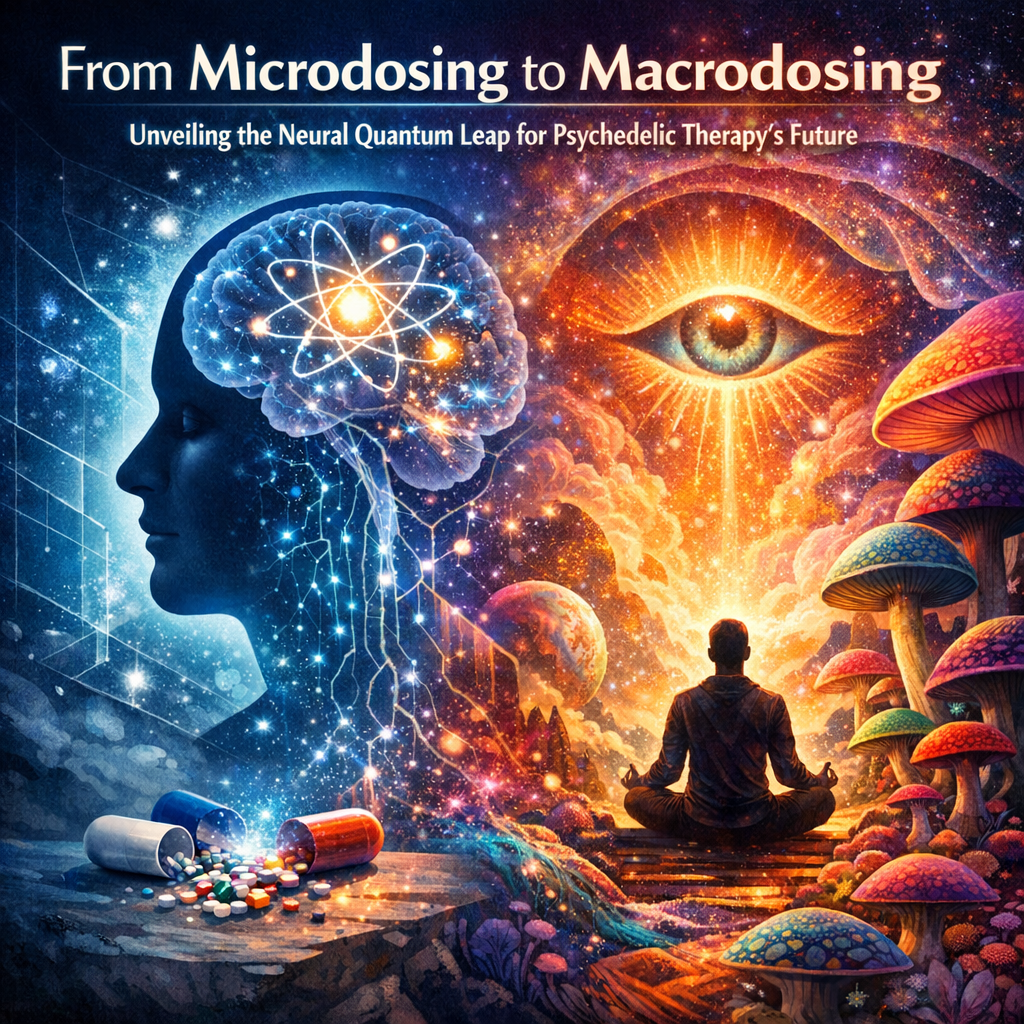
From Microdosing to Macrodosing: Unveiling the Neural Quantum Leap for Psychedelic Therapy’s Future
The realm of **psychedelic therapy** has undergone a transformative journey, moving from intriguing social experimentation to a promising field of medical and psychological healing. **Psilocybin**, the active compound in **magic mushrooms**, has taken center stage as researchers explore its therapeutic potential for various mental health conditions. From **depression** and **anxiety** to **PTSD** and **addiction**, psilocybin offers an alternative approach that differs significantly from conventional pharmaceutical treatments.
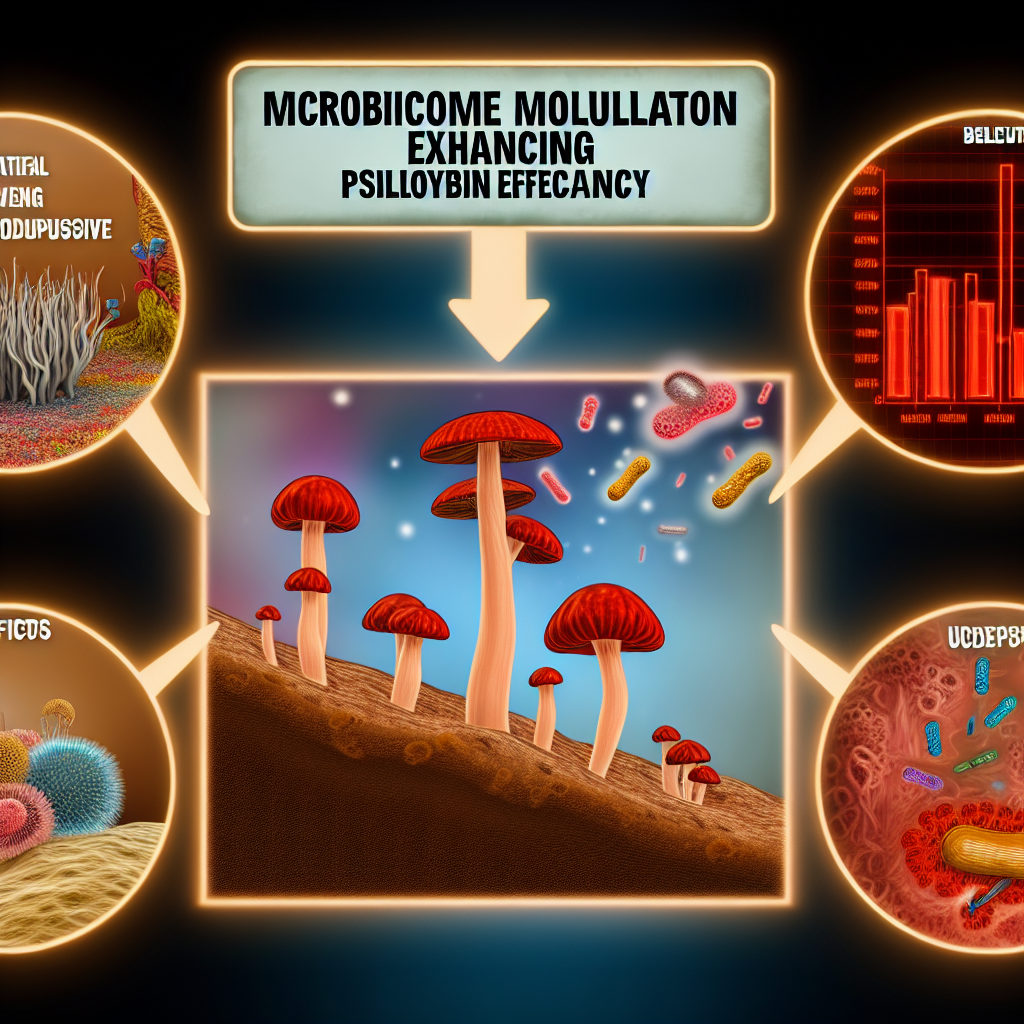
**Microdosing**, a practice where individuals consume minuscule amounts of **psychedelic substances** to harness sub-perceptual benefits, has gained popularity for enhancing creativity, focus, and emotional balance without the hallucinogenic effects. Enthusiasts and researchers alike report that microdosing can lead to enhanced problem-solving skills and reduced anxiety while fostering a sense of well-being. What’s particularly fascinating about microdosing is its potential to offer these benefits at a **neuronal level** – a subject of burgeoning academic interest.
On the other hand, **macrodosing** involves consuming larger doses intended for full psychedelic experiences, often accompanied by therapeutic guidance. Originating from indigenous cultural rituals, macrodosing is embraced for its potential to unlock deeper consciousness levels and facilitate profound psychological breakthroughs. Many believe that macrodosing, when conducted safely and under professional supervision, can catalyze long-lasting improvements in mental health by rewiring neural pathways, allowing users to process and overcome entrenched psychological issues.
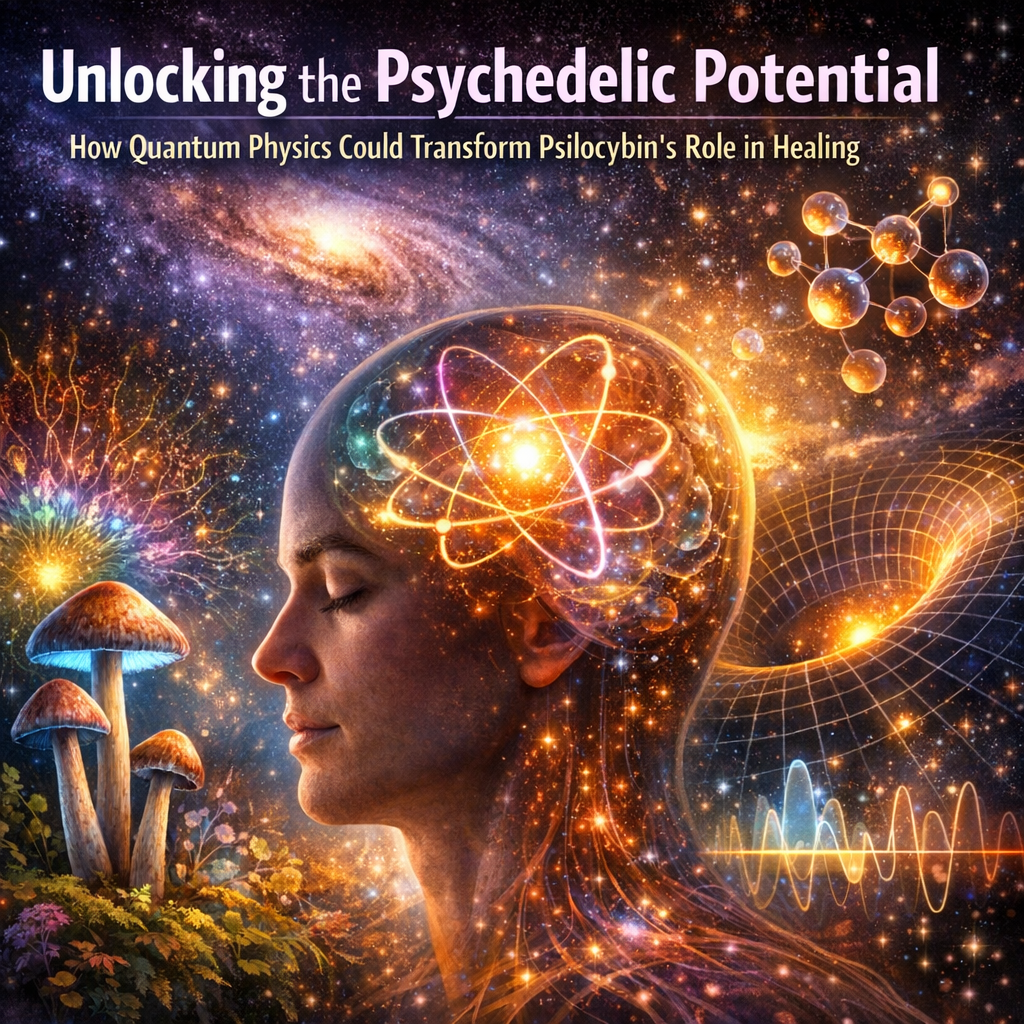
The neural quantum leap in psychedelic therapy lies in understanding how psilocybin interacts with the brain. Psilocybin targets **serotonin receptors**, primarily the **5-HT2A receptor**, playing a pivotal role in mood regulation and perception. By temporarily altering normal brain connectivity, psilocybin allows for an increased sense of interconnectedness and novel thought patterns. The promising outcomes from recent clinical trials highlight the potential for psilocybin therapy to revolutionize mental health treatment. As the stigma surrounding psychedelic substances diminishes, the scientific community and public interest are increasingly recognizing their healing potential.
Features: Recent Research on Psilocybin and its Impacts
Several professional and medical studies underpin the growing interest in psilocybin’s therapeutic impacts. One landmark study published in the journal [*Psychopharmacology*](https://link.springer.com/article/10.1007/s00213-017-4825-5) focused on **psilocybin-assisted therapy** for depression. This randomized, controlled trial revealed that a single high-dose psilocybin session, combined with psychological support, significantly reduced depression symptoms in patients with treatment-resistant depression. The remission observed in participants was linked to increased emotional and neural plasticity, hinting at the brain’s remarkable capacity for adaptation and healing under psychedelics.
Furthermore, research conducted by the [*Center for Psychedelic and Consciousness Research* at Johns Hopkins University](https://hopkinspsychedelic.org/) underscores the benefits of psilocybin on mental health disorders. Their findings demonstrate that psilocybin, administered in a controlled therapeutic setting, can produce profound shifts in patients’ perspectives. Participants reported enhanced emotional well-being and a broader outlook on life, attributed to the altered connectivity in key brain networks responsible for self-referential thought processes.
Another crucial study is examining the long-term effects of microdosing psychedelics. Conducted by the [*University of Toronto*](https://journals.sagepub.com/doi/full/10.1177/2397847320953023), preliminary results suggest that microdosing may offer a viable path for treating anxiety and ADD/ADHD-related symptoms. Test subjects who engaged in consistent microdosing protocols exhibited improvements in creative problem-solving and emotional regulation, underpinning the hypothesis that even low doses of psychedelics can alter cognitive functioning positively.
Psilocybin’s potential extends beyond mental health; research is beginning to explore its impact on **neuroplasticity** – the brain’s ability to form and reorganize synaptic connections. Understanding psilocybin’s role could exemplify a neural quantum leap in psychedelics, shedding light on how these substances can advance mental health paradigms and facilitate healing through previously unexplored pathways.
Conclusion
Psilocybin’s journey from obscurity in **counterculture** to central attention in neuroscience highlights an exciting frontier in psychedelic therapy. As microdosing and macrodosing gain traction, the evidence supports psilocybin’s profound effects on mental health. With continued research, we may witness a neural quantum leap that transforms how we understand and treat psychological disorders, offering hope for millions seeking relief beyond traditional medicine. Stay connected with resources and professional guidance as we progress into this promising future.
**Concise Summary**
The future of **psychedelic therapy** is evolving, focusing on **psilocybin** for conditions like **depression** and **anxiety**. **Microdosing** offers subtle benefits like enhanced creativity and emotional balance, while **macrodosing** promotes deeper psychological transformation. Key studies reveal psilocybin’s capacity to alter **brain connectivity**, improving mental health through increased **neuroplasticity**. With diminishing stigma and rising interest, psilocybin promises a revolutionary approach to mental health treatment, shifting paradigms beyond conventional methods. Continued research is crucial to harness its full potential and provide hope for those seeking alternative mental health solutions.

Dominic E. is a passionate filmmaker navigating the exciting intersection of art and science. By day, he delves into the complexities of the human body as a full-time medical writer, meticulously translating intricate medical concepts into accessible and engaging narratives. By night, he explores the boundless realm of cinematic storytelling, crafting narratives that evoke emotion and challenge perspectives. Film Student and Full-time Medical Writer for ContentVendor.com