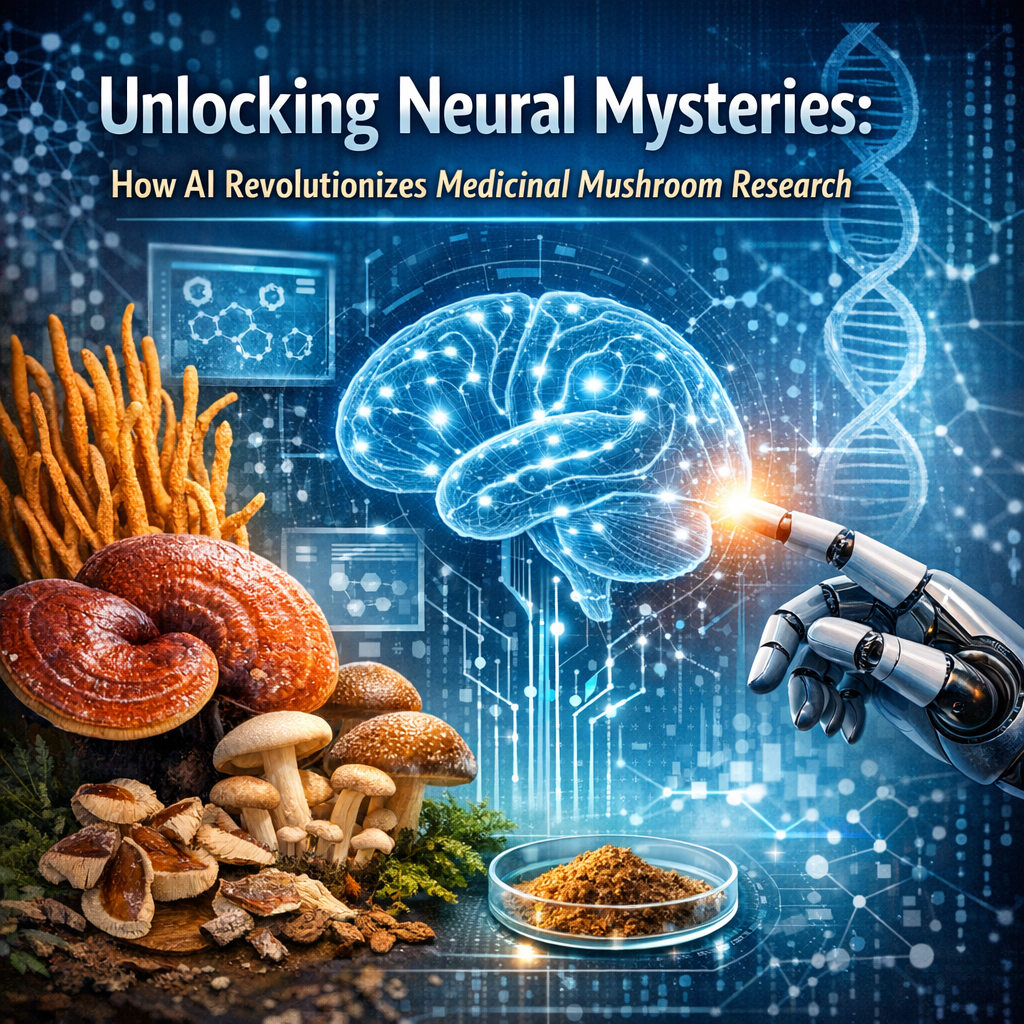
Unlocking Neural Mysteries: How AI Revolutionizes Medicinal Mushroom Research
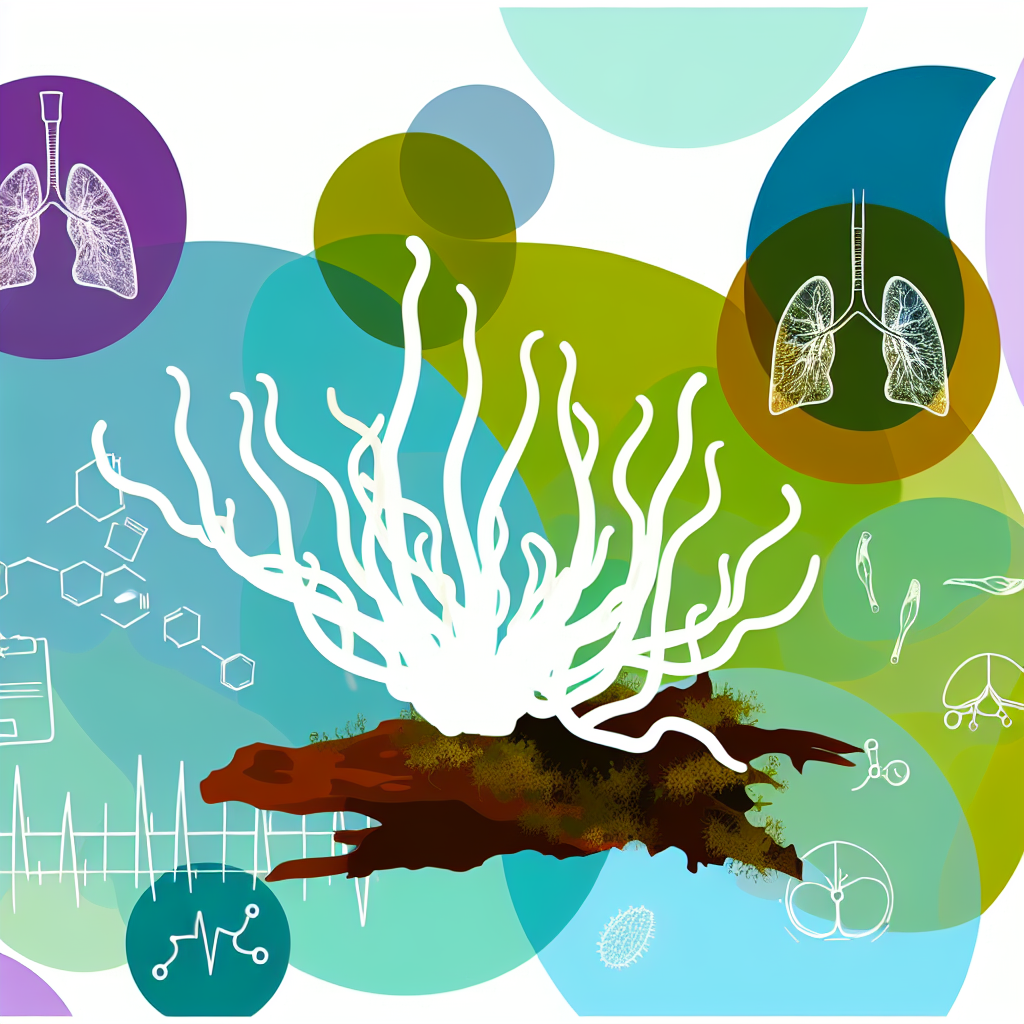
In recent years, the intersection of **artificial intelligence (AI)** and healthcare has unleashed a new wave of innovation, particularly in the field of **medicinal mushroom research**. **Medicinal mushrooms**, a subset of fungi with potential health benefits, have been used in traditional medicine for centuries across various cultures. Their bioactive compounds, such as **polysaccharides**, **triterpenoids**, and **phenolic compounds**, have been studied for their potential therapeutic effects, such as **immune modulation**, **anti-inflammatory properties**, and **neuroprotection**.
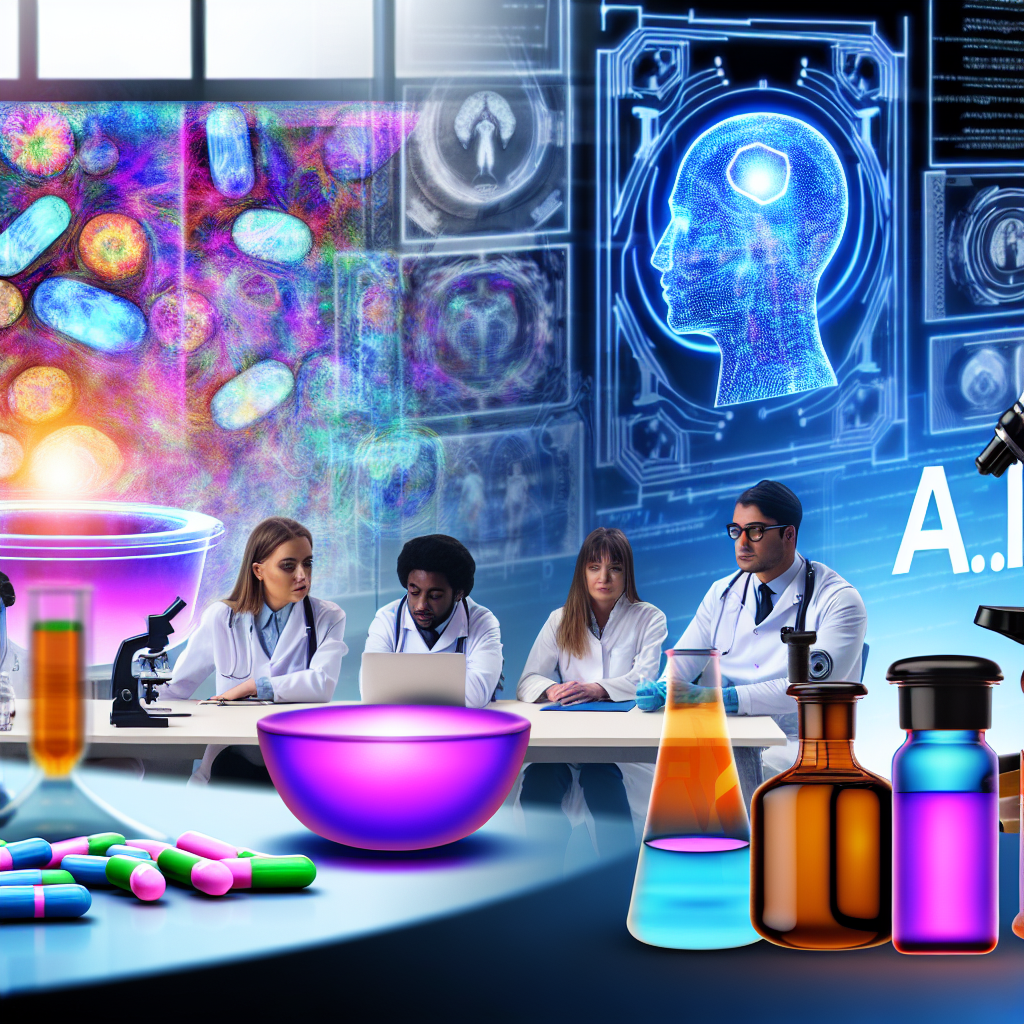
AI provides a rich toolkit for addressing the complexities and vast datasets that traditional research methods often struggle with. AI’s capabilities in data analysis and pattern recognition are invaluable in mapping the numerous bioactive compounds found in mushrooms and understanding their potential health impacts. By analyzing genetic, biochemical, and clinical data, AI can elucidate neural and physiological pathways that might otherwise remain hidden.
One major advantage of AI is the acceleration of drug discovery processes. AI can screen vast digital libraries of **chemical compounds** derived from mushrooms, predicting which might interact with specific biological targets before they ever reach the laboratory bench. This not only saves time but also significantly reduces research costs. Furthermore, AI technologies like **machine learning** can sift through clinical trial data to identify patient subgroups more likely to respond to mushroom-based therapies, thus personalizing and optimizing treatment protocols.
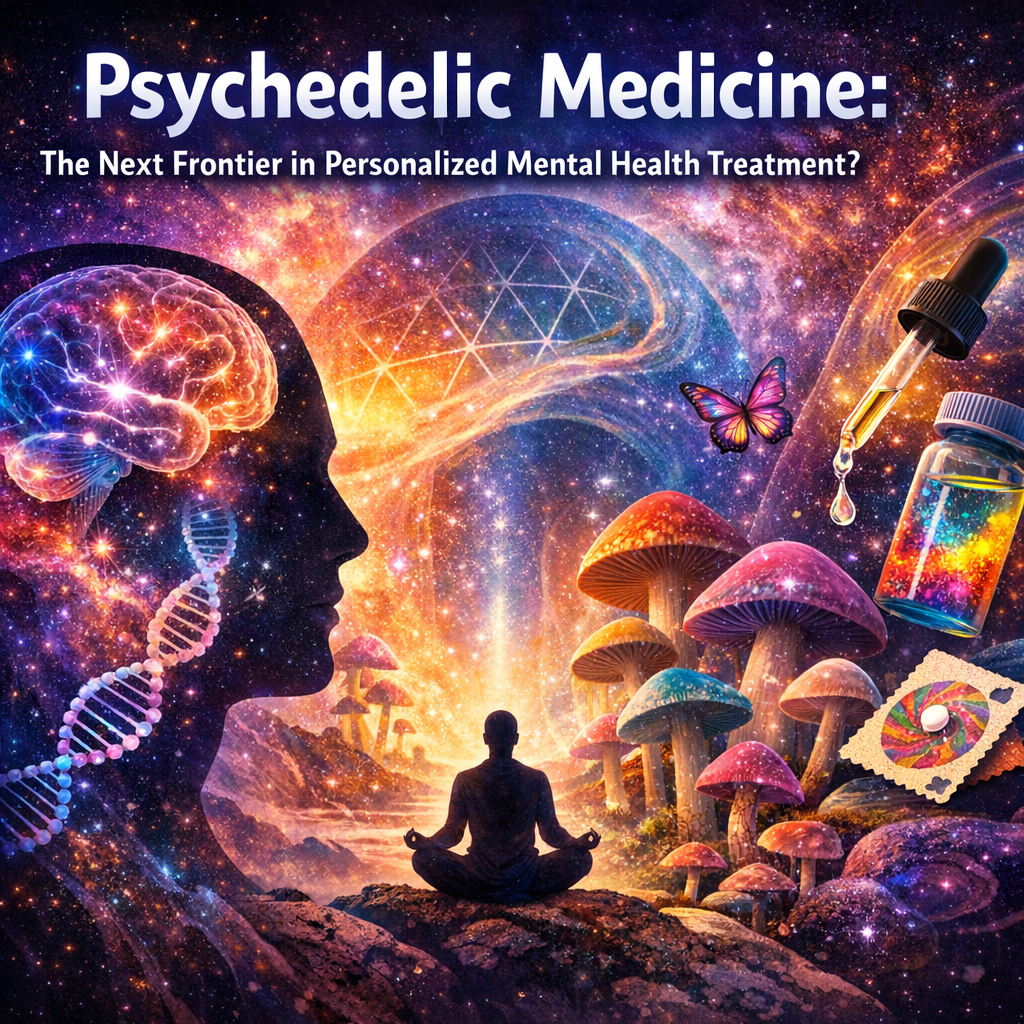
AI’s computational power allows for an in-depth study of the neural network effects of **psychedelic mushrooms**, such as **psilocybin**, in mental health treatments. With mental health disorders becoming a growing concern worldwide, the potential of AI-driven research to revolutionize the use of psilocybin in treating conditions like **depression**, **anxiety**, and **PTSD** is exciting. Advanced algorithms can process brain imaging data to demonstrate how psilocybin affects brain connectivity and function, adding a layer of understanding that manual methods could never achieve.
Features: Professional and Medical Studies
The revolutionary potential of AI in mushroom research is gaining significant traction in scientific circles. A pivotal study published in *Nature: Scientific Reports* showcases how machine learning models are being deployed to predict the therapeutic outcomes of bioactive compounds found in mushrooms like **Reishi** and **Lion’s Mane (Hericium erinaceus)**. These fungi have been studied for their neuroprotective properties, especially their role in nerve growth factor synthesis, which is crucial for nerve health and repair.
Furthermore, the University of Exeter has made strides with AI algorithms that analyze large datasets to pinpoint the exact molecular structures of compounds in medicinal mushrooms that show promise in slowing down degenerative diseases like **Alzheimer’s**. This is a significant step forward as researchers aim to design targeted therapies utilizing mushrooms’ natural compounds.
In the realm of psychedelic treatment, a review in the *Journal of Psychopharmacology* underscores the vast potential of AI to optimize psilocybin applications in psychiatry. The integration of AI with functional magnetic resonance imaging (fMRI) allows scientists to visualize the changes in neural connectivity triggered by psilocybin. This provides new insights into its therapeutic mechanisms and helps refine treatment dosages and protocols.
AI’s influence extends beyond just theoretical applications. Companies in the biopharmaceutical sector, like **MindMed** and **COMPASS Pathways**, are actively using AI-driven platforms to enhance the efficacy and safety profiles of psilocybin treatments in clinical trials. These companies are laying the groundwork for mainstream therapeutic applications of formerly stigmatized psychedelic substances.
Conclusion
The synergy between artificial intelligence and medicinal mushroom research unveils unprecedented possibilities for healthcare innovation. As AI continues to unlock neural mysteries, the future of mushroom-based therapies looks brighter and more personalized than ever before. By marrying cutting-edge technology with nature’s age-old remedies, we step closer to a new era of medicine that is both effective and attuned to the complexities of the human body. For more information on how these developments unfold, visit ShroomFan.
**Concise Summary**: The integration of artificial intelligence with medicinal mushroom research is revolutionizing healthcare by accelerating drug discovery, personalizing treatments, and enhancing our understanding of therapeutic mechanisms. AI’s data analysis capabilities enable researchers to identify bioactive compounds, predict therapeutic outcomes, and optimize psychedelic treatments like psilocybin for mental health disorders. Innovations from universities and biopharmaceutical companies highlight AI’s transformative role in advancing effective and personalized healthcare solutions.

Dominic E. is a passionate filmmaker navigating the exciting intersection of art and science. By day, he delves into the complexities of the human body as a full-time medical writer, meticulously translating intricate medical concepts into accessible and engaging narratives. By night, he explores the boundless realm of cinematic storytelling, crafting narratives that evoke emotion and challenge perspectives. Film Student and Full-time Medical Writer for ContentVendor.com