Psychedelic Medicine Meets AI: Revolutionizing Psilocybin Integration with Predictive Analytics
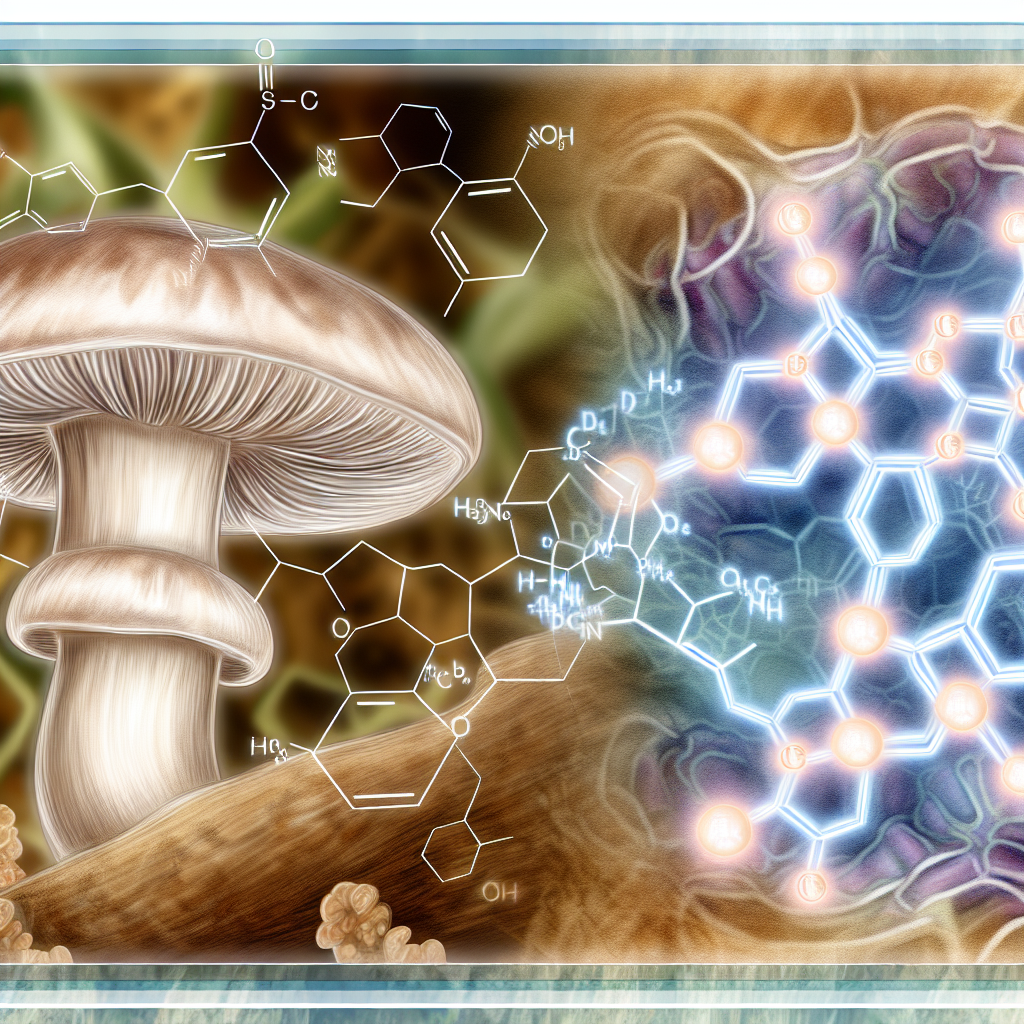
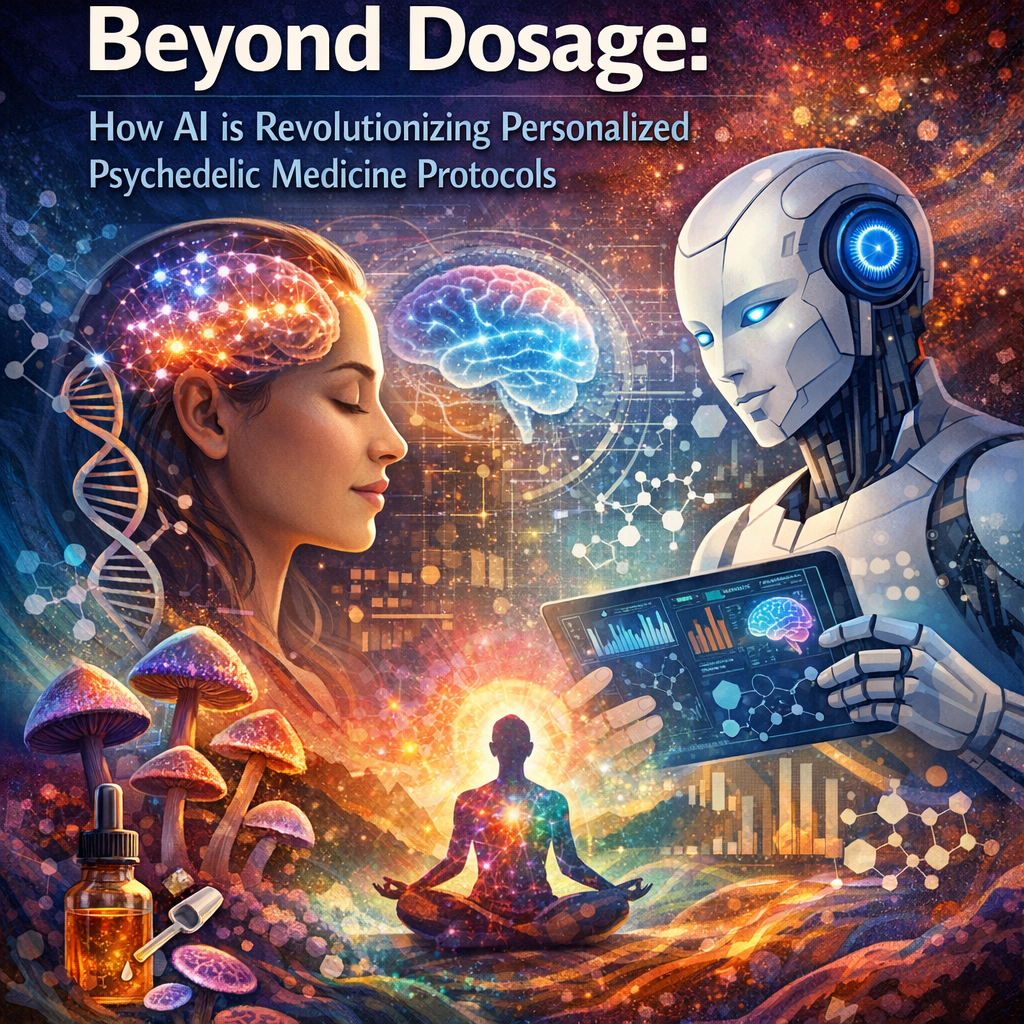
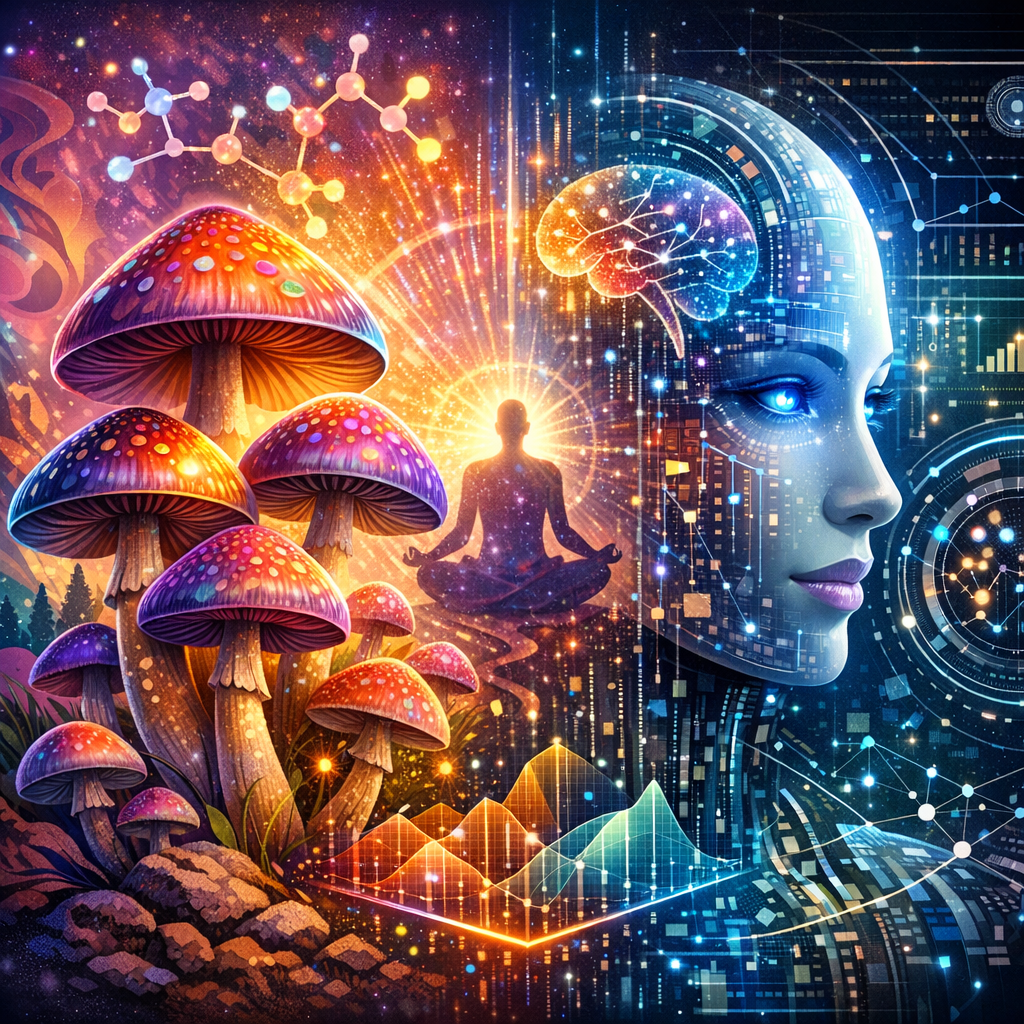
In recent years, the buzz surrounding **psychedelic medicine** has reached unprecedented levels, with **psilocybin** gaining particular traction for its promising **therapeutic benefits**. Often found in **magic mushrooms**, psilocybin is being touted as a groundbreaking treatment for a range of **mental health disorders**, including **depression**, **PTSD**, and **anxiety**. But as with many emerging therapies, the optimal integration of this psychedelic compound into mainstream medicine faces challenges. Enter **artificial intelligence (AI)** and **predictive analytics**—a combination poised to radically transform the landscape of psilocybin-based treatments.
AI’s Role in Psychedelic Therapy
The promise of AI in medicine is not new; however, its application within the realm of psychedelic therapy stands on the forefront of innovation. **Predictive analytics**, a branch of AI focusing on predicting future trends based on historical data, holds immense potential for tailoring psilocybin treatments to individual patient needs. This is crucial in managing the variability in patient responses to psychoactive treatments, ensuring that therapeutic interventions are both effective and safe.
Customization through AI
AI-driven models can analyze vast datasets, incorporating variables such as **genetic information**, **patient history**, and even real-time metabolic responses, to predict the most effective psilocybin dosages and therapy protocols. This level of customization could be particularly beneficial in **psychiatry**, where treatment outcomes can be notoriously unpredictable. Imagine a future where one’s specific neurological and physiological profile guides a tailored psychedelic treatment regimen—this is no longer a distant dream but an unfolding reality.
AI in Clinical Development
Beyond individual treatment plans, AI can contribute to more significant clinical developments. For instance, it can streamline the development of new therapeutic protocols by identifying patterns and correlations in data that human researchers might overlook. This capability not only accelerates the research process but also optimizes clinical trial designs, potentially leading to faster regulatory approvals and broader acceptance of psilocybin therapy.
Features: Harnessing Data for Improved Outcomes
The scientific community has embarked on numerous studies exploring the **therapeutic potential** of psilocybin, often yielding compelling evidence of its efficacy. Key among these is the work conducted by researchers at institutions like **Johns Hopkins University**, which has been at the forefront of psychedelic research. Their findings suggest that psilocybin has significant, sustained effects in reducing depression and anxiety, particularly in patients unresponsive to conventional treatments. [Johns Hopkins Medicine](https://www.hopkinsmedicine.org/news/newsroom/news-releases/psychedelic-treatment-with-psilocybin-relieves-major-depression-study-shows)
However, the effectiveness of psilocybin is not uniform across all individuals, which is where AI and predictive analytics come into play. Studies have shown that personalized medicine approaches can dramatically improve therapeutic outcomes in various medical fields, including cancer. Applying similar methodologies to psilocybin therapy could revolutionize its integration into psychiatric treatment protocols by precisely predicting patient responses based on comprehensive data analysis. [Nature](https://www.nature.com/articles/d41586-018-05231-x)
Moreover, real-world evidence from clinical settings indicates that AI models can process complex data from wearable devices and genetic testing, providing real-time insights that guide treatment adaptations. For example, biometric sensors could continuously monitor a patient’s physiological responses during a psilocybin session, while AI algorithms interpret this data to modulate treatment in real-time.
Pharmaceutical companies and research labs are already exploring AI’s applications to predict psilocybin’s interactions with other medications—a critical area given the potential for adverse effects. Through analyzing extensive datasets, AI can foresee and mitigate risks, ensuring patient safety and enhancing therapeutic efficacy.
Conclusion: A New Era of Psychedelic Treatment
The integration of psilocybin into mainstream medicine, facilitated by AI and predictive analytics, heralds a new era in psychiatric treatment. By enabling personalized and adaptive therapy protocols, this revolutionary combination offers the promise of improved outcomes for patients worldwide, potentially transforming how mental health disorders are managed. As the synergy between AI and psychedelic medicine continues to unfold, we may witness significant advancements in both understanding and treating complex mental health conditions, redefining the contours of modern psychiatry.
**Summary:**
Psychedelic medicine, particularly **psilocybin**, is experiencing a revolution through the integration of **artificial intelligence (AI)** and **predictive analytics**. This technological innovation fosters personalized treatment by analyzing vast datasets to tailor therapy based on individual patient profiles, improving efficacy and safety. As AI models identify patterns and streamline clinical developments, they can expedite regulatory processes, promoting wider acceptance of psilocybin in psychiatry. Real-world cases show AI’s potential to guide adaptive therapy protocols via real-time insights from biometric sensors and genetic testing, ultimately transforming psychiatric treatments. Institutions like **Johns Hopkins University** underscore the promise of AI-enhanced psychedelic therapy in treating complex mental health conditions.

Dominic E. is a passionate filmmaker navigating the exciting intersection of art and science. By day, he delves into the complexities of the human body as a full-time medical writer, meticulously translating intricate medical concepts into accessible and engaging narratives. By night, he explores the boundless realm of cinematic storytelling, crafting narratives that evoke emotion and challenge perspectives. Film Student and Full-time Medical Writer for ContentVendor.com