Uncharted Frontiers: How Psychedelics Could Decode the Secrets of Human Consciousness
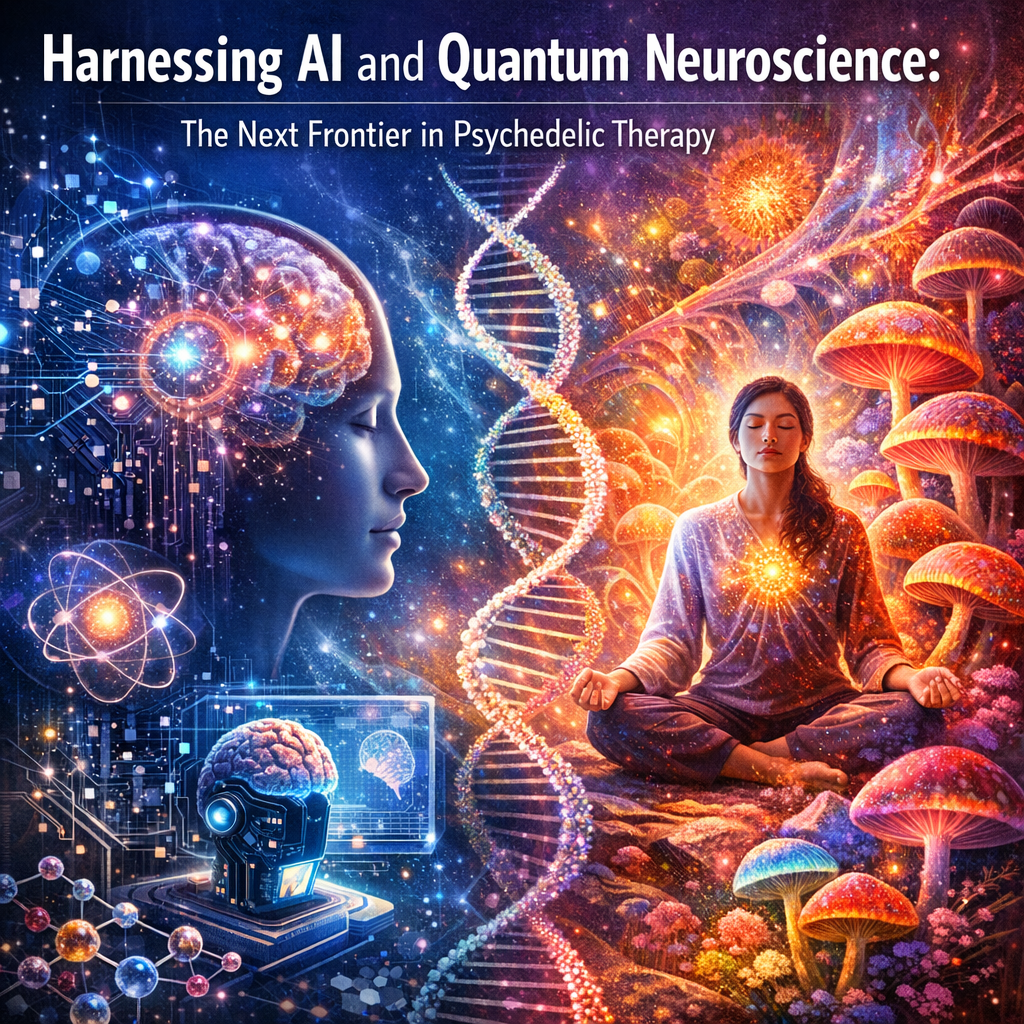
In recent years, the mysterious world of **psychedelics** has captured the attention of **scientists**, **therapists**, and **curious minds** alike. These substances, particularly **psilocybin**—an active ingredient in certain **mushrooms**—are no longer relegated to fringe culture. Instead, they are stepping into the limelight of **mainstream scientific investigation** for their potential to unlock the secrets of **human consciousness**. The exploration of consciousness has always been one of the greatest frontiers in **science**, **philosophy**, and **medicine**. Understanding consciousness—the essence of what makes us aware and capable of experiencing life—has intrigued and puzzled thinkers for centuries.
**Psychedelics** offer a novel lens through which to examine **consciousness** because of their profound and direct effects on **perception**, **emotion**, and **cognition**. They allow us temporarily to step outside the habitual frameworks that define our everyday experience. This has led researchers to propose that psychedelics, like **psilocybin**, might be crucial tools in decoding the neural networks and processes that underlie **conscious awareness**.
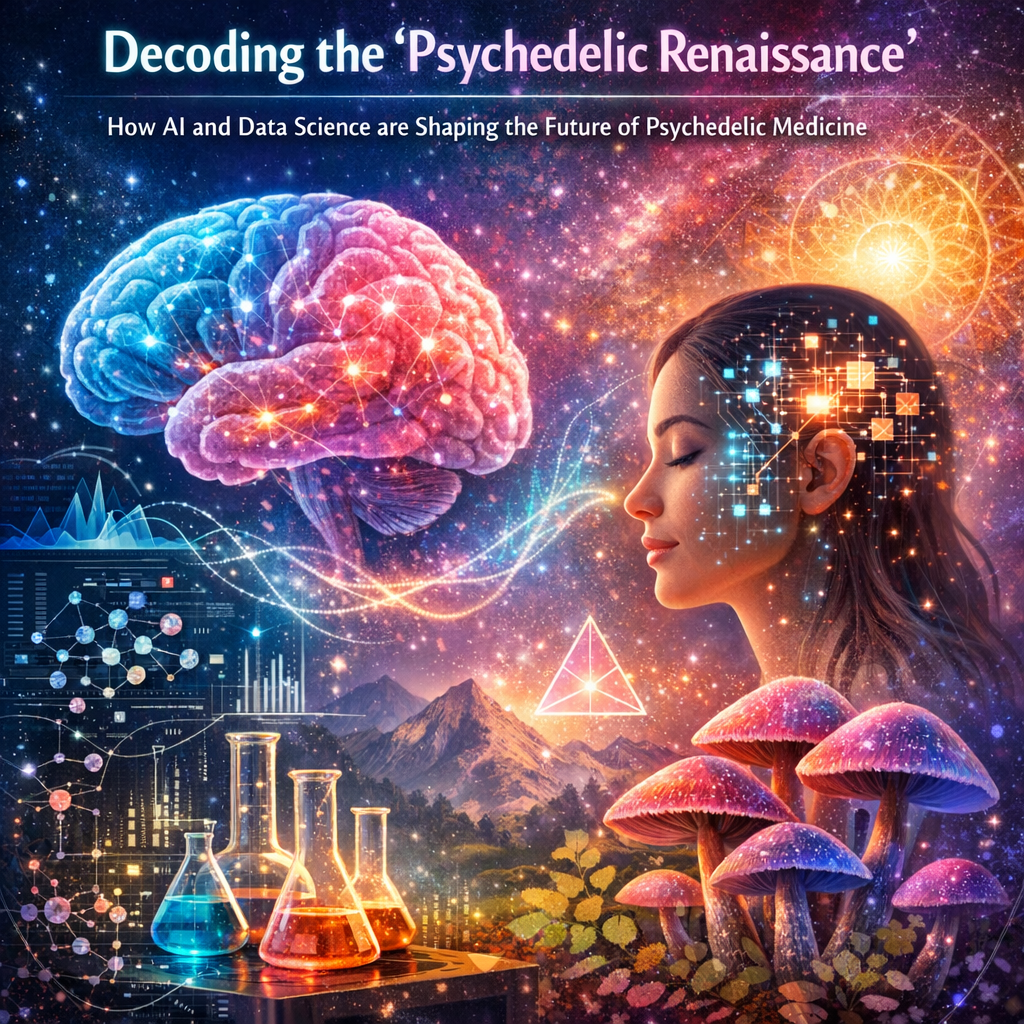
In an era marked by an increasing prevalence of **mental health disorders**, the exploration of such avenues could herald a new dawn of **therapeutic possibilities**. The current interest in psychedelics is reminiscent of a renaissance—revitalizing the cultural and scientific insights that were beginning to flower in the 1960s before emerging political and social pressures abruptly halted their progress. Today, legal and scientific landscapes are shifting once more to accommodate this research, facilitating a cautious, yet optimistic exploration of the potential for these substances to treat **mental health conditions** resistant to traditional therapies.
**Spearheading this modern resurgence**, various researchers and institutions are conducting rigorous studies on the enduring effects that psychedelic administration has on the human brain. These studies not only reaffirm the promising results of earlier investigations but also pioneer new territory that could **redefine our understanding of the mind**—a fusion of neural mechanics and conscious experience.
Features:
Recent scientific inquiries into the effects of **psychedelics** on consciousness and brain function are beginning to reveal compelling insights. A prominent study conducted by the [Center for Psychedelic Research at Imperial College London](https://www.imperial.ac.uk/psychedelic-research-centre/) has illustrated that psychedelics such as **psilocybin** can induce a state of heightened brain connectivity. This state is associated with increased neural plasticity, essentially allowing the brain to rewire and alter its structure more readily. To expand, this finding has significant implications for treating mental health conditions that are characterized by rigid neural processes, such as **depression** and **anxiety**. Unique within this process, psilocybin disrupts patterns of communication within the **default mode network**—a brain network implicated in self-referential thought and consciousness. By elevating the connectivity across other brain networks, participants in the study reported diminished symptoms of depression and anxiety, leading researchers to theorize that psychedelics can facilitate significant therapeutic outcomes through these pathways.
Moreover, a 2021 study published in the [“New England Journal of Medicine”](https://www.nejm.org/doi/full/10.1056/NEJMoa2032994) found that psilocybin was as effective as a leading antidepressant in treating moderate to severe depression. This study involved a **double-blind comparison** and pointed to the potential of **psychedelics** to redefine approaches to mental health treatment. The patients who received psilocybin reported not only relief from their symptoms but also transformative experiences that altered their perspective long after the effects of the drug had worn off.
Another research project, from [Johns Hopkins University](https://www.hopkinsmedicine.org/psychiatry/research/psychedelics-research.html), examined the effects of psilocybin on individuals suffering from anxiety and distress related to life-threatening cancer diagnoses. The outcomes revealed substantial and sustained improvements in emotional well-being, attributed largely to profound personal and spiritual insights reportedly experienced by participants. These studies underscore a burgeoning recognition of psychedelics as significant tools in understanding human consciousness and transforming therapeutic practices.
Conclusion:
As psychedelic research progresses, it promises not only to unveil layers of **human consciousness** but also potentially to revolutionize **mental health treatments**. Beyond the clinical impacts, the expanded understanding of perception, self-awareness, and meaning could enrich numerous facets of human life. As we stand at the brink of these uncharted frontiers, the collaborative work of scientists, therapists, and policymakers will be crucial in ensuring safe, informed, and ethical exploration of the boundless possibilities that **psychedelics** present.
References:
1. [Imperial College London’s Psychedelic Research](https://www.imperial.ac.uk/psychedelic-research-centre/)
2. [New England Journal of Medicine – Psilocybin vs. Antidepressant](https://www.nejm.org/doi/full/10.1056/NEJMoa2032994)
3. [Johns Hopkins Psilocybin Research](https://www.hopkinsmedicine.org/psychiatry/research/psychedelics-research.html)
**Concise Summary:**
Recent investigations into **psychedelics** suggest these substances, particularly **psilocybin**, could unravel the complexities of **human consciousness** and offer new **therapeutic avenues** for treating **mental health disorders** resistant to conventional methods. Studies from institutions like **Imperial College London** and **Johns Hopkins University** reveal that psychedelics enhance brain connectivity, leading to improved mental health outcomes and transformative personal experiences. As interest in these substances grows, it may lead to a burgeoning field focused on integrating **scientific, philosophical, and therapeutic insights** to revolutionize mental health treatments.

Dominic E. is a passionate filmmaker navigating the exciting intersection of art and science. By day, he delves into the complexities of the human body as a full-time medical writer, meticulously translating intricate medical concepts into accessible and engaging narratives. By night, he explores the boundless realm of cinematic storytelling, crafting narratives that evoke emotion and challenge perspectives. Film Student and Full-time Medical Writer for ContentVendor.com