Beyond Psilocybin: Exploring the Untapped Potential of Non-Psychedelic Medicinal Mushrooms in Modern Consciousness Science
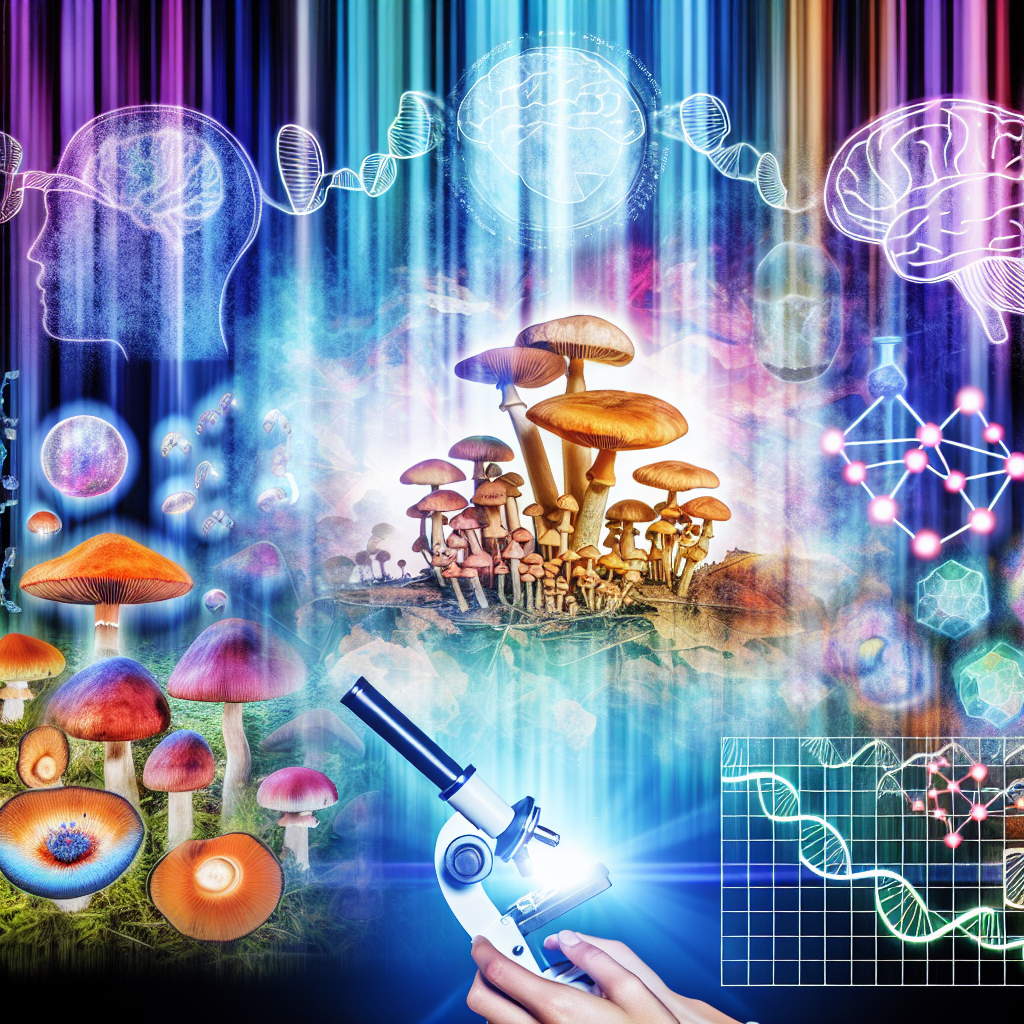
In recent years, **psilocybin mushrooms** have garnered significant attention in both scientific communities and popular media for their potential in treating various **mental health conditions**. However, as interest in psilocybin eclipses the broader field of **mycology**, it becomes essential to spotlight the rich therapeutic potential of non-psychedelic medicinal mushrooms. While psilocybin has shown promising results in altering consciousness and aiding mental health therapy, the broader spectrum of fungi offers myriad benefits that can enhance mental well-being, support cognitive function, and promote overall health without altering perceptual reality.
**Non-psychedelic medicinal mushrooms** like Lion’s Mane (**Hericium erinaceus**), **Reishi** (**Ganoderma lucidum**), and **Chaga** (**Inonotus obliquus**) are gaining attention because they are packed with bioactive compounds that have been linked to improved **brain health**, enhanced mood, and better **immune function**. As the 21st century poses unique challenges to mental health and cognitive resilience, these mushrooms embody untapped potential in supporting our journey toward better consciousness. Unlike psilocybin, which primarily acts on **serotonin receptors** to produce its effects, non-psychedelic medicinal mushrooms operate through various pathways, offering subtler yet powerful support to the **neural landscape** and **human consciousness**.
In eastern traditions, medicinal mushrooms have been heralded for centuries for their health-promoting properties. Contemporary science is beginning to validate what ancient wisdom has long known, as modern studies investigate their **neuroprotective**, anti-inflammatory, and **antioxidant properties**. As research unfolds, showcasing how these fungi uniquely influence **brain function** and mental health, interest from medical professionals and the public alike is intensifying.
Understanding how non-psychedelic mushrooms can influence our health requires delving into modern scientific studies that evaluate their contributions to **cognitive enhancement** and **emotional stability**. This not only expands our understanding of medicinal mushrooms beyond their psychedelic relatives but also highlights their viable applications in supporting the wellness of mind and body, adapting to the evolving challenges of modern life, and optimizing the human experience.
Features of Non-Psychedelic Medicinal Mushrooms
Recent research showcases how non-psychedelic medicinal mushrooms can contribute to **cognitive health** and **emotional well-being**. For instance, **Lion’s Mane mushroom** has captured the spotlight due to its potential brain-boosting properties. Studies have suggested that compounds in Lion’s Mane, such as **hericenones** and **erinacines**, can stimulate the synthesis of **nerve growth factor** (NGF), crucial for maintaining the health and regeneration of neurons in the brain. A study published in the [*Journal of Agricultural and Food Chemistry*](https://pubs.acs.org) noted that these compounds might enhance **cognitive function** and memory, opening new avenues for developing treatments for neurodegenerative diseases such as **Alzheimer’s**.
**Reishi mushroom**, also known as the “mushroom of immortality,” boasts **adaptogenic properties** that help regulate the body’s response to **stress** and support **emotional balance**. Research published in [*Neuropharmacology*](https://www.sciencedirect.com) has highlighted the mushroom’s capacity to modulate the central nervous system, potentially reducing **anxiety** and **depression symptoms** without the psychoactive effects linked to psilocybin. Reishi’s **triterpenoids** are speculated to play a role in its **mood-regulating** properties, providing a natural way to bolster emotional health.
**Chaga mushroom**, rich in **antioxidants**, supports immune function and reduces **oxidative stress**, which can have downstream effects on mental clarity and cognitive health. An article in the [*International Journal of Medicinal Mushrooms*](https://www.begellhouse.com) highlighted Chaga’s potential in fighting **inflammatory cytokines**, which are often implicated in mood disorders and cognitive decline. This anti-inflammatory action could mean better long-term brain health and a more resilient mood.
Highlighting these functional benefits underscores the untapped potential of non-psychedelic mushrooms in consciousness science. As more individuals seek natural pathways to enhance mental health and cognitive function, these mushrooms represent an emerging frontier in holistic health and modern consciousness science.
Conclusion
While psilocybin continues to captivate researchers and the public with its transformative potential, the quiet but profound benefits of non-psychedelic medicinal mushrooms are not to be overlooked. By fostering brain health, supporting emotional resilience, and enhancing immune balance, these fungi hold significant promise in modern consciousness science and health optimization. As ongoing research continues to uncover their multifaceted roles, medicinal mushrooms may soon play an essential part in the repertoire of natural approaches to enhancing mental well-being and cognitive function.
**Concise Summary**
Non-psychedelic medicinal mushrooms like Lion’s Mane, Reishi, and Chaga offer a wealth of therapeutic benefits beyond the psychedelic effects of psilocybin mushrooms. Rich in bioactive compounds, these mushrooms enhance cognitive function, emotional balance, and immune health. Their effects, supported by scientific studies, include stimulating nerve growth, reducing anxiety, and combatting inflammation. This comprehensive approach to mental and physical well-being provides a natural avenue for addressing 21st-century challenges in mental health and consciousness science. As research progresses, these mushrooms may become integral to optimizing our holistic health.

Dominic E. is a passionate filmmaker navigating the exciting intersection of art and science. By day, he delves into the complexities of the human body as a full-time medical writer, meticulously translating intricate medical concepts into accessible and engaging narratives. By night, he explores the boundless realm of cinematic storytelling, crafting narratives that evoke emotion and challenge perspectives. Film Student and Full-time Medical Writer for ContentVendor.com