The Role of Psychedelic Modulation in Enhancing Neuroplasticity for Chronic Pain Management
**Chronic pain** is a debilitating condition affecting millions globally, often resulting in physical limitations and reduced quality of life. Traditional treatments like opioids bring significant side effects and addiction risks, prompting interest in alternative therapies. **Psychedelic drugs** are gaining attention for potential pain management by enhancing **neuroplasticity**—the brain’s ability to reorganize itself with new neural connections. **Psilocybin**, the active compound in ‘magic’ mushrooms, leads this research.
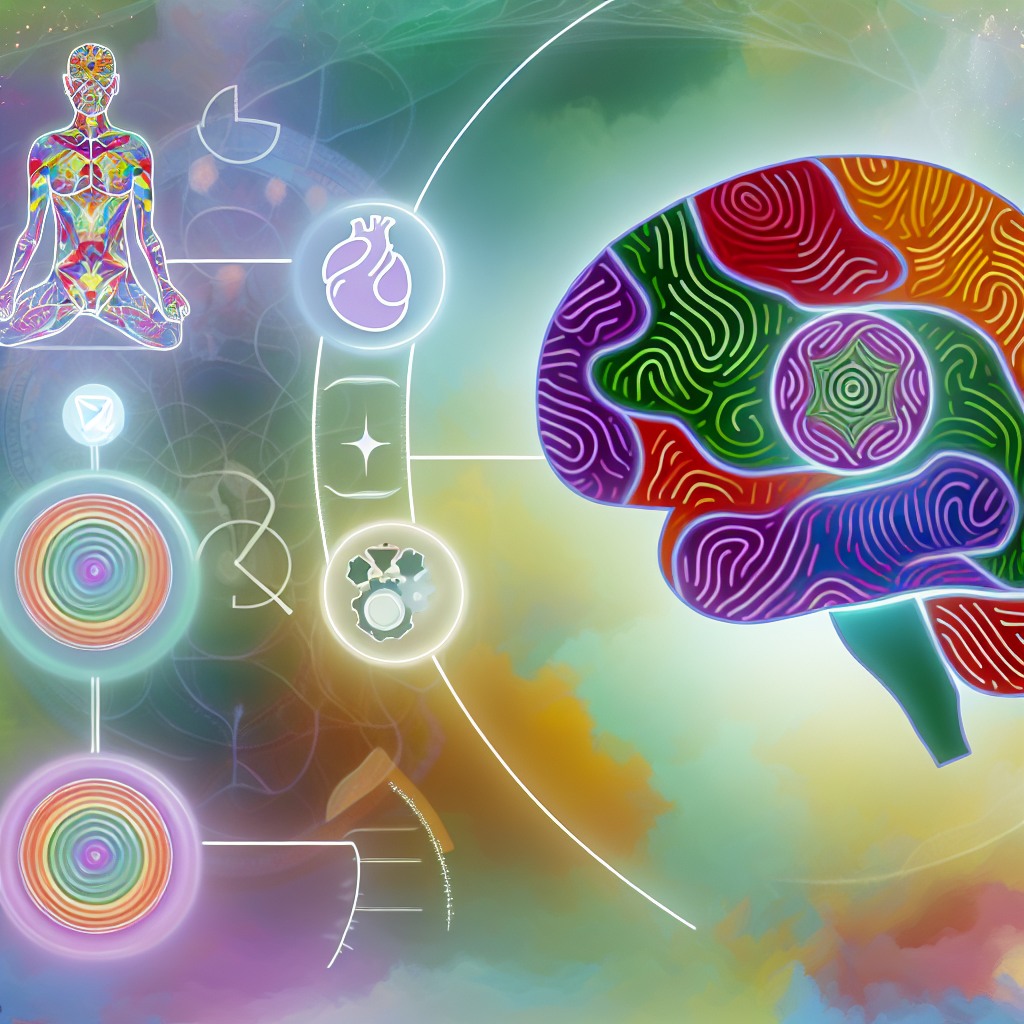
Psychedelics have been historically used in various cultures for healing and consciousness expansion. Modern science has renewed interest in their potential to positively alter brain function. **Psilocybin** is converted to psilocin upon ingestion, affecting **serotonin receptors** in the brain, potentially offering therapeutic effects beyond altered perceptions. Studies suggest it enhances connectivity between brain regions, directly linked to neuroplasticity. This enhanced state may restructure pathways in pain perception and response, offering a novel approach to chronic pain management.
Neural networks related to chronic pain are deeply embedded, influenced by psychological, emotional, and physical factors. Psychedelics like psilocybin may help rewire these networks, promoting new pain-processing methods that diminish chronic pain. Additionally, psychedelic experiences may lead to profound psychological insights and emotional release, critical in pain management. For those trapped in pain cycles, these cognitive shifts can foster relief and empowerment.
Features of Psychedelic-Induced Neuroplasticity in Pain Management
The scientific community is increasingly interested in psychedelics’ medicinal applications, with studies highlighting their efficacy in improving neuroplasticity. A study in *[Cell Reports](https://www.cell.com/cell-reports/fulltext/S2211-1247(18)31012-8)* indicates psychedelics promote structural and functional neural plasticity, crucial for neural communication. Psychedelics help grow **dendritic spines** and synapses.
Research by [Imperial College London](https://www.imperial.ac.uk/news/187621/psilocybin-treats-depression-resetting-brain/) found psilocybin reduces activity in the brain’s **default mode network (DMN)**, regions active during rest. Reduced DMN activity increases brain connectivity, promoting neuroplasticity. This process is linked to ‘ego-dissolution’ experiences during psychedelic trips, beneficial for resetting brain function related to chronic pain pathways.
A comprehensive study in *[Neuropharmacology](https://www.sciencedirect.com/journal/neuropharmacology)* explored how psychedelics influence brain plasticity, potentially recreating healthier pain-processing pathways. This neuroregenerative capacity is under investigation for treating chronic pain and other neural-based conditions like depression and PTSD, often coexisting with chronic pain.
Preliminary findings, though needing more clinical trials, are promising, suggesting that controlled, therapeutic use of psychedelics like psilocybin can lead to lasting brain function changes. Anecdotal reports and smaller case studies align with these findings, showing significant reductions in chronic pain and related emotional distress post-psychedelic therapy sessions.
Conclusion
Psychedelic modulation’s potential to enhance neuroplasticity presents a revolutionary chronic pain management approach. By promoting new neural connections and offering psychological insights, **psychedelics** like psilocybin may relieve those unresponsive to traditional therapies. Ongoing research and clinical trials will continue to illuminate this promising field, offering hope for more effective and sustainable pain management strategies in the future.
Concise Summary
Chronic pain affects millions globally, and traditional treatments often pose addiction risks. Psychedelic drugs, particularly psilocybin, are garnering interest for their potential in pain management by enhancing neuroplasticity. This process may rewire chronic pain pathways, offering new pain-processing methods. Studies show psilocybin increases neural connectivity, linked to neuroplasticity, and may alleviate pain. Research highlights psychedelics’ neuroplasticity-inducing effects, marking a potential shift in chronic pain management. Controlled therapeutic use shows promise, meriting further exploration for sustainable and effective treatments.

Dominic E. is a passionate filmmaker navigating the exciting intersection of art and science. By day, he delves into the complexities of the human body as a full-time medical writer, meticulously translating intricate medical concepts into accessible and engaging narratives. By night, he explores the boundless realm of cinematic storytelling, crafting narratives that evoke emotion and challenge perspectives. Film Student and Full-time Medical Writer for ContentVendor.com