Redefining Consciousness: How AI Could Revolutionize Psychedelic Research and Integration
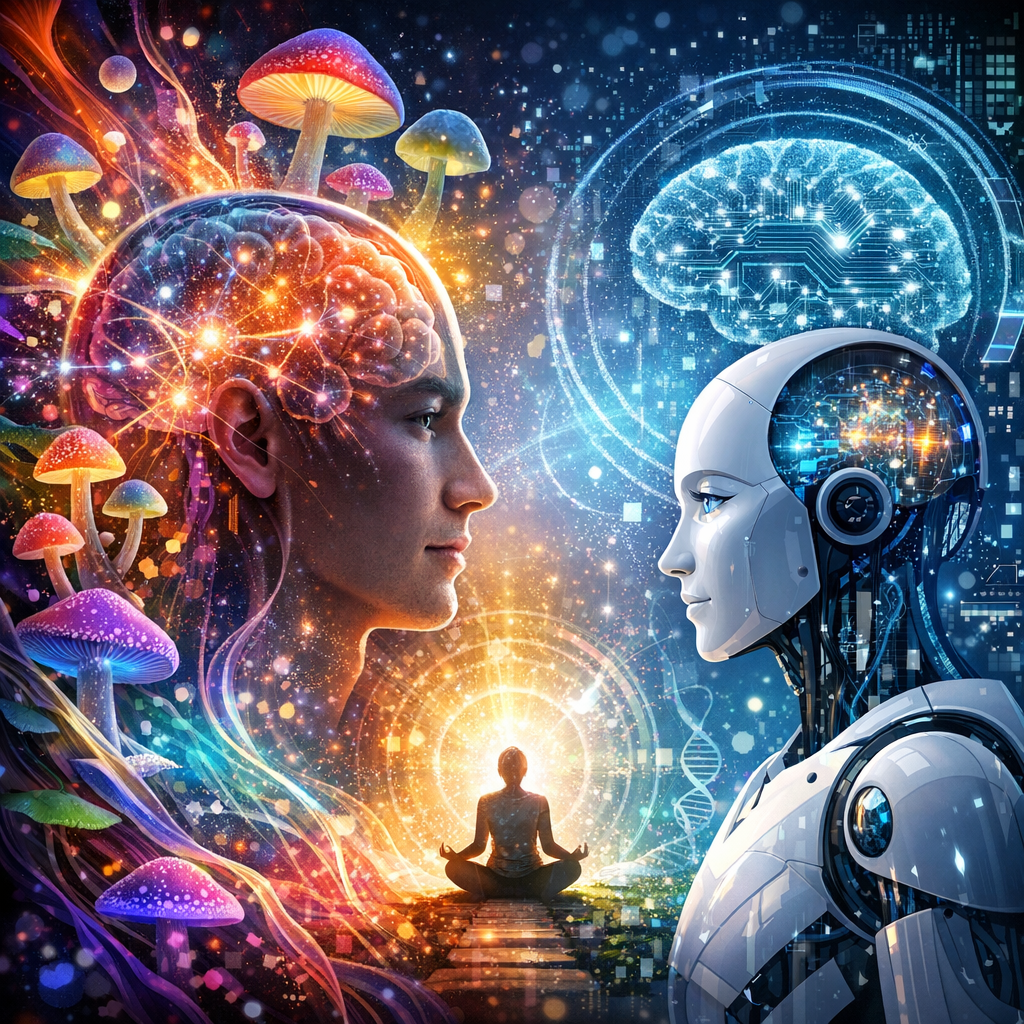
In recent years, the landscape of **psychedelic research** has experienced a significant transformation, shifting from **taboo** to **revolutionary**. **Psilocybin**, the active compound in **magic mushrooms**, has garnered attention for its potential therapeutic applications, from battling **depression** to helping with **PTSD** and **anxiety disorders**. But what if there was a way to streamline and enhance this burgeoning field further? Enter **Artificial Intelligence (AI)**, a technological juggernaut reshaping numerous industries, now poised to revolutionize our understanding and application of psychedelics.
At its core, the potential for **AI in psychedelic research** lies in its capacity to process and analyze vast amounts of data quickly and accurately. Historically, the study of psychedelics has been hampered by legal restrictions, societal stigma, and limited funding. As a result, comprehensive data collection and analysis have been challenging. Now, AI offers researchers access to **advanced algorithms** and **machine learning models** that can sift through large datasets, identify patterns, and generate insights that would take humans far longer to uncover. This means that AI could accelerate the pace of discovery, allowing for more efficient hypothesis testing and result validation.
Moreover, AI has the power to personalize and optimize **psychedelic therapies**. By integrating patient data, including medical history, genetic information, and even psychological profiles, AI algorithms can help tailor treatments to individual needs. This approach could vastly improve therapeutic outcomes, minimizing risks and enhancing efficacy. Imagine psilocybin therapies so precise that they cater not just to a condition but to the unique needs of each individual’s biochemistry and life context. This vision is no longer the realm of science fiction, thanks to AI.
Beyond the laboratory, AI can play a pivotal role in public integration and policy shaping for psychedelics. By analyzing social media, news outlets, and public health data, AI can discern societal attitudes and shifts in real-time. This capability can offer critical insights for policymakers and advocacy groups working to change the legal framework surrounding psychedelics. It paves the way for evidence-based policy changes, ensuring they’re grounded in comprehensive data rather than anecdotal evidence or public misconceptions.
Features: Professional and Medical Studies
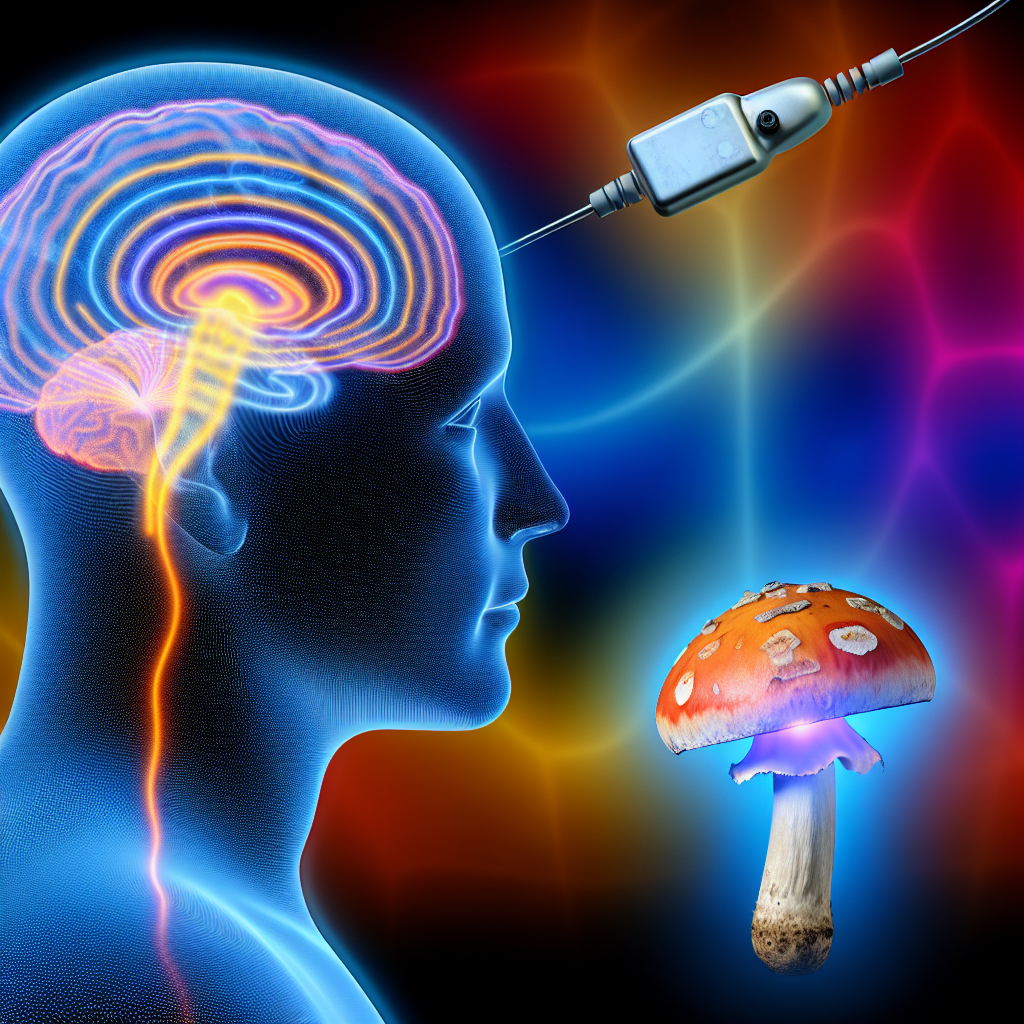
One groundbreaking study that highlights the role of AI in psychedelic research was conducted by researchers at [Imperial College London](https://www.imperial.ac.uk). The team used **machine learning** to analyze brain imaging data from **psilocybin participants**. Their findings revealed distinct changes in brain activity patterns during psychedelic experiences, a breakthrough in understanding how psilocybin affects brain connectivity and consciousness at a neural level. Utilizing AI allowed for a more nuanced analysis than traditional methods could offer, underscoring the potential for machine learning to decode the complexities of the psychedelic experience.
Moreover, a study by the [University of Toronto](https://www.psychedelicscience.org) explored the potential of AI in improving psychedelic therapy outcomes. The researchers employed predictive algorithms to categorize subjects based on their responsiveness to psilocybin therapy, tailoring individual treatment protocols. The study found significantly enhanced outcomes when AI-driven customization was applied, setting the stage for personalized psychedelic therapies.
In clinical settings, AI is proving invaluable in designing safer and more effective therapeutic protocols. [Johns Hopkins University](https://hopkinspsychedelic.org) has been at the forefront, employing AI to simulate the potential risks and benefits of psilocybin in varied therapeutic milieus. Their model uses data from thousands of psychedelic therapy sessions to refine and optimize therapeutic approaches continuously. This preemptive analysis can help avoid adverse effects and improve patient outcomes—a critical advancement in psychedelic-assisted therapy.
Furthermore, the insights gained from AI analyses are crucial for overcoming the historical stigma associated with psychedelics. The charity [MAPS](https://maps.org) (Multidisciplinary Association for Psychedelic Studies) has been harnessing AI to conduct meta-analyses on public discourse and legislative patterns, aiding their advocacy for policy reform. By spotlighting evidence of therapeutic benefits and societal acceptance, AI supports efforts to reframe psychedelics not as substances of abuse but as valid therapeutic tools.
Conclusion
As we stand on the cusp of a new era in psychedelic research, AI emerges as a formidable ally. Its capabilities in data analysis, therapeutic personalization, and public policy development illuminate pathways previously obscured by stigma and regulatory constraints. AI not only accelerates scientific discovery but also enriches the therapeutic and societal integration of psychedelics. By embracing this synergy, we can hope for more informed and inclusive conversations about **consciousness** and **mental health**, ultimately paving the way for a future where psychedelics are woven into the fabric of healthcare.
**Concise Summary:** The integration of **AI** into **psychedelic research** is revolutionizing the field by removing barriers and biases caused by societal and legal constraints. AI’s ability to analyze complex data enhances the pace of discovery and allows for personalized treatment plans, improving therapeutic outcomes. Studies at prominent institutions illustrate AI’s impact on understanding brain activity related to psychedelics and optimizing treatments. Beyond research, AI supports policy reform, combating stigma through data-driven insights. As AI continues to advance, it will further embed psychedelics into mainstream therapeutic practice, promoting more effective mental health treatment and societal acceptance.

Dominic E. is a passionate filmmaker navigating the exciting intersection of art and science. By day, he delves into the complexities of the human body as a full-time medical writer, meticulously translating intricate medical concepts into accessible and engaging narratives. By night, he explores the boundless realm of cinematic storytelling, crafting narratives that evoke emotion and challenge perspectives. Film Student and Full-time Medical Writer for ContentVendor.com