Why Psychedelic Startups Will Soon Need a Chief Integration Officer (and What That Role Actually Does)
In recent years, the **psychedelic industry** has surged forward with remarkable momentum, wielding the potential to revolutionize **mental health treatment**. As you’re reading on ShroomFan.com, you’re likely aware of the growing interest in the **therapeutic potential of psychedelics**, particularly **psilocybin**, a psychoactive compound found in certain mushrooms. **Governments** are beginning to recognize the promise these substances hold, leading to policy shifts and an increase in research funding. With this burgeoning sector, startups dedicated to psychedelic therapies are emerging rapidly—but their success depends on more than just innovative products and therapies.
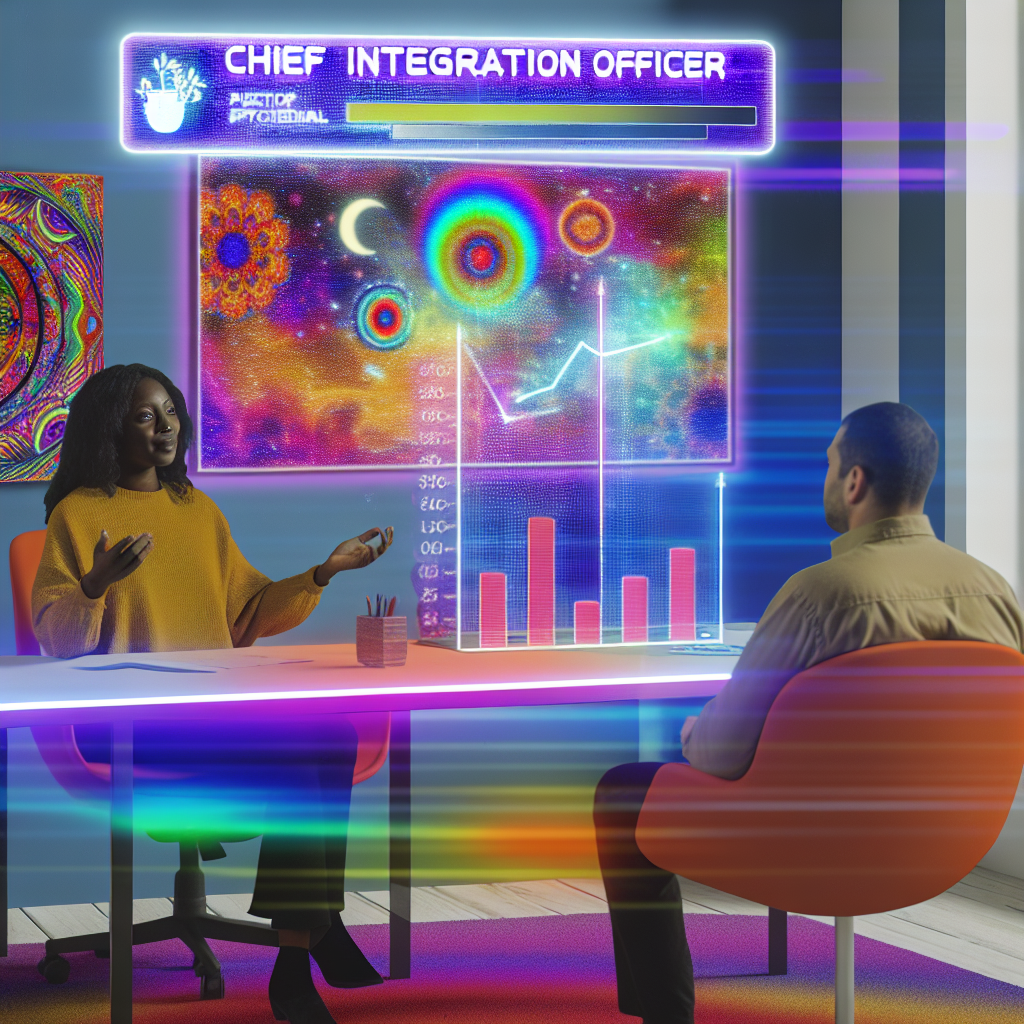
Central to this evolving landscape is the concept of **integration**, the critical process of incorporating **psychedelic experiences** into meaningful behavioral changes. This is where a **Chief Integration Officer (CIO)** can play a pivotal role. As psychedelic therapies become more mainstream, they will require not just scientific validation and **FDA approval** but a robust framework to ensure patients achieve optimal benefits from their treatments. Enter the CIO, a visionary position that will likely become essential in psychedelic startups. The role of the CIO extends beyond traditional executive duties, focusing on the patient’s journey, integrating therapeutic experiences, and ensuring that insights gained during psychedelic sessions translate into long-term well-being.
Understanding and harnessing the full potential of psychedelic therapies necessitates a sophisticated approach to patient care. **Psychedelic experiences** can be profound, eliciting powerful insights and **emotional breakthroughs**. However, without proper integration, these experiences may remain isolated, failing to produce lasting change. A CIO guides the development of integrative protocols, oversees practitioner training, and ensures that the company’s approach is well-rounded, patient-centered, and grounded in empirical research. As the industry matures, having a CIO will distinguish forward-thinking companies and set new standards for patient outcomes.
The established positions of **Chief Medical Officers** or **Chief Science Officers** in the pharmaceutical industry underscore the importance of specialized expertise at the executive level. However, psychedelic therapy’s unique facets—where psychological and spiritual dimensions intersect—require a dedicated focus on integration. The trajectory of psychedelic startups will invariably point towards incorporating this new, crucial role to address both the complexities and the possibilities of psychedelic-assisted therapies.
Emerging Research and Studies Supporting Integration
The role of the **Chief Integration Officer** becomes even more pertinent as we delve into emerging research. Numerous studies underscore the critical importance of integration in psychedelic therapy. For instance, a widely cited study published in the [*Journal of Psychopharmacology*](https://journals.sagepub.com/home/jop) has demonstrated that patients who engaged in integrative practices post-therapy showed marked improvements in mental health outcomes compared to those who did not. This research emphasizes that the therapeutic potential of psychedelics isn’t fully realized without effective integration strategies.
Moreover, a [clinical trial by researchers at Johns Hopkins University](https://www.hopkinsmedicine.org/news/media/releases/psilocybin-increases-mental-health-benefits-of-depression-care-find-johns-hopkins-researchers) revealed the profound effects that psychedelics like **psilocybin** can have on conditions such as **treatment-resistant depression** and **anxiety**. The study highlighted the necessity of post-session integration work to navigate complex emotional landscapes and implement insights into daily life. Some suggested techniques include mindfulness practices, cognitive-behavioral strategies, and ongoing support groups, all of which fall under the CIO’s jurisdiction.
The interdisciplinary nature of the Chief Integration Officer’s role also aligns with safety concerns and ethical considerations central to psychedelic therapy. Studies in the [*Journal of Psychedelic Studies*](https://www.degruyter.com/journal/key/jopedy/html) have pointed out that without careful integration, the potential for adverse psychological effects increases. This is particularly critical now, as mainstream interest in psychedelics could lead to misapplication or uninformed use without the guides that a CIO would implement.
Moreover, the rise of digital health solutions offers exciting avenues for integration. Platforms providing post-session tools, apps for monitoring mental health metrics, and wearable technology to track physiological responses are exponentially improving the ways experiences are harnessed. A CIO would be instrumental in blending these technological advancements with traditional therapeutic modalities to curate the most effective patient-centered care pathways.
Conclusion
The incorporation of a **Chief Integration Officer** within psychedelic startups is not just a trend but an essential evolution in harnessing the full potential of psychedelic therapies. As research increasingly validates the critical role of integration, this leadership position will ensure patients achieve profound, sustainable change. In an industry poised on the precipice of mainstream adoption, the CIO will be the guiding force in bridging the gap between transformative experiences and everyday wellness. This new landscape requires unique expertise, and those companies who seamlessly integrate these insights will lead the charge in unlocking a brighter future for **mental health treatment**.
**Concise Summary**
Psychedelic startups are set to revolutionize mental health treatment, emphasizing the need for a **Chief Integration Officer (CIO)** to ensure success. This role focuses on integrating psychedelic experiences into lasting behavioral changes. With research supporting its importance, a CIO develops post-session integration protocols and blends traditional methods with digital health tools. This role aligns with safety, ethical considerations, and maximizes therapeutic outcomes. As the industry matures, the CIO will guide companies in achieving sustainable patient outcomes, making them a key player in the future of mental health treatment.

Dominic E. is a passionate filmmaker navigating the exciting intersection of art and science. By day, he delves into the complexities of the human body as a full-time medical writer, meticulously translating intricate medical concepts into accessible and engaging narratives. By night, he explores the boundless realm of cinematic storytelling, crafting narratives that evoke emotion and challenge perspectives. Film Student and Full-time Medical Writer for ContentVendor.com