Why Psychedelic Startups Are Betting on “Precision Mindstates” Instead of Microdosing
**Introduction**
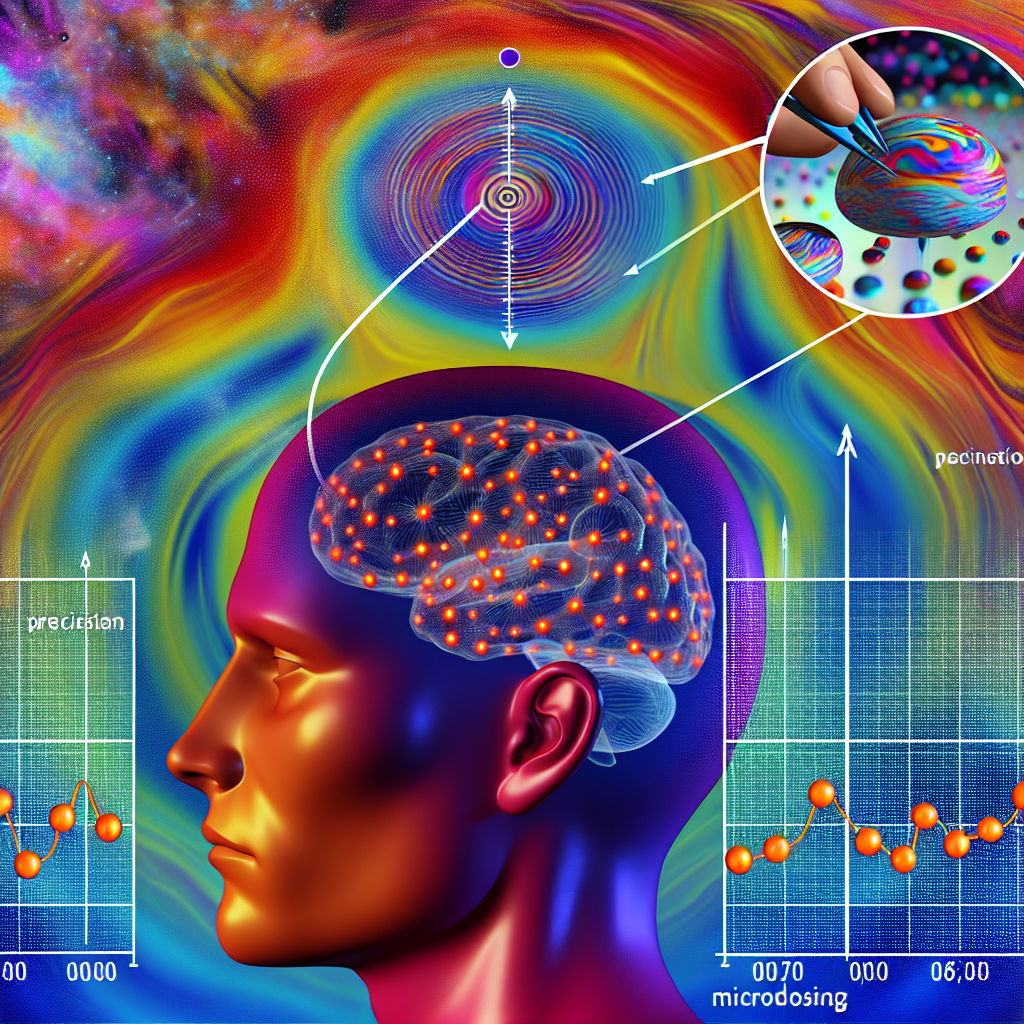
In recent years, the exploration of **psychedelic substances** for therapeutic purposes has garnered significant attention, with **psilocybin**, the active compound in magic mushrooms, leading the conversation. One of the most popularized approaches—**microdosing**, involving the consumption of sub-perceptual doses of psychedelics—has been hailed for its potential to enhance **creativity**, **mood**, and **mental health**. However, there’s a burgeoning shift in focus within the psychedelic startup community towards a more tailored approach: **precision mindstates**. This innovative concept involves using specific psychedelics at precise dosages to target individualized mental health needs, potentially offering a more effective alternative compared to the one-size-fits-all model of microdosing.
The interest in precision mindstates is driven by the unique mental health challenges that people face, which demand more than a blanket solution. While microdosing may offer subtle benefits, it doesn’t address the intricacies of mental health disorders that vary significantly from one person to another. Each individual’s psychological makeup is influenced by a host of factors, including genetics, lifestyle, and environmental influences. **Precision mindstates** propose a personalized path to mental well-being, utilizing advances in **neuroscience**, **pharmacogenomics**, and **data analytics** to customize psychedelic therapies that align with an individual’s specific psychological and physiological needs.
The shift towards **precision mindstates** is underscored by the growing realization that our mental landscapes are as unique as our fingerprints. Psychedelic startups are betting big on this approach because it aligns with broader trends in personalized medicine, which have already transformed sectors of healthcare. Companies are investing in research to develop sophisticated diagnostic tools and platforms that will identify precise mental health needs and tailor psychedelic treatments accordingly. This personalized approach not only holds promise for enhancing therapeutic outcomes but may also mitigate the risks associated with psychedelic use by optimizing dosages and ensuring administered substances align with the user’s unique neurochemistry.
**Features**
Recent studies have laid the groundwork for precision mindstates by delving into the individualized effects of psychedelics. A seminal study published in the journal [*Cell Reports*](https://www.cell.com/cell-reports) in 2022 explored the divergent effects of psychedelics on neural circuits, highlighting how different compounds interact with complex brain networks. This research underscores the potential for customized psychedelic therapies that address specific neural pathways and mental health conditions.
In another study by [Johns Hopkins University](https://jamanetwork.com/journals/jamapsychiatry/fullarticle/2772630), researchers found that varying doses of **psilocybin** had distinct effects on individuals with treatment-resistant depression. The findings revealed that while some patients experienced profound therapeutic breakthroughs with higher doses, others benefited from lower doses tailored to their specific neurochemical balance. These variations in response demonstrate the inadequacy of a one-size-fits-all approach and bolster the argument for precision mindstates as a more nuanced and effective therapeutic strategy.
The potential for **precision mindstates** is further reinforced by advancements in **genetic mapping** and **data-driven insights**. Companies are increasingly leveraging artificial intelligence and machine learning to analyze vast datasets, uncovering patterns that help predict individual responses to different psychedelics. This data-centric approach enables the identification of biomarkers and genetic predispositions that guide the selection of specific psychedelic compounds and dosages.
Additionally, the public’s perception of **psychedelic use** for therapy is evolving. A survey conducted by [Imperial College London](https://www.imperial.ac.uk) in 2023 highlighted a growing acceptance of **psychedelics** in mainstream medicine, with over 70% of respondents expressing openness to personalized psychedelic therapies. This reflects a broader societal shift towards personalized healthcare solutions and underscores the timeliness of precision mindstates as an innovative approach.
**Conclusion**
Psychedelic startups pioneering the **precision mindstates** model are at the forefront of a paradigm shift in mental health treatment. Moving beyond microdosing, these companies are tapping into the power of **psychedelics** to offer tailored, personalized solutions that hold the promise of more effective and safer therapeutic outcomes. As further research and technological advancements continue to shape this burgeoning field, **precision mindstates** could well be the key to unlocking the full potential of psychedelics in contemporary medicine.
**References**
1. Carhart-Harris, R. L., et al. (2022). Neural correlates of the psychedelic state as determined by fMRI studies with psilocybin. *Cell Reports*. [Link](https://www.cell.com/cell-reports)
2. Davis, A. K., et al. (2020). Effects of Psilocybin-Assisted Therapy on Major Depressive Disorder: A Randomized Clinical Trial. *JAMA Psychiatry*. [Link](https://jamanetwork.com/journals/jamapsychiatry/fullarticle/2772630)
3. Psychedelic Survey, Imperial College London (2023). Public perceptions of psychedelic therapies. [Link](https://www.imperial.ac.uk)
**Concise Summary**
The exploration of psychedelic substances, particularly **psilocybin**, is shifting from **microdosing** to **precision mindstates**. Unlike the one-size-fits-all approach of microdosing, precision mindstates offer personalized psychedelic therapies targeting individual mental health needs. Utilizing advances in **neuroscience**, **pharmacogenomics**, and **data analytics**, this tailored strategy promises enhanced therapeutic outcomes and reduced risks by aligning treatments with unique neurochemistry. Supported by recent studies and growing public acceptance, precision mindstates find traction in the burgeoning personalized medicine landscape, highlighting their transformative potential in psychedelic therapies.

Dominic E. is a passionate filmmaker navigating the exciting intersection of art and science. By day, he delves into the complexities of the human body as a full-time medical writer, meticulously translating intricate medical concepts into accessible and engaging narratives. By night, he explores the boundless realm of cinematic storytelling, crafting narratives that evoke emotion and challenge perspectives. Film Student and Full-time Medical Writer for ContentVendor.com