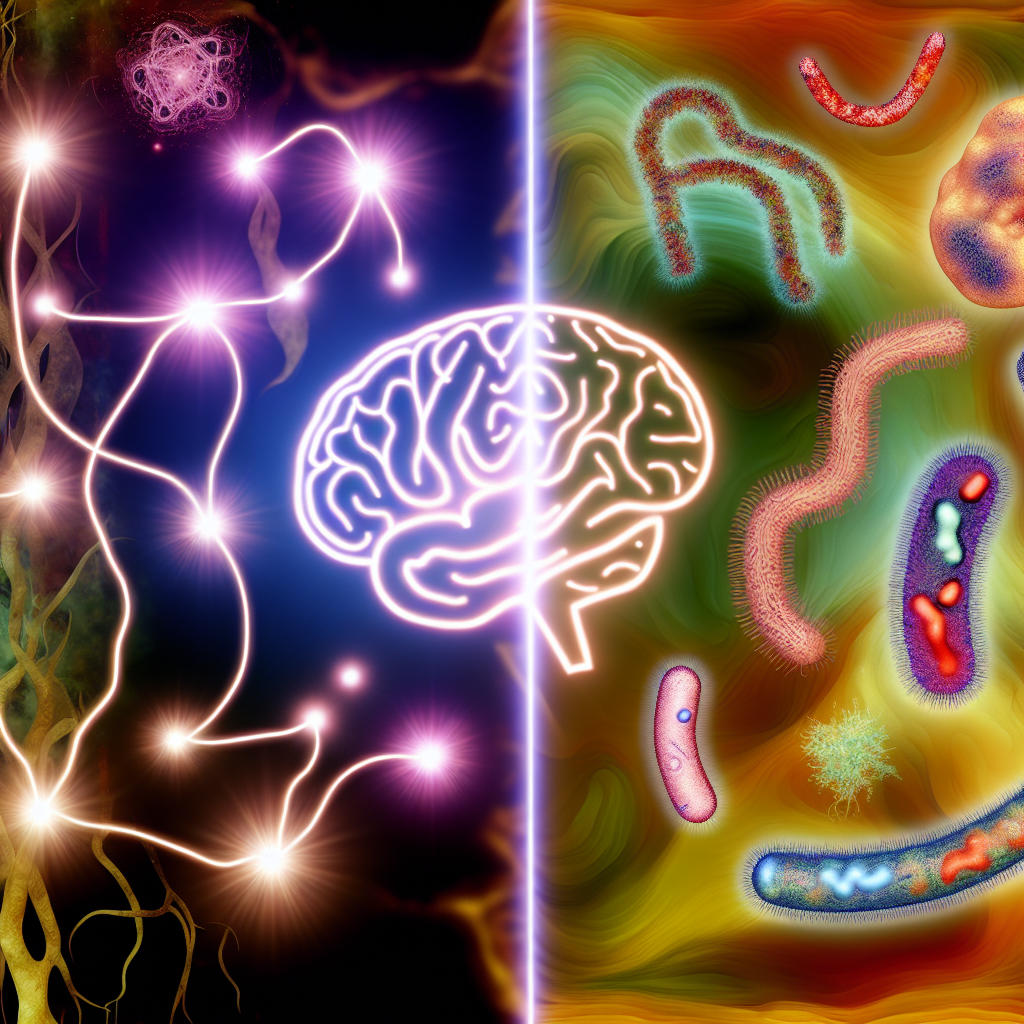
Why Psychedelic Protocols May Need to Be Personalized by Gut Biome, Not Just Brain Chemistry
Introduction:
The exploration of **psychedelic treatments** for **mental health conditions** has opened new frontiers in medicine. Once stigmatized, compounds like **psilocybin** are now celebrated for their potential in helping tackle a wide range of psychological disorders, from **depression** and **PTSD** to **addiction**. Most research and treatment protocols have traditionally emphasized the role of **brain chemistry**, focusing on **serotonin receptors**, dopamine levels, and neural connectivity to tailor psychedelic experiences for therapeutic outcomes.
However, a burgeoning body of research suggests that the relationship between our **gut biome** and brain might play a pivotal role in how psychedelics exert their healing properties. The **gut-brain axis** is an intricate communication network that links your intestines and your brain, influencing mood, immune response, and general mental health. Microbes in our digestive system can produce neurotransmitters and influence brain activity, thereby potentially altering the effects of psychedelic treatment.
Understanding and leveraging this gut-brain connection could revolutionize psychedelic therapies. Patients with similar psychological conditions but differing gut biomes might respond to psilocybin in vastly different ways. It turns out, the expression “trust your gut” might carry more scientific weight than previously thought.
Recent studies indicate that the gut biome not only affects mental health directly but also modulates how drugs and natural compounds like psilocybin are processed. For instance, certain bacterial strains can metabolize compounds differently, altering their potency and effect duration. As the scientific community continues to unveil the complexities of the gut-brain connection, the importance of a personalized approach to psychedelic protocols becomes ever apparent.
Features:
One of the cornerstones of understanding the significance of the gut-brain axis in psychedelic treatments comes from studies examining how gut health impacts mental states. A 2020 study published in *Frontiers in Psychiatry* found that “gastrointestinal inflammation was associated with depression and other mental health issues,” suggesting that imbalances in gut flora could exacerbate or even cause psychological distress [source](https://www.frontiersin.org/articles/10.3389/fpsyt.2020.00021/full).
Moreover, research from the University of California, San Francisco, highlighted how the microbiome alters **serotonin**, a neurotransmitter integral to mood and perception, levels in the gut and, consequently, in the brain [source](https://journals.physiology.org/doi/full/10.1152/ajpregu.00022.2015). Since psychedelics like psilocybin primarily interact with serotonin receptors, these findings have immense implications for psychedelic therapy. Therefore, differences in an individual’s microbiome could result in variable responses to psychedelic treatment protocols.
Further support for the personalized approach comes from a 2021 study in *Nature Microbiology*, which demonstrated that specific bacteria are associated with the metabolism of certain drugs, including psychoactive substances [source](https://www.nature.com/articles/s41564-020-00841-9). This research underpins the idea that microbiotic composition not only influences mental health directly but also modulates the **pharmacokinetics** of psychedelic substances.
The paradigm of **personalized medicine**, which tailors healthcare based on individual genetic, environmental, and lifestyle factors, can be expanded to include gut flora. By integrating gut microbiome analyses into psychedelic treatment protocols, clinicians could develop more effective, individualized therapeutic strategies. As we look deeper into the gut-brain connection, the prospect of customizing psychedelic treatments to optimize therapeutic outcomes becomes increasingly plausible.
Conclusion:
Incorporating gut biome analysis into psychedelic therapy is not just a promising idea—it could mark a new era in mental health treatment. By acknowledging the powerful influence of the gut-brain connection, we can enhance therapeutic efficacy and unlock the full potential of psilocybin and similar compounds. As research progresses, a more comprehensive understanding will emerge, likely adding an invaluable layer of personalization to psychedelic protocols.
**Concise Summary:**
Emerging evidence supports the personalization of **psychedelic treatments** by integrating **gut biome analysis**. While traditional protocols focus on **brain chemistry**, the **gut-brain axis** is increasingly recognized for its role in mental health. Studies indicate the gut microbiome affects how **psilocybin** and similar compounds are metabolized, impacting their therapeutic outcomes. By tailoring psychedelic therapies to individuals’ gut flora, clinicians can enhance treatment effectiveness, addressing mental health disorders like **depression**, **PTSD**, and **addiction**. As this field progresses, the integration of gut health into treatment protocols could revolutionize personalized mental health care.

Dominic E. is a passionate filmmaker navigating the exciting intersection of art and science. By day, he delves into the complexities of the human body as a full-time medical writer, meticulously translating intricate medical concepts into accessible and engaging narratives. By night, he explores the boundless realm of cinematic storytelling, crafting narratives that evoke emotion and challenge perspectives. Film Student and Full-time Medical Writer for ContentVendor.com