Why Psychedelic Clinics Should Study Oncology: A Framework for Scalable, Compliant Patient-Centered Infrastructure
In recent years, the integration of alternative treatments into mainstream medicine has gathered momentum. Among these, **psilocybin** and other **psychedelics** have shown promise for treating a variety of **mental health conditions**, including **depression**, **anxiety**, and **PTSD**. As psychedelic therapy evolves, its potential application within **oncology** presents a compelling argument for further study and integration. **Cancer patients** often confront not only physical symptoms but also a significant psychological burden, including stress, anxiety, and existential distress. This is where the therapeutic potential of psychedelics, particularly psilocybin, can be transformative.
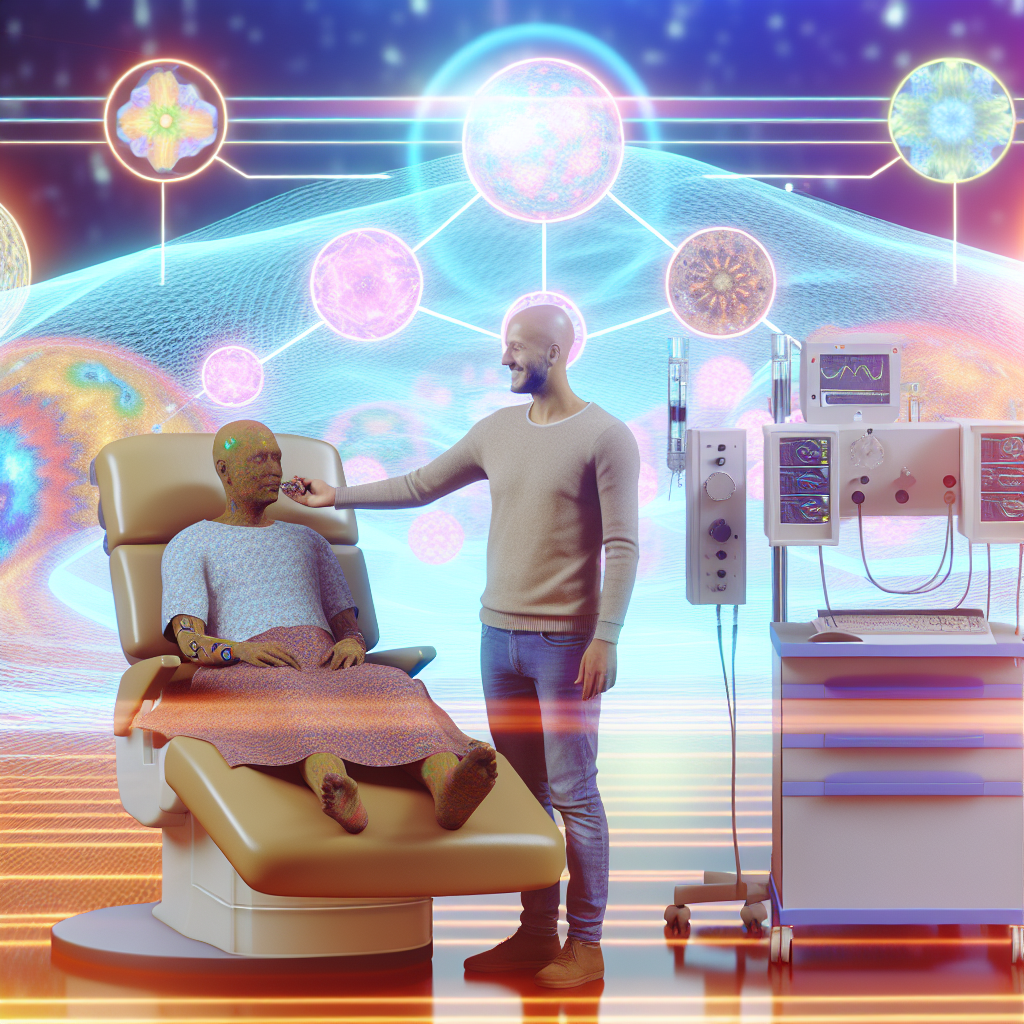
**Oncology’s holistic view of patient care** focusing on both physical and psychological aspects aligns well with psychedelic therapy’s principles. The potential benefits of integrating psychedelics into cancer care are manifold. For instance, **psilocybin-assisted therapy** has been reported to produce significant reductions in anxiety and depression among cancer patients. A pivotal study published in the Journal of Psychopharmacology demonstrated that a single dose of psilocybin led to rapid and sustained improvements in existential distress and quality of life among patients with **life-threatening cancer** diagnoses.
Despite these promising findings, the road to widespread adoption in oncology necessitates a well-structured and compliant framework. Integrating psychedelics into cancer care must prioritize patient safety, adhere to regulatory standards, and adopt a scalable infrastructure. This involves establishing **clinical protocols** that align with existing oncology treatments, ensuring rigorous patient screening, and providing comprehensive support systems. By aligning psychedelic therapies with oncology’s stringent standards, clinics can create a sustainable and ethical model that respects both fields’ complexities.
Features: Research and Professional Insights
A number of professional studies underscore the potential for **psychedelic-assisted therapy** in oncology. The landmark 2016 studies by researchers at **Johns Hopkins University** and **New York University** have been particularly influential. In these studies, psilocybin administration to patients with life-threatening cancer diagnoses resulted in substantial improvements in emotional and existential well-being, with effects lasting up to six months following treatment. Such findings underscore the potential for psychedelic therapy to complement traditional cancer treatments, providing a more holistic approach to patient care.
Moreover, a 2020 study published in the journal Therapeutic Advances in Psychopharmacology reviewed data on psychedelics’ mechanisms of action, which include the alteration of **brain networks** involved in mood and perception. This aligns with the goal of alleviating the psychological distress often experienced by oncology patients. Furthermore, psychedelic therapy has been associated with changes in emotional processing and increased empathy, which can aid in the emotional healing process for those facing terminal diagnoses.
To facilitate the integration of psychedelics into oncology, it’s crucial to draw on established frameworks within the field. This includes leveraging insights from **integrative oncology**, which combines conventional treatments with complementary therapies to address physical, psychological, and spiritual health. By mimicking integrative oncology’s patient-centered approach, psychedelic clinics can ensure treatments are comprehensive and aligned with individual patient needs.
Another consideration is the **scalability of psychedelic therapies** in oncology. Building efficient infrastructures that enable safe, widespread, and equitable access to psychedelic therapy necessitates collaboration between **psychedelic researchers** and oncology experts. Combining knowledge from these domains can inform guidelines for training therapists, optimizing treatment plans, and monitoring patient outcomes.
Conclusion
The potential integration of psychedelics into oncology offers a promising avenue for enhancing **cancer care**. By focusing on a patient-centered framework that adheres to the stringent standards of both fields, psychedelic clinics can create scalable, compliant infrastructures that provide holistic benefits for cancer patients. As research progresses, collaboration between psychedelic and oncology specialists will be vital in achieving this aim, ensuring safe, effective, and transformative care for patients confronting cancer’s multifaceted challenges.
References
1. Ross, S., Bossis, A., Guss, J., et al. (2016). “Rapid and sustained symptom reduction following psilocybin treatment for anxiety and depression in patients with life-threatening cancer: a randomized controlled trial.” Journal of Psychopharmacology.
2. Griffiths, R. R., Johnson, M. W., Carducci, M. A., et al. (2016). “Psilocybin produces substantial and sustained decreases in depression and anxiety in patients with life-threatening cancer: A randomized double-blind trial.” Journal of Psychopharmacology.
3. Reiche, S., Hermle, L., Gutwinski, S., et al. (2020). “A Systematic Review of the Therapeutic Use of Psilocybin and LSD in the Treatment of Anxiety Disorders.” Therapeutic Advances in Psychopharmacology.
Concise Summary
The integration of psychedelics, particularly psilocybin, into oncology has the potential to transform cancer care by addressing both physical and psychological symptoms of cancer patients. Recent studies have shown significant improvements in anxiety, depression, and existential distress among cancer patients treated with psilocybin. For this integration to be successful, a framework ensuring safety, regulatory compliance, and scalability must be established. Collaboration between psychedelic researchers and oncology experts is essential to create holistic, patient-centered treatments that complement traditional cancer therapies and offer comprehensive care solutions.

Dominic E. is a passionate filmmaker navigating the exciting intersection of art and science. By day, he delves into the complexities of the human body as a full-time medical writer, meticulously translating intricate medical concepts into accessible and engaging narratives. By night, he explores the boundless realm of cinematic storytelling, crafting narratives that evoke emotion and challenge perspectives. Film Student and Full-time Medical Writer for ContentVendor.com