“`html
Why Neuroscientists Are Rethinking the “Default Mode Network” — And What It Means for Psychedelic Protocols
Topic Introduction:
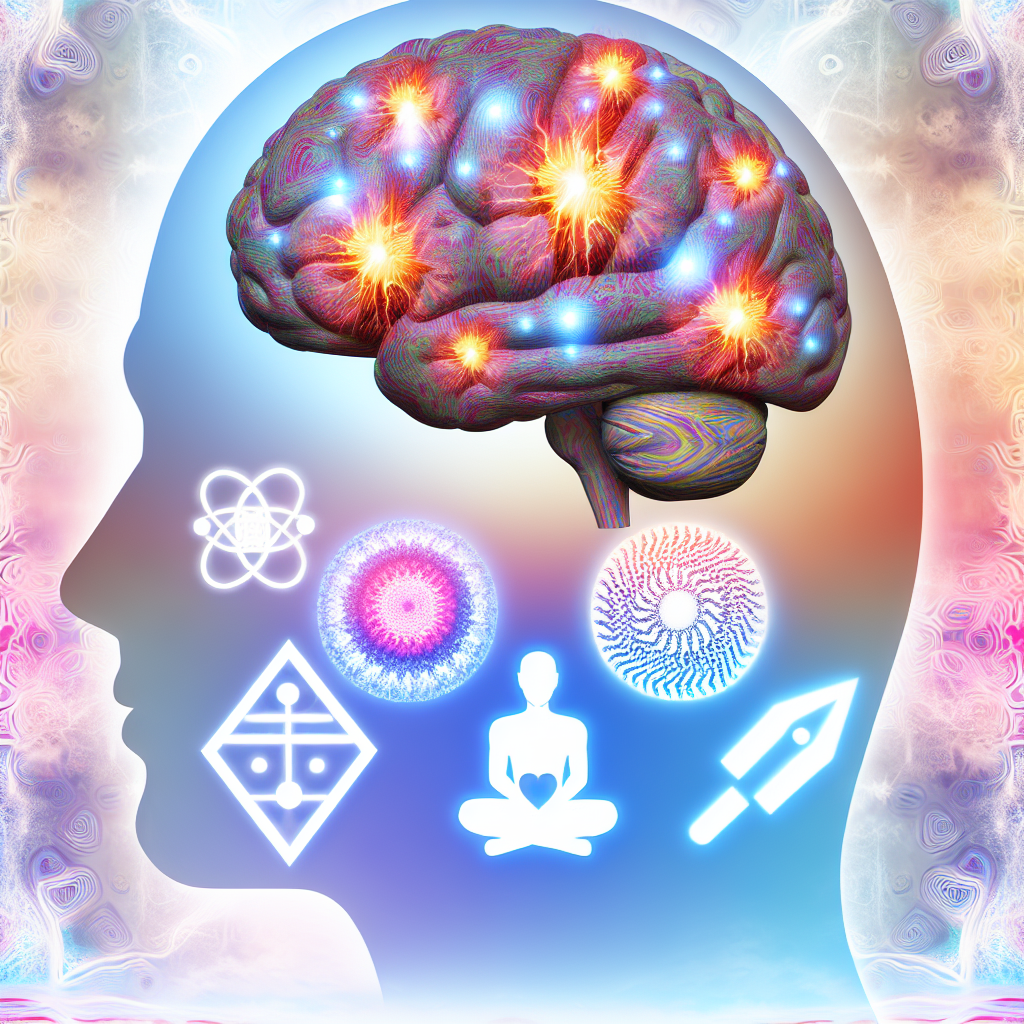
In recent years, the exploration of the brain’s intricate networks has led to intriguing revelations within the realm of **neuroscience**. Among these discoveries, the **Default Mode Network** (**DMN**) has emerged as a key player, particularly in our understanding of **introspection**, **self-referential thought**, and **consciousness**. The DMN is a constellation of interacting brain regions that become active during passive rest and are thought to facilitate internalized mental processes like daydreaming, memory consolidation, and stream-of-consciousness thinking. However, as neuroscience advances, experts are beginning to question longstanding assumptions about the DMN’s role, especially as it relates to **mental health** and **therapeutic interventions**. This reevaluation is significantly influencing the burgeoning field of **psychedelic research** and its potential for treatment protocols.
The traditional view of the DMN characterizes it as a hub for self-focused and often negative rumination thoughts—a perspective that aligns it with mental health disorders such as **depression** and **anxiety**. The DMN’s overactivity, for instance, has been linked to obsessive self-reflection and looping negative thoughts. As so-called “mind-wandering” becomes invasive, individuals may experience a heightened sense of separation from the world, resulting in maladaptive behavior patterns. Consequently, reducing DMN activity emerged as a therapeutic target, with **psychedelics** such as **psilocybin** showing promise in achieving this effect.
Psychedelics, particularly **psilocybin**, the active compound in **magic mushrooms**, are being revisited as powerful tools with the potential to disrupt the dominant control of the DMN. When ingested, psilocybin is known to decrease activity within the DMN, facilitating a dissolution of the ego and allowing for new, often enlightening perspectives. This recalibration of neural connections enables unprecedented breakthroughs in psychological therapy, suggesting that psychedelics could provide lasting relief for conditions that respond poorly to conventional treatment. As neuroscientists dig deeper, the evolving understanding of the DMN’s true role and its response to psychedelics will likely redefine therapeutic protocols, opening avenues for more inclusive and effective mental health practices.
Features:
Several pivotal studies underscore the transformative impact of **psychedelics** on the **DMN**, supporting the reconsideration of this brain network’s function. A landmark study conducted by researchers at [Imperial College London](https://journals.sagepub.com/doi/10.1177/0269881116675512) used functional magnetic resonance imaging (**fMRI**) to observe the effects of **psilocybin** on brain activity. The results demonstrated that psilocybin significantly reduces DMN activity, correlating with the intensity of the psychoactive experience and the reported dissolution of the self.
Subsequent studies have bolstered these findings, such as a 2016 survey led by the Beckley Foundation that highlighted the potential for psilocybin to induce a “reset” of brain connectivity. The research posits that reduced DMN activity allows greater inter-network connectivity, fostering adaptive and creative thought patterns that outlast the psychedelic experience itself. This reset mechanism provides a plausible explanation for reports of long-term improvements in mood and anxiety reduction following psychedelic-assisted therapy sessions. [Source](https://www.frontiersin.org/articles/10.3389/fphar.2017.00094/full).
Moreover, a 2018 [Johns Hopkins study](https://journals.sagepub.com/doi/10.1177/0269881116675512) published in the Journal of Psychopharmacology provided further evidence supporting the therapeutic potential of **psilocybin**. Participants receiving psilocybin-assisted therapy displayed significant reductions in depressive symptoms, attributed to modulations in brain network connectivity, including the DMN. These findings suggest that psychedelic protocols leveraging the temporary suppression of the DMN can facilitate a profound restructuring of cognitive frameworks.
As ongoing research further disentangles the functional complexity of the DMN, it prompts a shift towards viewing this network not merely as a pathological hallmark but as a gateway for psychological healing and growth. The reconceptualization of the DMN underlines its potential as a therapeutic catalyst when influenced by **psychedelics**, enabling profound personal insights and emotional breakthroughs.
Conclusion:
The reevaluation of the **Default Mode Network’s** function underscores a pivotal moment in **psychedelic research** and **mental health treatment**. By harnessing the transformative potential of substances like **psilocybin**, we stand on the brink of a new era of therapeutic possibilities. As this field evolves, it promises to redefine psychiatric care, offering hope and healing to those for whom traditional modalities have fallen short. With continued research and clinical validation, psychedelic protocols may soon become invaluable tools in the pursuit of mental wellness.
Concise Summary
The **Default Mode Network** (DMN), traditionally linked to self-referential thought and mental disorders like **depression**, is being reevaluated due to breakthroughs in **psychedelic research**. Studies highlight that substances like **psilocybin** can reduce DMN activity, promoting new cognitive patterns and aiding mental health therapies. Insights from institutions like **Imperial College London** and **Johns Hopkins** suggest that psychedelics might significantly alter traditional psychiatric treatments by providing lasting relief where conventional methods fail. The continued exploration of the DMN’s role promises to reshape the future of mental health care.
“`

Dominic E. is a passionate filmmaker navigating the exciting intersection of art and science. By day, he delves into the complexities of the human body as a full-time medical writer, meticulously translating intricate medical concepts into accessible and engaging narratives. By night, he explores the boundless realm of cinematic storytelling, crafting narratives that evoke emotion and challenge perspectives. Film Student and Full-time Medical Writer for ContentVendor.com