The Rise of Psychedelic Biomarkers: Will Blood Tests Dictate Your Next Psilocybin Dose?
In recent years, the conversation surrounding **psychedelic therapy** has evolved from a niche interest to a burgeoning field of medical research and practice. At the forefront of this transformation is **psilocybin**, the active component in **magic mushrooms**, which has shown promise in treating a range of **mental health disorders**, including **depression, anxiety, and PTSD**. However, as with any therapeutic substance, the challenge lies in determining the right dosage for each individual—a complex task given the subjective nature of psychedelic experiences.
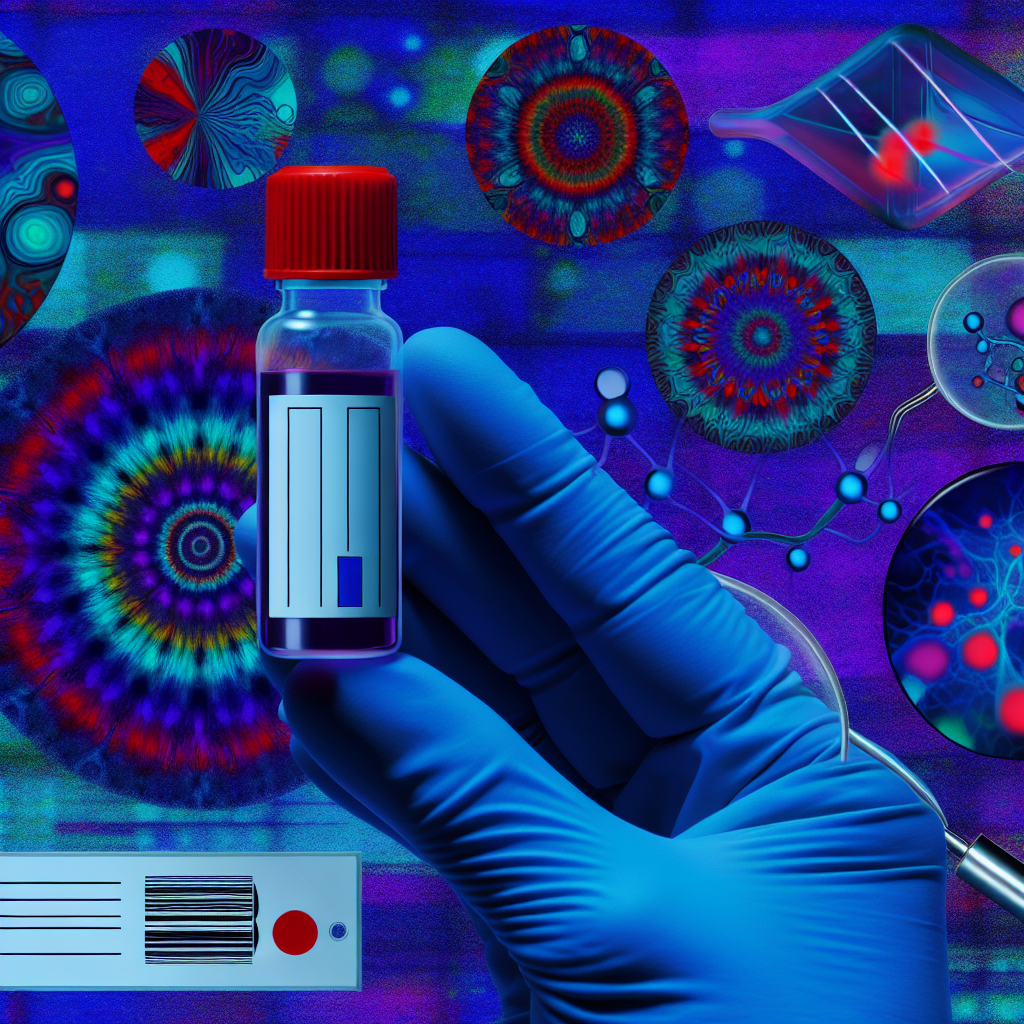
Enter the world of **psychedelic biomarkers**. Biomarkers are measurable indicators of some biological state or condition, and in the context of psilocybin and other **psychedelics**, they could hold the key to unlocking more precise and effective dosing protocols. Imagine a future where a simple blood test could inform your clinician of the optimal psilocybin dosage tailored specifically to your physiological and psychological needs. This personalized approach could maximize the therapeutic benefits while minimizing potential risks or side effects associated with psychedelic therapy.
The concept isn’t just science fiction; it’s grounded in emerging research into how various psychedelics interact with our biological systems. Scientists are investigating how these substances affect **neurotransmitter levels**, gene expression, brain activity patterns, and even **gut microbiota**. Such studies aim to identify specific biomarkers that correlate with therapeutic outcomes. By understanding these interactions at a deeper level, researchers hope to develop predictive models that would allow for individualized treatment plans.
This **precision medicine** approach is already well-established in other areas of healthcare such as oncology and cardiovascular treatment, where biomarkers guide clinical decisions every day. Extending it to psychedelic therapy could revolutionize how we think about and administer these substances, transforming them from generalized treatments into finely tuned interventions. This progress is not merely academic but has real-world implications for millions of individuals suffering from intractable mental health conditions.
Features of Psychedelic Biomarkers in Psilocybin Treatment
The exploration of psychedelic biomarkers is underpinned by several key studies and research endeavors that aim to decode the complex interactions between psychedelics and human physiology. Notably, a study published in the journal [Nature Medicine](https://www.nature.com/articles/s41591-021-01643-8) highlights the potential for advanced neuroimaging techniques to identify brain changes induced by psilocybin. The study found that psilocybin administered to patients with treatment-resistant depression resulted in altered connectivity between the brain’s **default mode network** and other areas, suggesting a tangible biomarker for therapeutic efficacy.
Furthermore, researchers at [Johns Hopkins University](https://hopkinspsychedelic.org) are making strides in identifying blood-based biomarkers related to psychedelic experiences. They have been investigating how psilocybin affects **serotonin receptor** activation and resulting biological markers, which could potentially predict individual responses to the psychedelic.
Another fascinating area of inquiry involves the **gut-brain axis**, the bidirectional relationship between the gastrointestinal tract and the central nervous system. Studies have suggested that psilocybin may influence gut microbiota, which in turn could affect mental health outcomes. By tracking how these gut changes correlate with psilocybin’s effects, scientists aim to identify additional markers that could guide dosing decisions, as highlighted in research published in [Frontiers in Microbiology](https://www.frontiersin.org/articles/10.3389/fmicb.2019.00583/full).
Despite these promising developments, the field is still in its infancy. The complexity of the human brain and the subjective nature of psychedelic experiences present considerable challenges. However, interdisciplinary approaches combining pharmacology, genomics, and neurobiology are beginning to paint a clearer picture. As research progresses, it is hoped that biomarkers will not only enhance the safety and efficacy of psychedelic therapy but also contribute to its broader acceptance within the medical community.
Conclusion
The journey toward using psychedelic biomarkers to determine psilocybin dosages is both promising and challenging. With ongoing research steadily unraveling the **biological signatures** of psychedelic experiences, there’s potential for a paradigm shift in mental health treatment. Personalized dosing could soon become a reality, optimizing therapeutic outcomes while minimizing risks. As science continues to advance, so too does our understanding of how these ancient compounds can offer modern solutions to some of today’s most persistent mental health issues.
**Concise Summary:** The exploration of psychedelic biomarkers in psilocybin treatment is an emerging field aiming to tailor doses for optimal therapeutic benefit. Biomarkers could help determine precise dosages, minimizing risks and maximizing effectiveness for mental health disorder treatments like depression, anxiety, and PTSD. Advanced research focuses on understanding psilocybin’s effects on neurotransmitter levels, gene expression, brain activity, and gut microbiota. Though complex and in its infancy, this personalized approach could significantly enhance safety and outcomes in psychedelic therapy, shifting it toward broader acceptance and application in modern medicine.

Dominic E. is a passionate filmmaker navigating the exciting intersection of art and science. By day, he delves into the complexities of the human body as a full-time medical writer, meticulously translating intricate medical concepts into accessible and engaging narratives. By night, he explores the boundless realm of cinematic storytelling, crafting narratives that evoke emotion and challenge perspectives. Film Student and Full-time Medical Writer for ContentVendor.com