Psychedelics vs SSRIs: Will Neuroweapons for Depression Shift FDA Guidance by 2025?
Introduction
**Depression**, a pervasive mental health disorder, affects over **264 million** people globally, according to the **World Health Organization (WHO)**. For decades, **Selective Serotonin Reuptake Inhibitors (SSRIs)** have been the go-to treatment. These pharmaceuticals, designed to increase **serotonin** levels in the brain, have varied efficacy and often come with an array of side effects. However, a significant paradigm shift is brewing on the horizon of mental health treatment. **Psychedelics**, particularly **psilocybin**—the active compound in “magic mushrooms”—are emerging as promising alternatives. Unlike SSRIs, which can take weeks to show effects, psilocybin treatments have demonstrated rapid and long-lasting impacts on mood and cognitive flexibility.
The resurgence of interest in psychedelics for therapeutic purposes has been fueled by groundbreaking studies and evolving cultural perceptions. Researchers are investigating their potential not just in alleviating symptoms of depression, but in addressing underlying cognitive and emotional processing issues more efficiently than existing pharmaceuticals. This research comes amidst a renaissance in psychedelic science, rekindled primarily over the past two decades. The quest is not solely about finding better drugs but also about understanding consciousness and the fundamental mechanics of the human brain.
The importance of this exploration cannot be overstated. Depression is not just about fluctuating neurotransmitter levels; it’s interwoven with psychological, social, and biological factors. Revolutionary approaches like psilocybin-based therapies promise holistic treatment paradigms, offering breakthroughs for patients with **treatment-resistant depression**. By 2025, the landscape of depression treatment could look markedly different, with psychedelics potentially influencing **FDA guidelines** and offering therapies that go beyond symptom management to provide genuine cures. Whether these “neuroweapons” can revolutionize depression treatment, however, remains contingent on ongoing clinical trials and FDA approval processes.
Features
A collection of contemporary research supports the potential of psychedelics in treating depression effectively. A pivotal study by **Johns Hopkins Medicine**, published in 2020 in **JAMA Psychiatry**, showed that two sessions of psilocybin paired with supportive psychotherapy produced rapid and sustained reductions in depressive symptoms in adults. The study noted that 71% of participants demonstrated over a 50% reduction in depression scores after four weeks (Link to study: [JAMA Psychiatry](https://jamanetwork.com/journals/jamapsychiatry/fullarticle/2772630)). In comparison, **SSRIs** usually take several weeks to begin showing effects, and remission rates remain modest. Furthermore, SSRIs often come with side effects such as weight gain, insomnia, or emotional numbness, which can deter consistent adherence (Link to study: [National Library of Medicine](https://www.ncbi.nlm.nih.gov/pmc/articles/PMC3181767/)).
Furthermore, the **COMPASS Pathways trial**, one of the largest studies on psilocybin therapy for **treatment-resistant depression**, has shown promising initial results. The study’s phase IIb trial reported significant improvements in depression severity scores at three weeks post-treatment and a favorable safety profile (Link to study: [COMPASS Pathways](https://compasspathways.com/trials/)).
While SSRIs alter the serotonin balance in the brain, psilocybin appears to act as a “reset” mechanism, modifying neural pathways and offering potential long-term benefits. This hypothesis is supported by brain imaging studies, which reveal that psilocybin reduces activity in brain regions responsible for the self: particularly the **default mode network (DMN)**. This reduction in DMN activity correlates with a decrease in overthinking and rigid thought patterns—common aspects of depression (Link to study: [Nature](https://www.nature.com/articles/nature21360)).
Conclusion
In conclusion, as research into **psilocybin** and other **psychedelics** progresses, their potential to supplant or complement existing **antidepressant regimens** becomes increasingly likely. The upcoming years may see a dramatic shift in **FDA regulations** as evidence mounts supporting the efficacy and safety of psychedelics. As medical communities and regulatory bodies aim to address the global depression epidemic more effectively, embracing innovative and multi-faceted treatment approaches, like psilocybin, could redefine mental health strategies by 2025.
Concise Summary
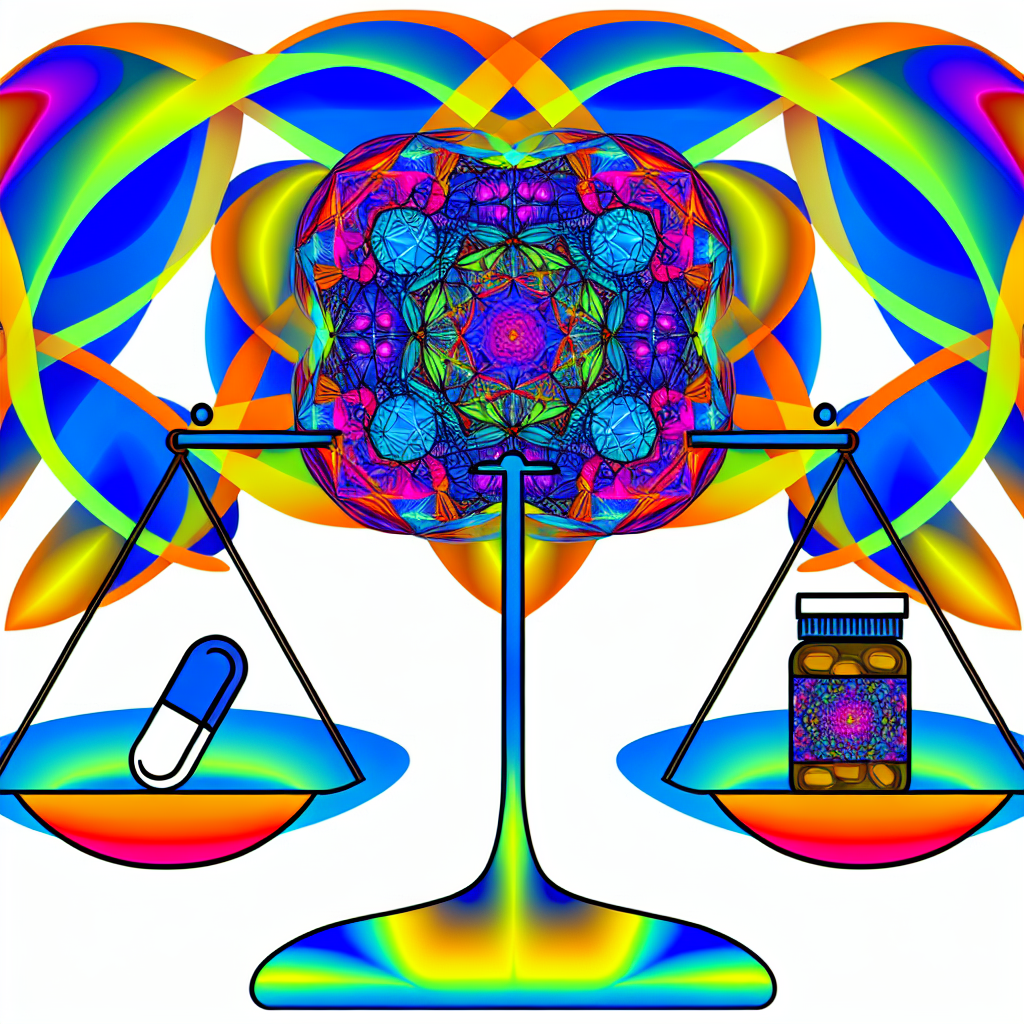
As studies illuminate the significant benefits of **psilocybin** in treating **depression**, it positions itself as a promising alternative or complement to **Selective Serotonin Reuptake Inhibitors (SSRIs)**. Notably, psilocybin showcases rapid and sustained improvement in depressive symptoms with fewer side effects. Ongoing trials, like those from **Johns Hopkins Medicine** and **COMPASS Pathways**, could dramatically influence **FDA guidelines** by 2025. As the medical community seeks more effective depression therapies, integrating psychedelics within treatment protocols may redefine mental health strategies, potentially offering a more holistic and rapid avenue to relief.

Dominic E. is a passionate filmmaker navigating the exciting intersection of art and science. By day, he delves into the complexities of the human body as a full-time medical writer, meticulously translating intricate medical concepts into accessible and engaging narratives. By night, he explores the boundless realm of cinematic storytelling, crafting narratives that evoke emotion and challenge perspectives. Film Student and Full-time Medical Writer for ContentVendor.com