Psychedelic Medicine Is the Next UX Design Frontier: Mapping Set, Setting, and State into Clinical Protocols
Introduction
In the evolving landscape of modern medicine, **psychedelic research** has emerged as a beacon of hope for **mental health treatments**. **Psilocybin**, the active compound in psychedelic mushrooms, has gained immense traction as a potential therapeutic tool. As we strive to advance patient care, a frontier has emerged that combines psychedelic medicine with **User Experience (UX) design** principles. This innovative approach can optimize treatment outcomes through improved clinical protocols centered around the “set, setting, and state” framework.
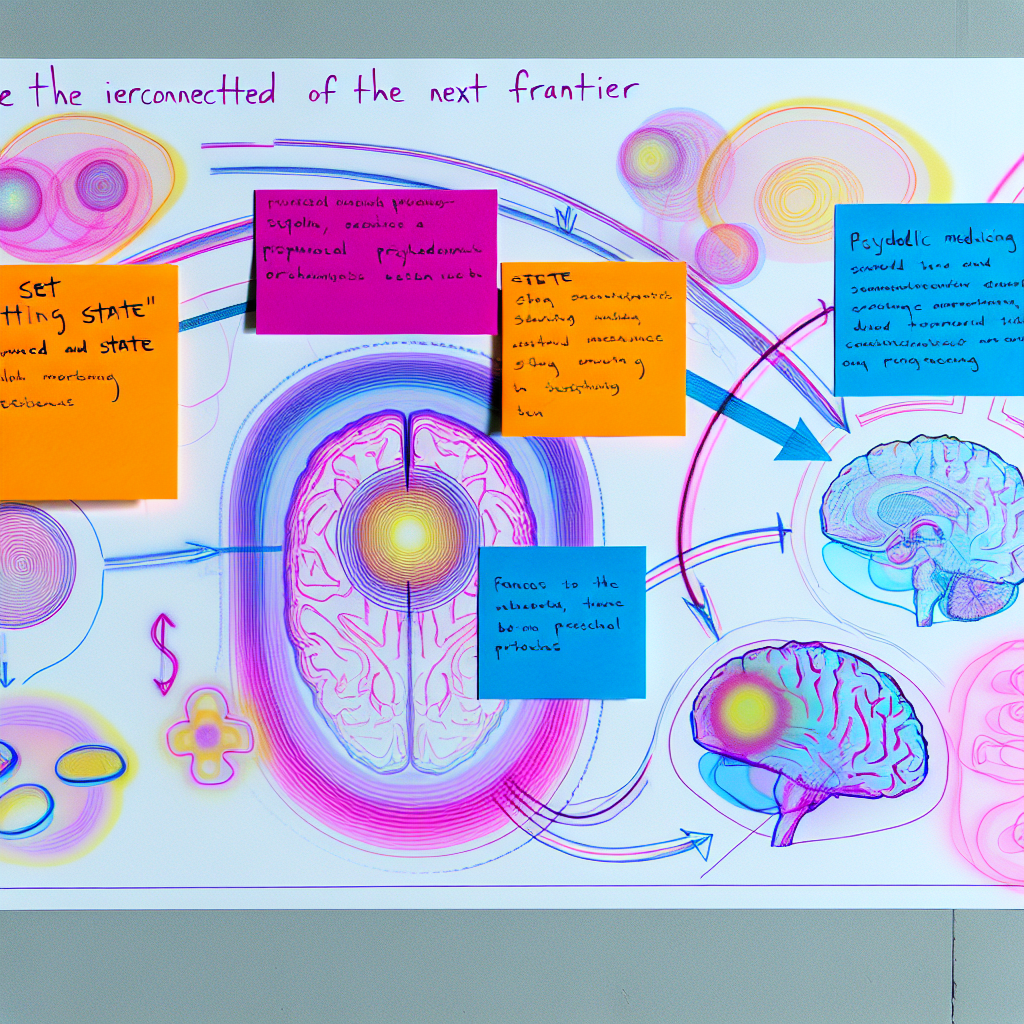
“**Set**” refers to the mindset, attitudes, and expectations of individuals undergoing psychedelic therapy. Research highlights the significant role a patient’s psychological condition plays in the effectiveness of psychedelic treatment. A positive and receptive mindset can enhance therapeutic experiences, allowing patients to reap the full benefits of the session.
“**Setting**” encompasses the physical and social environment in which the psychedelic experience unfolds. A carefully designed setting, which includes everything from room aesthetics to therapist presence, can significantly influence the therapeutic process. Creating a safe, comfortable, and supportive environment is crucial for helping patients navigate their experiences.
“**State**” pertains to the physiological and psychological alterations induced by psychedelics. Understanding the variability in how individuals respond to psychedelics is a key aspect of personalizing treatment protocols. This domain is ripe for exploration, as more nuanced insights into patient responses can pave the way for tailored therapeutic strategies.
Combining UX design principles with these three components can shape an innovative clinical framework that maximizes therapeutic potential. Leveraging **design thinking**, a methodology that centers on user needs and experiences, the implementation of psychedelic medicine can transition from being merely groundbreaking to deeply transformative. As we explore this interdisciplinary approach, the goal is not only to improve therapeutic outcomes but also to refine the holistic experience of those undergoing treatment. This synergy could usher in a new era of mental health treatment, poised to revolutionize how we approach psychological wellness.
Features
Recent studies have underscored the promising potential of psychedelics in mental health treatment. A randomized clinical trial published in *JAMA Psychiatry* found that patients with **major depressive disorder** who received psilocybin-assisted therapy demonstrated significant reductions in depressive symptoms compared to a control group. The trial emphasized the critical role of set and setting in optimizing patient experiences, with researchers noting enhanced outcomes in those who engaged in preparatory sessions aimed at setting expectations.
Furthermore, research conducted by Johns Hopkins University has shown that a controlled setting, complemented by carefully guided sessions, can lead to improved mental health outcomes. Their findings indicated that patients who underwent psychedelic therapy within a supportive and well-designed environment experienced substantial reductions in depression and anxiety symptoms.
The fusion of UX design principles with psychedelic therapy has also garnered attention. Design thinking, which focuses on understanding user experiences and needs, can be employed to enhance patient-centric therapies. A study in the journal *Frontiers in Psychology* highlighted the potential of applying these principles in mental health care, suggesting that an empathetic, iterative approach to designing therapeutic environments can significantly impact treatment efficacy.
Such advancements emphasize the importance of a holistic approach to psychedelic therapy that considers the mental, physical, and emotional states of patients. By mapping set, setting, and state into clinical protocols, healthcare professionals can finesse and personalize treatments, ensuring that they resonate deeply with each patient’s unique experiences and needs.
Conclusion
As psychedelic medicine continues to advance, integrating UX design can redefine therapeutic processes in mental health care. By focusing on set, setting, and state, the holistic experience of patients can be optimized, facilitating profound healing. This intersection of science and design represents a bold step into the future of therapy, promising to elevate patient care through thoughtful innovation.
Summary
As psychedelic research progresses, integrating **UX design** principles could transform mental health treatments. The concept of “set, setting, and state” forms the framework for optimizing psychedelic therapy. Research shows that a patient’s mindset, the environment, and individual physiological alterations play significant roles in treatment efficacy. By incorporating **design thinking**, the therapeutic potential of psychedelics can be maximized, promising improvements in patient experiences. This holistic approach, validated by studies in *JAMA Psychiatry* and Johns Hopkins University, emphasizes the necessity of a patient-centered focus in mental health care innovation.

Dominic E. is a passionate filmmaker navigating the exciting intersection of art and science. By day, he delves into the complexities of the human body as a full-time medical writer, meticulously translating intricate medical concepts into accessible and engaging narratives. By night, he explores the boundless realm of cinematic storytelling, crafting narratives that evoke emotion and challenge perspectives. Film Student and Full-time Medical Writer for ContentVendor.com