Psychedelic Harm Reduction for Polydrug Users: Specific Risk Mitigation
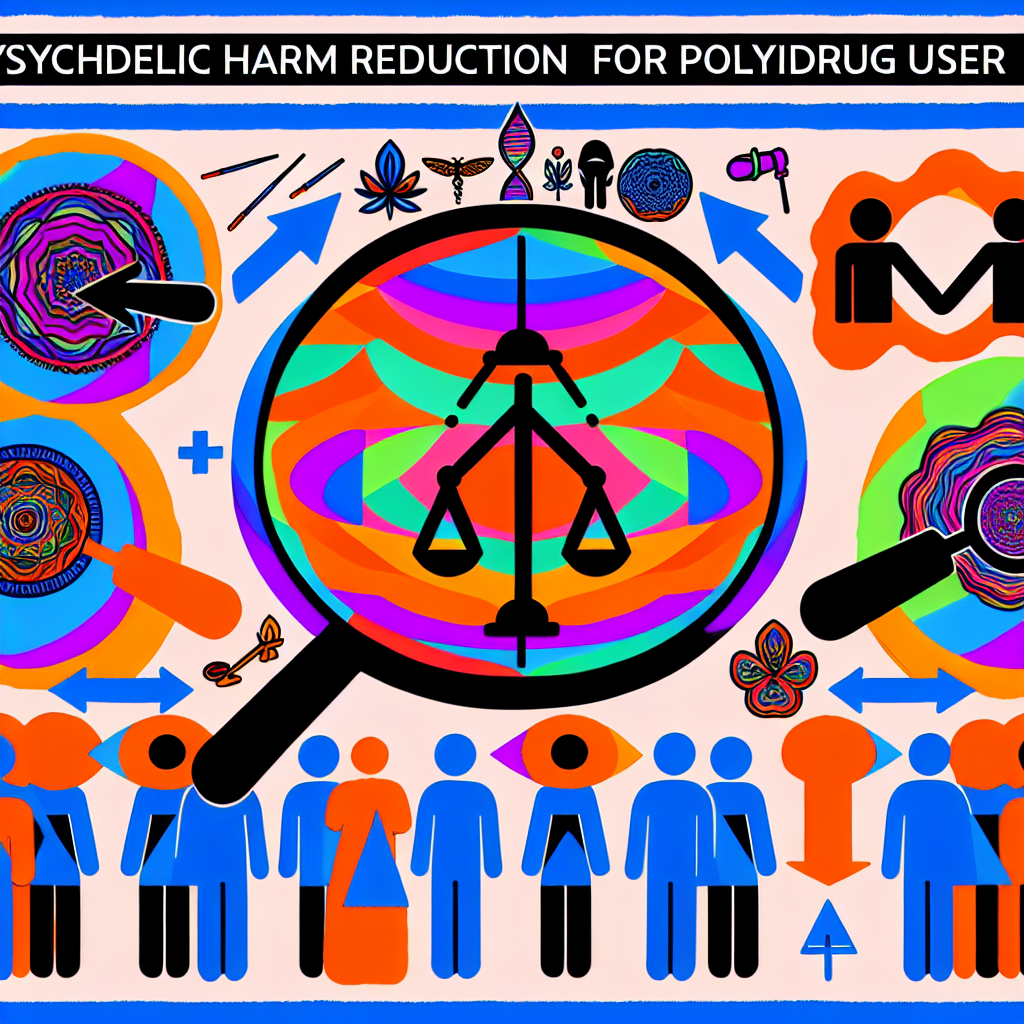
In recent years, the therapeutic potential of **psychedelics**, particularly **psilocybin**, has garnered significant attention in both the medical community and popular culture. However, for individuals who use multiple substances—referred to as **polydrug users**—engaging with psychedelics requires careful consideration and risk management. **Harm reduction** is essential for these individuals, as the combination of various substances can lead to unpredictable and potentially dangerous effects. The goal of harm reduction is not to advocate for or against drug use, but to provide strategies to reduce negative outcomes and improve safety.
Polydrug use can manifest in various ways, including the simultaneous or sequential use of different substances. This practice often amplifies the challenges associated with managing **drug interactions** and understanding individual substance effects. For instance, combining psychedelics with **depressants** (such as alcohol or benzodiazepines) or **stimulants** (such as cocaine or MDMA) can have unforeseen consequences on mental and physical health. Psychedelics like psilocybin primarily interact with **serotonin receptors**, but when used in conjunction with other drugs affecting the central nervous system, the risk of **serotonin syndrome** or other adverse interactions increases.
Harm reduction strategies tailored for polydrug users interested in psychedelics should include education, awareness, and preparation. Educating users about the pharmacological aspects of psychedelics, potential drug interactions, and the signs of an adverse reaction is crucial. Preparing a safe environment and having a **trip sitter**—someone sober present to provide support—can also mitigate risks. Additionally, understanding personal health conditions and drug tolerance levels can aid in minimizing negative outcomes.
Research has indicated that psychedelics can serve as potential treatment options for various mental health conditions, such as **depression** and **PTSD**. As interest in their therapeutic benefits continues to rise, so does the need for responsible usage practices. Recognizing and addressing the unique challenges faced by polydrug users through a harm reduction lens is essential. By providing practical guidelines and strategies, we can support safer experiences and contribute to the broader field of **psychedelic therapy**.
Features: Exploring Professional and Medical Studies
Recent studies have explored the complex interactions between psychedelics and other substances, significantly contributing to our understanding of risk moderation for polydrug users. One key study published in the Journal of Psychopharmacology [highlighted the significance of serotonin receptor sites](https://journals.sagepub.com/home/jop) in the effects of psilocybin. The research shed light on how mixing serotonin-affecting substances could exacerbate the risk of **serotonin syndrome**—a potentially life-threatening condition characterized by agitation, confusion, rapid heart rate, and high blood pressure.
Another noteworthy study conducted by the **Multidisciplinary Association for Psychedelic Studies (MAPS)** [focused on the therapeutic use of MDMA](https://maps.org/) in combination with psilocybin for trauma treatment. The study emphasized the importance of controlled settings and psychological support systems to ensure safety and efficacy. This research can be particularly relevant for polydrug users concerned about the therapeutic overlap and interactions between psychedelics and other psychoactive substances.
Moreover, a study published in the Psychopharmacology Journal [highlighted the significance of set (mental state) and setting (environment)](https://link.springer.com/journal/213) in psychedelic experiences, particularly for those with polydrug use. The researchers found that negative experiences were often linked to unsupportive environments or stressful mental states, underscoring the need for mental and physical preparation before psychedelic use. This insight is crucial for polydrug users, as their mental state and environment play significant roles in shaping their psychedelic experiences.
Collectively, these studies underscore the importance of understanding **pharmacodynamics** and the potential risks associated with mixing substances. They advocate for informed, cautious approaches tailored to individual needs, especially for those juggling the complexities of multiple drug interactions. By prioritizing evidence-based research and harm reduction principles, users can better navigate the intricate landscape of psychedelic use in combination with other substances.
Conclusion
In conclusion, psychedelic harm reduction for polydrug users is a complicated but crucial task, requiring a combination of education, preparation, and careful execution. Professional and medical research continues to provide valuable insights into how best to achieve this safely. For those interested in exploring the therapeutic potential of psychedelics while balancing other substance use, integrating harm reduction strategies is essential. By staying informed and prepared, users can enhance their safety and potentially harness the benefits of these powerful compounds.
Concise Summary:
Exploring psychedelics’ therapeutic potential, especially **psilocybin**, necessitates careful harm reduction strategies for **polydrug users**. Mixing substances like **depressants** or **stimulants** with psychedelics can be dangerous, risking conditions like **serotonin syndrome**. Studies emphasize understanding pharmacodynamics, set, and setting, and advocate for controlled environments and informed approaches. By prioritizing evidence-based research and maintaining awareness, polydrug users can safely explore psychedelics’ therapeutic benefits.

Dominic E. is a passionate filmmaker navigating the exciting intersection of art and science. By day, he delves into the complexities of the human body as a full-time medical writer, meticulously translating intricate medical concepts into accessible and engaging narratives. By night, he explores the boundless realm of cinematic storytelling, crafting narratives that evoke emotion and challenge perspectives. Film Student and Full-time Medical Writer for ContentVendor.com