Psychedelic-Assisted Therapy for Complex PTSD – Advanced Clinical Protocols
Introduction
The debilitating impact of **Complex Post-Traumatic Stress Disorder (C-PTSD)** on an individual’s mental health and quality of life cannot be overstated. This condition, often resulting from prolonged exposure to **traumatic events**, manifests as a deeply ingrained psychological state characterized by severe emotional dysregulation, distorted self-perception, and debilitating interpersonal difficulties. Traditional therapeutic approaches, such as **cognitive-behavioral therapy** and **pharmacological interventions**, have provided some relief. However, their limitations in addressing the intricate, multidimensional nature of C-PTSD have paved the way for innovative treatments, such as **psychedelic-assisted therapy**.
**Psychedelics**, once relegated to the fringes of science, are now garnering unprecedented attention from the medical community. Central to this surge of interest is **psilocybin**, a naturally occurring psychedelic compound found in certain mushrooms. Renowned for its safe profile and profound psychoactive effects, psilocybin is reopening the dialogue on how altered states of consciousness can facilitate psychological healing. In recent years, clinical protocols have been developed to harness the potential of psilocybin and other psychedelics in therapeutic settings, particularly for refractory mental health conditions like C-PTSD.
The basic premise of psychedelic-assisted therapy is to provide patients with a safe, controlled setting wherein they can explore their subconscious minds, confronting and processing traumas in a guided manner. This therapeutic model aims to deconstruct the pathological layers associated with C-PTSD by catalyzing neuropsychological transformations and fostering emotional release and insights. As this framework draws from both contemporary psychiatry and traditional healing practices, it offers a holistic approach that is both scientifically grounded and profoundly humanistic.
As psychedelic research progresses, it has become increasingly important to establish rigorous **clinical protocols** to ensure both the efficacy and safety of these treatments. This article delves into the advanced protocols being explored for psychedelic-assisted therapy in C-PTSD, highlighting key studies that underscore its potential as a transformative therapeutic strategy.
Features
Recent professional and medical studies have illuminated the potential of **psilocybin** and other psychedelics in treating **C-PTSD**, lending scientific credence to what many users and traditional practitioners have long observed. A ground-breaking study by the [**Multidisciplinary Association for Psychedelic Studies (MAPS)**](https://maps.org/research/mdma) focused on the use of **MDMA-assisted therapy** for PTSD, revealing significant symptom reduction in participants. Although MDMA is not a classic psychedelic, the study’s design and outcomes have set a precedent for similar research into substances like psilocybin.
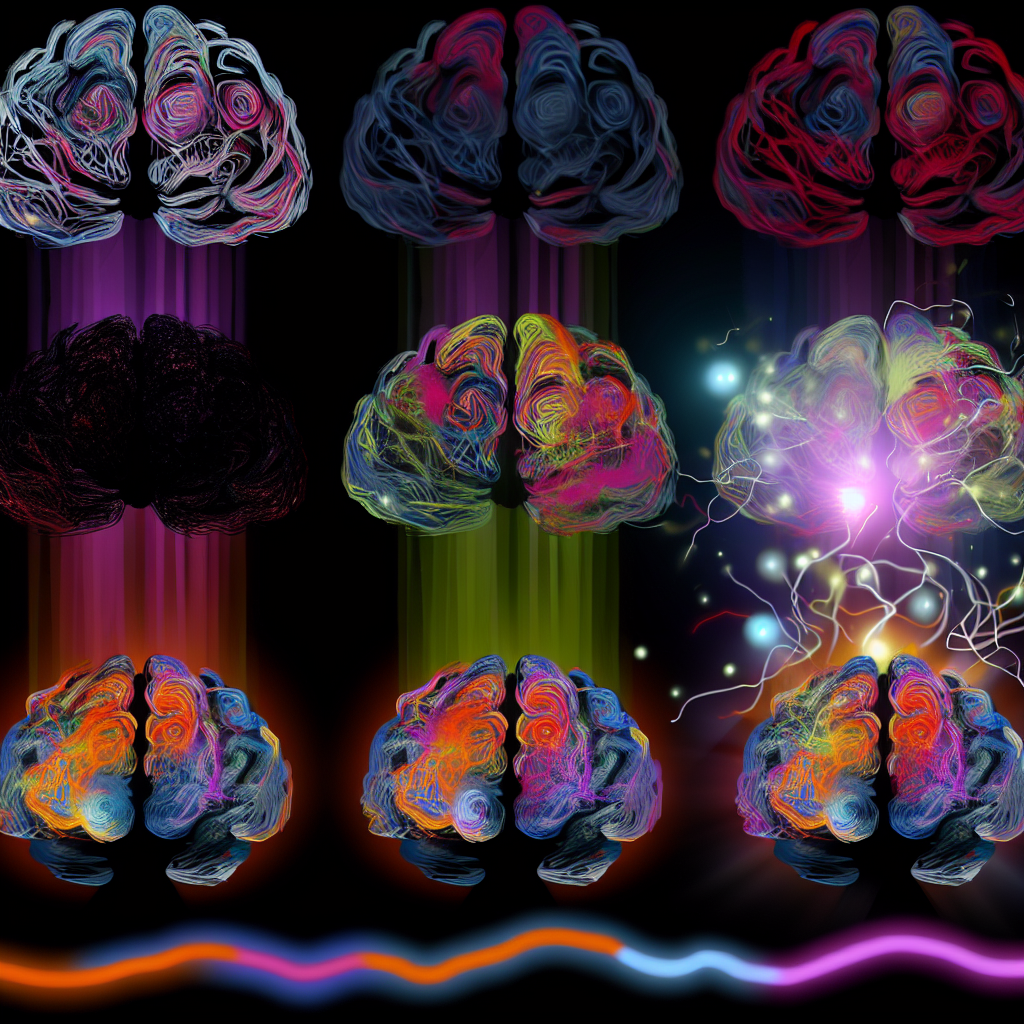
Further, the [**Imperial College London**](https://www.imperial.ac.uk/psychedelic-research-centre/) has pioneered research around the neurobiological effects of psilocybin. Their studies using functional MRI scans have demonstrated how psilocybin can “reset” brain networks associated with mood disorders, including PTSD. Their findings suggest that psilocybin might help reduce the hyperactivity of the **amygdala—a brain region implicated in emotional regulation and fear response—while enhancing connectivity in regions crucial for introspection and emotional processing.
**Clinical trials** at [**Johns Hopkins University**](https://hopkinspsychedelic.org/) bolster these findings. Psilocybin-assisted psychotherapy sessions have been shown to engender lasting improvements in emotional processing, cognition, and existential well-being in participants. The therapeutic protocol typically involves a preparatory phase, followed by one or more guided psilocybin sessions, and then integration sessions designed to help patients process and incorporate their experiences into their daily lives.
[**Stanford University**](https://med.stanford.edu/psychiatry/research/psychedelics.html) is also contributing to this body of research, exploring the efficacy of modified psychedelic therapy for those suffering from treatment-resistant **PTSD**. Their studies emphasize the importance of set and setting, underscoring the need for professionally trained guides who can assist patients in navigating the often intense psychedelic experiences.
Beyond these studies, anecdotal evidence from patients has provided compelling narratives on how psychedelic-assisted therapy serves as a catalyst for deep psychological transformation, allowing people to address root causes embedded in the subconscious. These breakthroughs are not without challenges; ethical considerations, legal restrictions, and the necessity for standardized treatment protocols remain vital components of ongoing research.
Conclusion
**Psychedelic-assisted therapy** for C-PTSD heralds a new frontier in mental health treatment, offering hope for those who have not found success through conventional methods. As scientific exploration continues, establishing robust clinical protocols becomes crucial to maximize therapeutic potential while ensuring safety. Transitioning from insightful research to actionable therapy, the integration of psychedelics into mainstream medicine could redefine how we understand and treat complex psychological conditions.
Concise Summary
Psychedelic-assisted therapy is emerging as a promising approach for treating Complex PTSD (C-PTSD), focusing on substances like psilocybin to foster psychological healing. Recent studies have demonstrated their potential, highlighting significant symptom reductions and improvements in emotional processing. Research at institutions like the Imperial College London, Johns Hopkins University, and Stanford University supports the efficacy of these treatments, emphasizing the importance of a controlled therapeutic setting. As this field gains traction, establishing rigorous protocols will be essential to ensure safety and effectiveness, potentially transforming how complex psychological conditions are treated.

Dominic E. is a passionate filmmaker navigating the exciting intersection of art and science. By day, he delves into the complexities of the human body as a full-time medical writer, meticulously translating intricate medical concepts into accessible and engaging narratives. By night, he explores the boundless realm of cinematic storytelling, crafting narratives that evoke emotion and challenge perspectives. Film Student and Full-time Medical Writer for ContentVendor.com