Psychedelic APIs: What Happens When Psilocybin Becomes a Programmable Protocol?
The digital era is bringing forward technologies that allow us to explore **consciousness** in unprecedented ways. One such development is the potential for **psilocybin**, the active compound in magic mushrooms, to become a programmable protocol via **Application Programming Interfaces (APIs)**. Imagine a future where psilocybin-induced mental states can be digitally orchestrated and customized. This concept is moving from the pages of fiction to reality as scientists and developers delve into how **psychedelics** and technology converge.
Psilocybin is gaining ground for its transformative psychological and therapeutic benefits, particularly in addressing **depression**, **anxiety**, and **PTSD**. Ongoing research reveals its interactions with brain chemistry, sparking the idea of standardizing effects through digital tools. Such programmable protocols offer potential for therapists to use psilocybin in highly controlled, customized mental health treatments tailored for individual patients.
Features of Programmable Psilocybin Protocols
Psilocybin as a programmable protocol is not simply hypothetical. **Neuroimaging** techniques such as **functional MRI** provide detailed brain mapping when psilocybin is consumed, as published in the [Journal of Psychopharmacology](https://link.springer.com). This research lays the groundwork for creating algorithms to ensure consistent, repeatable experiences. Machine learning and bioinformatics enable the analysis of data on how various doses and strains affect brain pathways. APIs could use this to customize therapeutic programs for specific mental health issues.
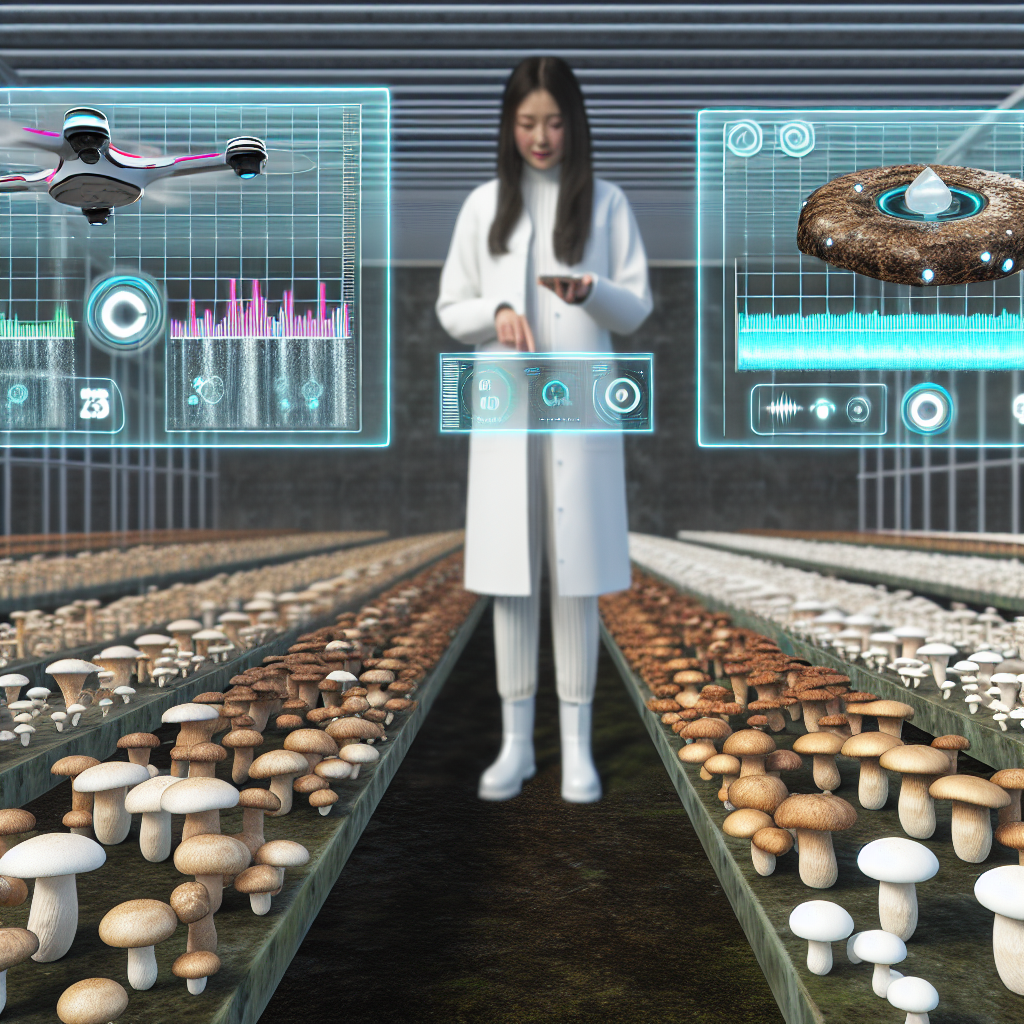
Advancements in **wearable technologies** that track physiological data, such as heart rate and brainwaves, allow real-time monitoring and adjustments to psilocybin experiences. This is akin to dose-modulation seen in pharmaceuticals, offering an unprecedented safety level in psychedelics. Moreover, programmable protocols could revolutionize clinical settings by enhancing traditional **psychotherapy**. Platforms personalized for feedback create a dynamic therapeutic ambiance, aligning with research indicating psilocybin’s effect on emotional openness and empathy, crucial for therapy success.
Conclusion
The transformation of psilocybin into a programmable protocol marks a significant leap in our capability to understand and utilize human consciousness. As technology meets natural medicine, it opens new avenues for **mental health care** that are personalized, accessible, and safe. Although the integration of psychedelic APIs is still emerging, its potential holds promise for the future of mental health treatments. Balancing tech advancements with ethical practices will be vital in fully realizing the potential of programmable psilocybin therapies.
**References**
1. [Journal of Psychopharmacology](https://link.springer.com)
2. [Springer Link](https://link.springer.com)
These references highlight foundational and contemporary studies examining the intersection of psilocybin and tech.
Concise Summary
The fusion of **psilocybin** and **technology** into programmable protocols is transforming psychedelic therapy. By utilizing **APIs** and digital tools, psilocybin-induced mental states can be tailored, enhancing treatment for conditions like **depression** and **PTSD**. Through neuroimaging, bioinformatics, and wearables, real-time monitoring ensures safety and efficacy. As psilocybin becomes more integrated into therapeutic settings, it offers promising advancements in **mental health care** while raising questions about ethical applications. Balancing technological innovation with ethical considerations will be crucial in harnessing the full potential of psychedelic APIs.

Dominic E. is a passionate filmmaker navigating the exciting intersection of art and science. By day, he delves into the complexities of the human body as a full-time medical writer, meticulously translating intricate medical concepts into accessible and engaging narratives. By night, he explores the boundless realm of cinematic storytelling, crafting narratives that evoke emotion and challenge perspectives. Film Student and Full-time Medical Writer for ContentVendor.com