Psilocybin and the Microbiome: Unlocking Gut-Brain Synergy for Mental Health Innovation
Introduction
In recent years, there has been a surge of interest in the remarkable potential of **psilocybin**, the psychoactive compound found in certain mushrooms, for treating various mental health conditions. Simultaneously, researchers have been exploring the intricate relationships between our **gut microbiome** and brain function — an axis that’s proving pivotal in understanding mental health. The intersection of these two fields is a burgeoning area of study that could revolutionize how we approach psychological and emotional well-being: it’s time to delve into the synergy between psilocybin and the microbiome.
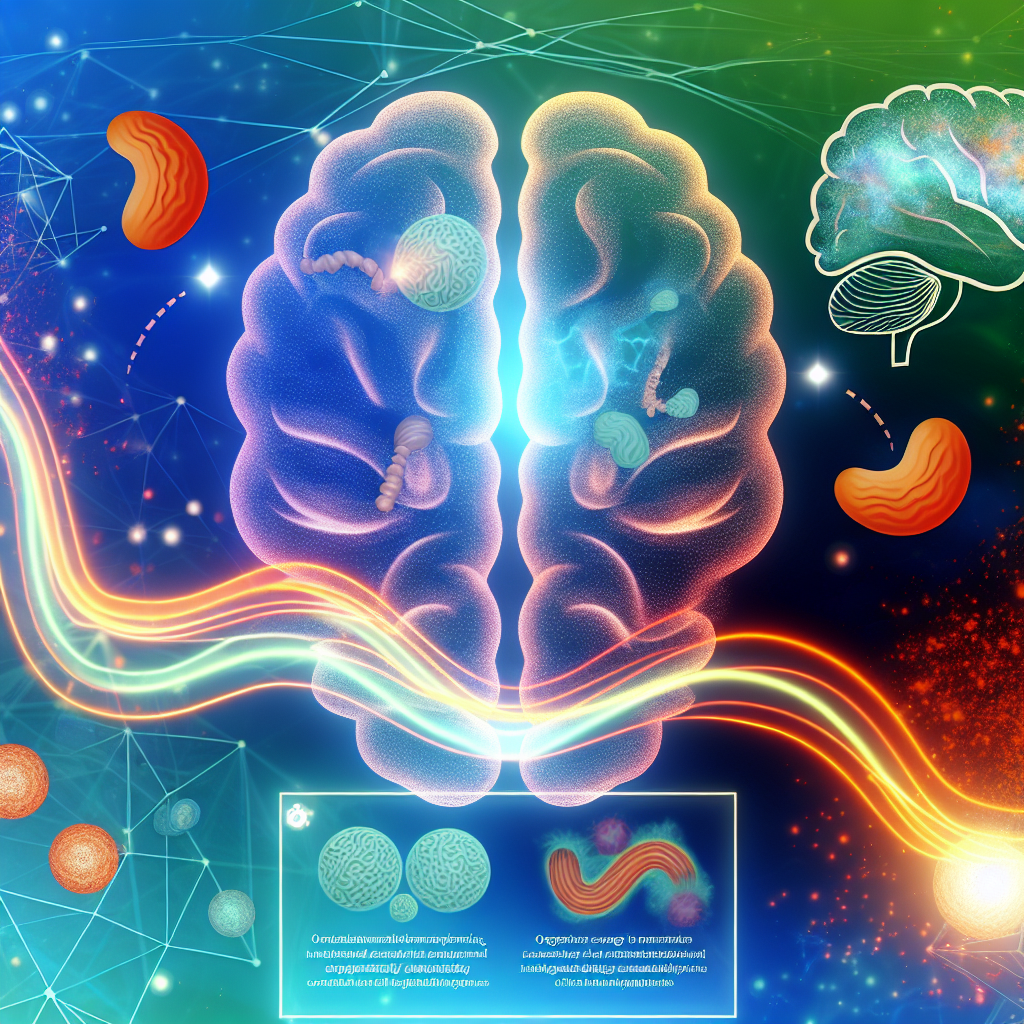
The **gut-brain axis** is a bidirectional communication system between the gastrointestinal tract and the central nervous system. This intricate network is influenced by the trillions of microbes inhabiting our guts. These resident microorganisms play a crucial role in our metabolism, immune function, and notably, neurochemical production, directly impacting **mental health**. An imbalanced microbiome, also known as **dysbiosis**, has been linked to anxiety, depression, and other neuropsychiatric disorders.
**Psilocybin’s** influence on mental health has primarily been attributed to its interaction with **serotonin receptors** in the brain. These interactions can result in altered consciousness, perception, and mood, which have shown promise in therapeutic settings. However, new theories suggest that psilocybin might also affect the microbiome — thereby influencing the gut-brain axis in ways previously unconsidered. This novel hypothesis is grounded in the understanding that psychoactive substances can alter gut flora, which could help explain the enduring changes in mood and cognition observed after psilocybin treatment.
Moreover, both psilocybin and the microbiome are influential in promoting **neural plasticity**, the brain’s ability to adapt and reorganize itself. This feature is crucial in overcoming conditions such as depression, PTSD, and anxiety, which often involve rigid and maladaptive neural patterns. The possibility of psilocybin enhancing microbial health and diversity suggests a powerful synergy, offering insights into more integrative and holistic mental health treatment strategies.
Features
Several professional and medical studies have explored the potential interaction between psilocybin, mental health, and the microbiome, shedding light on this intriguing triad. One pioneering study by researchers at [Johns Hopkins University](https://www.hopkinsmedicine.org/psychiatry/research/psychedelics-research.html) found that psilocybin-assisted therapy resulted in significantly reduced symptoms of depression and anxiety in patients with life-threatening cancer diagnoses. This study emphasized not only the psychological but also the potential physiological changes that psilocybin may trigger.
Adding to this foundation, studies on the human microbiome have revealed that gut health profoundly impacts neurotransmitter production, including serotonin, which is crucial for mood regulation ([source](https://www.sciencedirect.com/science/article/pii/S0166223619301654)). This connection highlights the potential for psilocybin to influence mental health through pathways that include microbial health and diversity.
A 2020 study published in the journal *Nature Medicine* examined the effects of microbial ecosystems on brain function, emphasizing the role of short-chain fatty acids produced by gut bacteria in regulating neuroinflammation and mood disorders ([source](https://www.nature.com/articles/s41591-019-0495-2)). Researchers posit that by modulating gut bacteria, psychedelics like psilocybin could indirectly enhance these biochemical pathways, consequently improving mental health outcomes.
Furthermore, experiments with rodent models have demonstrated that psychedelic substances, including psilocybin, can alter gut microbiota composition, leading to behavioral and physiological changes that support mental health ([source](https://www.ncbi.nlm.nih.gov/pmc/articles/PMC6530458/)). Though human studies are still in nascent stages, this evidence underscores the potential for psilocybin to act as a microbial modulator, thus encouraging a symbiotic relationship between the gut and the brain.
In summary, emerging research points to psilocybin as a multifaceted tool in mental health innovation, not only through direct neurological interactions but also via its potential effects on the gut microbiome. This represents an exciting frontier in psycho-biotic research, heralding a paradigm shift in our understanding and treatment of mental health conditions.
Conclusion
The intersection of psilocybin and the microbiome offers promising new insights into mental health treatment. By understanding how psychoactive compounds can influence microbial health, we open the door to innovative therapies that harness the gut-brain axis for improving emotional and psychological well-being. As research evolves, this synergy could redefine how we approach mental health, paving the way for more holistic and integrative treatment strategies.
**Concise Summary**: This article explores the potential synergy between **psilocybin**, a psychoactive compound, and the **gut microbiome** in revolutionizing mental health treatment. By interacting with **serotonin receptors** and potentially altering gut flora, psilocybin shows promise in affecting mood, cognition, and **neural plasticity**. Various studies highlight the mutual influence of psilocybin and microbiome on neurotransmitter production and brain function, indicating their potential in treating conditions like depression and anxiety. The integration of psilocybin with microbial health could lead to more comprehensive and holistic approaches to mental well-being.

Dominic E. is a passionate filmmaker navigating the exciting intersection of art and science. By day, he delves into the complexities of the human body as a full-time medical writer, meticulously translating intricate medical concepts into accessible and engaging narratives. By night, he explores the boundless realm of cinematic storytelling, crafting narratives that evoke emotion and challenge perspectives. Film Student and Full-time Medical Writer for ContentVendor.com