Predictive Yield Modeling Using Machine Learning and Environmental Data
Introduction
The rapidly evolving intersection of mycology and technology is presenting groundbreaking opportunities in the cultivation and application of medicinal mushrooms, including psilocybin-containing species. One of the emerging innovations gaining traction in both agriculture and pharmacognosy is the use of predictive yield modeling through machine learning and environmental data. This cutting-edge approach allows cultivators, researchers, and psilocybin strategists to forecast mushroom yields with remarkable accuracy—optimizing the resources used, reducing waste, and enhancing medicinal potency.
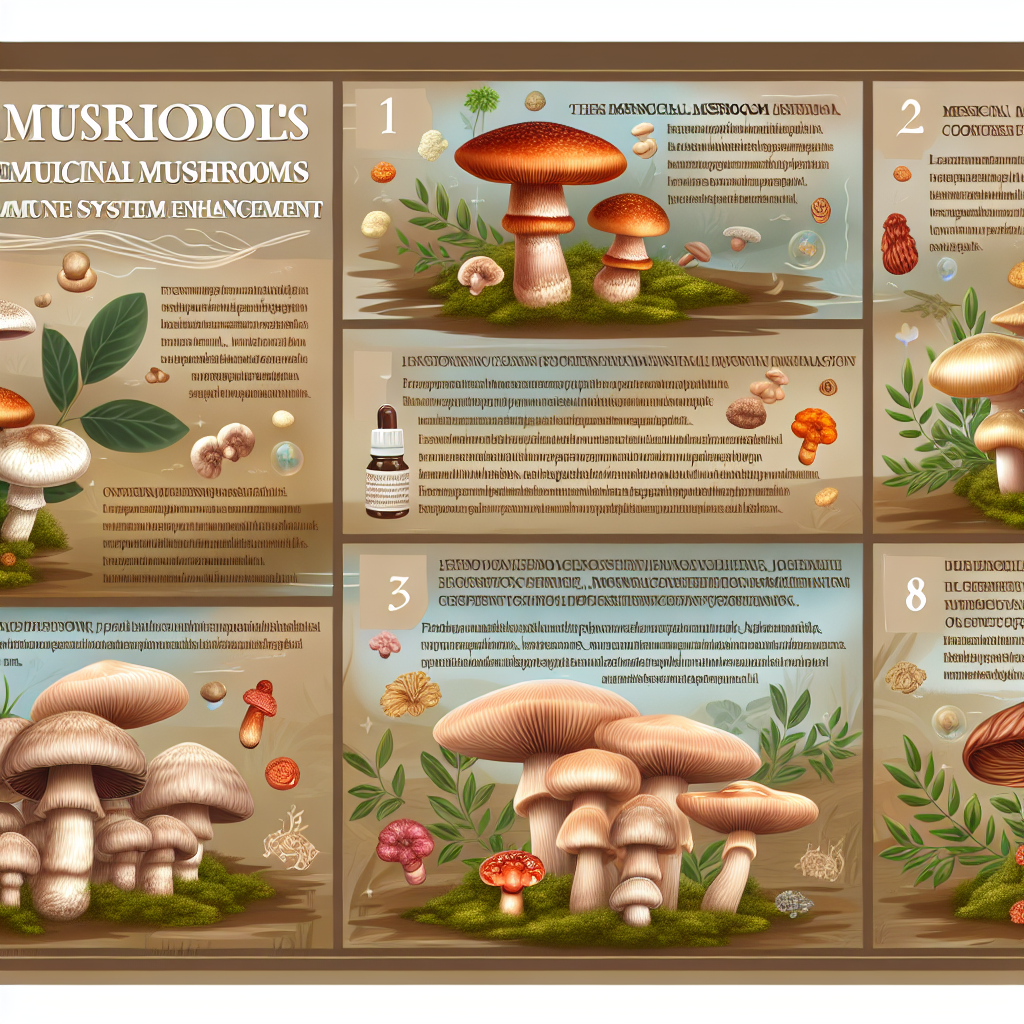
Medicinal mushrooms, such as reishi (Ganoderma lucidum), lion’s mane (Hericium erinaceus), turkey tail (Trametes versicolor), and psilocybin-containing species like Psilocybe cubensis, are known for their therapeutic benefits. These include neurogenesis support, immune modulation, anti-inflammatory activity, and mental health improvements. For these benefits to be realized consistently, growers must be able to standardize cultivation conditions and predict yields accurately. Traditionally, this was a complex and uncertain process. Environmental factors such as temperature, humidity, lighting schedules, CO₂ levels, and substrate composition all interact in nuanced ways that influence mushroom growth and potency.
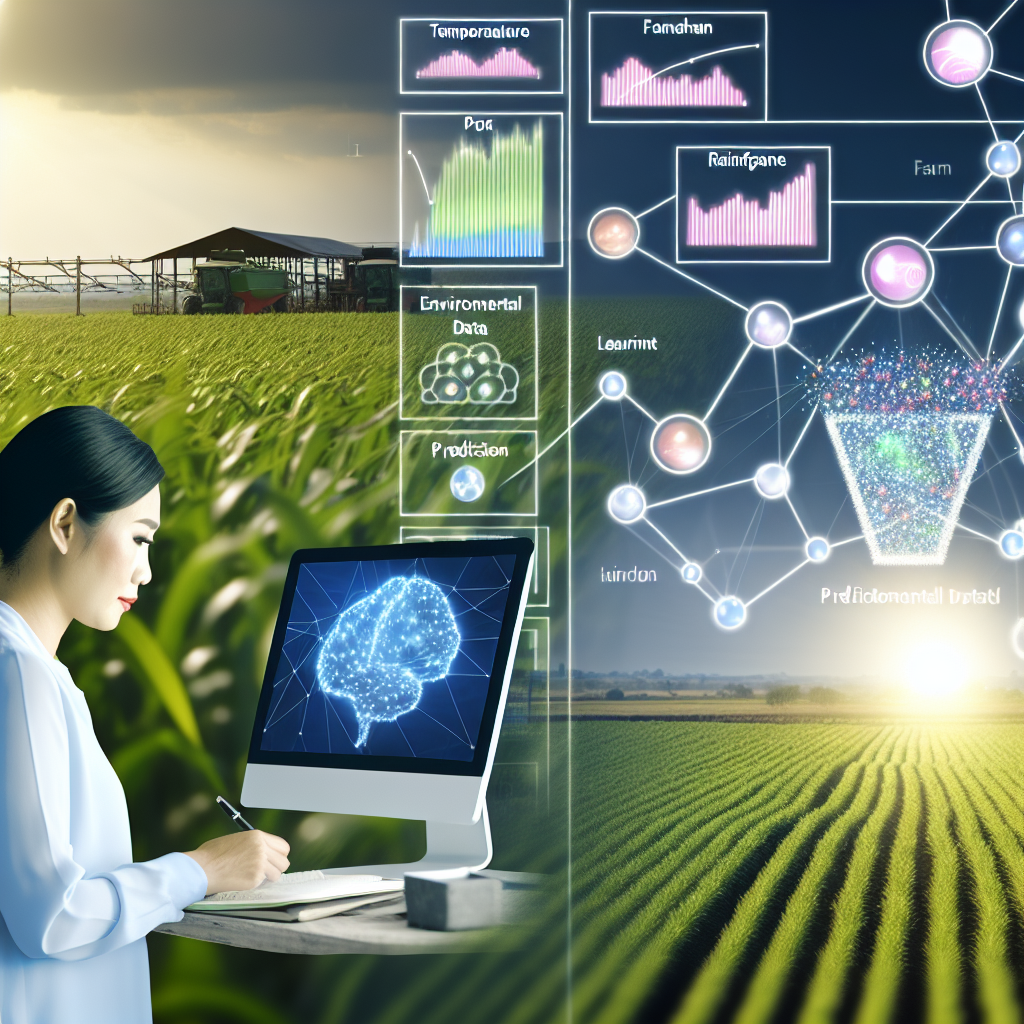
Machine learning (ML) can now process this multitude of variables, drawing from real-time sensor data and historical datasets to predict outcomes with an accuracy that would be impossible with manual methods. By creating algorithms that learn from continuous input and environmental feedback, cultivators can adjust conditions proactively to optimize their outputs—especially in controlled indoor facilities where precision is vital.
These advanced models not only provide insights into how mushrooms react to their environment but also help in designing tailored cultivation protocols for specific medicinal targets. For instance, if the goal is enhanced psilocybin concentration in therapeutic strains, ML models can identify the environmental conditions and substrate compositions most likely to augment psychedelic compound yields—revolutionizing the consistency and effectiveness of medical mushroom treatments.
As the demand for psilocybin therapy and functional mushrooms continues to rise, integrating machine learning into mushroom farming and research offers a scalable, data-driven pathway to better health outcomes and sustainable cultivation practices.
Features: Medical and Professional Studies on Predictive Modeling in Mushroom Cultivation
The application of machine learning in agriculture and pharmacognosy has expanded rapidly, and mushroom cultivation is no exception. Several professional studies and pilot projects have demonstrated the efficacy of predictive modeling in optimizing mushroom yields, particularly for species used in medical applications.
A 2022 study from the Journal of Fungal Biotechnology examined how convolutional neural networks (CNNs), a form of deep learning, could be used to identify optimal harvest times and predict yield volumes of oyster mushrooms based on environmental sensor data and image analysis. The study found that machine learning models could predict yields with over 90% accuracy, allowing for better resource management and improved product consistency.
In a 2021 report published in the journal Frontiers in Sustainable Food Systems, researchers used supervised learning models, including decision trees and support vector machines (SVMs), to model the effects of environmental variables like CO₂, humidity, and temperature on the yield of Ganoderma lucidum. The results indicated that even small shifts in carbon dioxide concentration or temperature could predictably influence not just the biomass output but also the concentration of bioactive compounds such as polysaccharides and triterpenoids.
Another important area where predictive modeling is proving invaluable is in psilocybin yield optimization. While much of this research is in the early stages due to legal restrictions, promising data from fungal genomics and metabolic pathway modeling suggest that ML can help identify growth conditions that maximize secondary metabolite production. A project from MycoMeditations, in collaboration with bioinformatics researchers, is exploring predictive algorithms to bolster psilocybin consistency in therapeutic mushroom batches suitable for clinical microdosing regimens.
Furthermore, tech startups like Smallhold and MycoTechnology are employing AI-driven environmental monitoring systems that not only predict yields but also alert growers when environmental anomalies might lead to contamination or suboptimal growth. This minimizes batch failures, reduces the risk of bacterial competition, and maintains strict quality control—which are crucial factors for medicinally certified products.
These real-world applications illustrate how ML and data analytics provide new pathways to ensure that medical mushrooms are cultivated not only efficiently but also to precise health-oriented specifications. These capabilities are particularly important for clinical trials and therapeutic programs where consistency in dosing and compound purity is essential.
Conclusion
Predictive yield modeling using machine learning and environmental data represents a cornerstone of modern medical mushroom cultivation. By utilizing intelligent algorithms and real-time monitoring, cultivators can reliably produce high-quality, potent mushrooms tailored for therapeutic use. Continued integration of data science into mycology promises to revolutionize natural medicine and functional wellness, enhancing access, consistency, and efficacy for customers and patients alike.
References
– Smallhold – Technology-Enhanced Organic Mushroom Farming
– MycoTechnology – Fungal Fermentation for Nutritional and Medicinal Enhancement
Concise Summary
Machine learning is transforming medicinal mushroom cultivation by enabling predictive yield modeling based on environmental data such as temperature, CO₂, humidity, and substrate composition. This technology improves accuracy, consistency, and efficiency in producing strains like reishi, lion’s mane, and psilocybin variants. Studies show machine learning models, including CNNs and decision trees, can forecast mushroom yields with over 90% accuracy. Startups and research collaborations are leveraging these tools to optimize potency, reduce waste, and create consistent therapeutic products, especially important for clinical and microdosing applications. Predictive AI modeling is emerging as a vital tool in sustainable, high-quality mushroom farming.

Dominic E. is a passionate filmmaker navigating the exciting intersection of art and science. By day, he delves into the complexities of the human body as a full-time medical writer, meticulously translating intricate medical concepts into accessible and engaging narratives. By night, he explores the boundless realm of cinematic storytelling, crafting narratives that evoke emotion and challenge perspectives. Film Student and Full-time Medical Writer for ContentVendor.com