Neuroadaptive Pathways: Unlocking Brain Potential with Psilocybin-Infused Tech
In the quest to unlock the full potential of the human brain, researchers and technologists are turning to an unlikely ally: **psilocybin**, the active compound in **psychedelic mushrooms**. The fascination with psilocybin isn’t new; **indigenous cultures** have utilized its mind-expanding properties for centuries in spiritual and healing rituals. However, the modern scientific community is only now beginning to fully understand and harness its potential. **Today**, psilocybin’s potential is being explored beyond traditional settings through the integration of advanced technology, leading to a novel area of innovation—**psilocybin-infused tech**.
This fusion aims to leverage **psilocybin’s** ability to enhance **neuroplasticity**, the brain’s capacity to reorganize itself by forming new neural networks. By creating **neuroadaptive pathways**, psilocybin-infused technology could redefine our approach to **cognitive enhancement**, **mental health treatment**, and even creative problem-solving. Imagine devices that, when used alongside psilocybin, could stimulate targeted brain regions, accelerating the creation of new neural pathways and thereby heightening focus, improving emotional stability, and encouraging cognitive flexibility.
This potential aligns with the shifting perspectives within healthcare and wellness sectors that are increasingly seeing neuroadaptive psychedelic experiences as a proactive approach to mental and emotional well-being. With traditional methods sometimes failing to address complex neurological issues or lagging in efficiency, the intersection of **psychedelics and technology** opens up a new realm of possibilities for patients and practitioners alike. Furthermore, as societal acceptance of psychedelics grows, combined with advancements in **wearable technology** and **digital therapeutics**, we are on the cusp of a revolutionary change in how we approach cognitive and mental health. Psilocybin-infused technology could personalize treatment plans, offer real-time feedback to users, and possibly transform the landscape of brain health.
Features: Exploring Professional and Medical Insights
Recent years have seen a surge in research exploring the synergy between **psilocybin** and **technological innovation**. One pivotal study conducted at [**Johns Hopkins University**](https://www.hopkinsmedicine.org) found that psilocybin, when administered in a controlled therapeutic setting, led to significant and lasting positive changes in patients suffering from depression and anxiety disorders. This study laid the groundwork for considering how psilocybin could be integrated with technology to induce and manage neuroadaptive pathways.
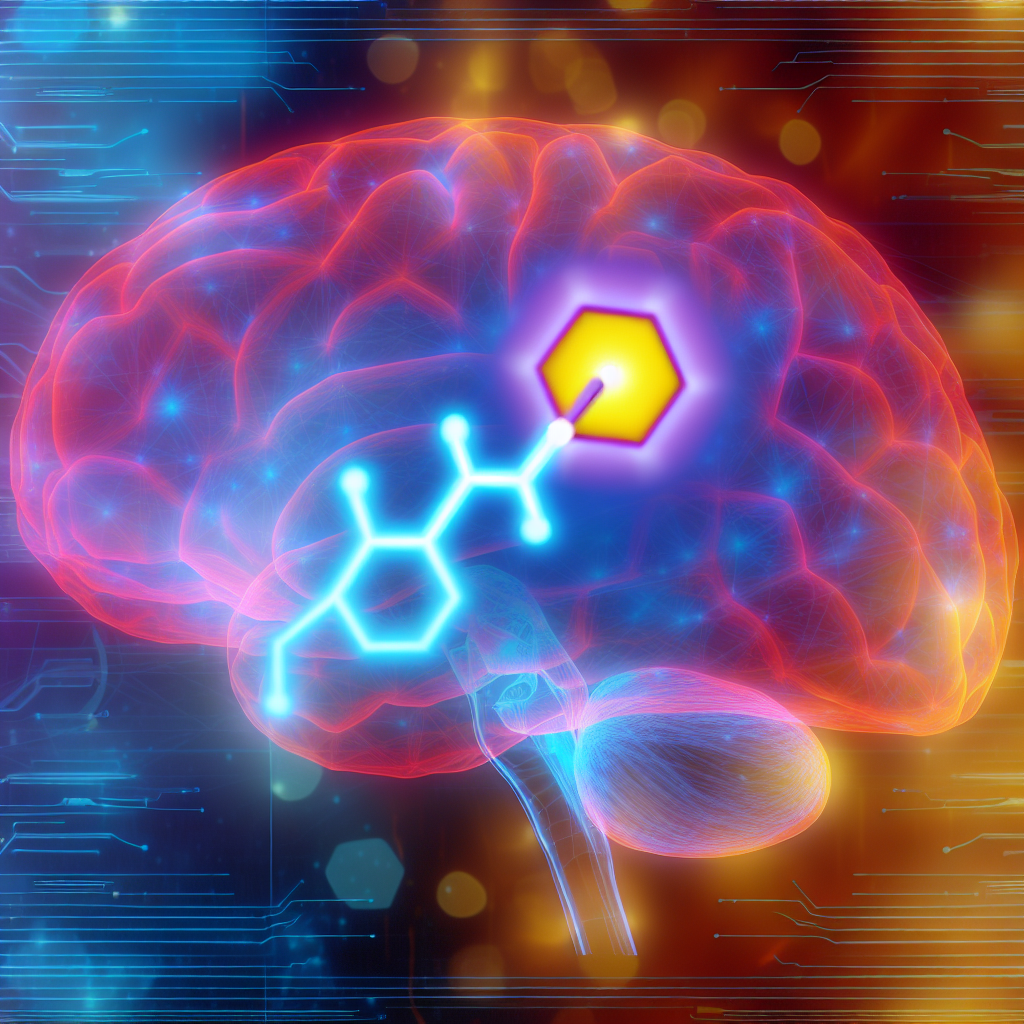
The essence of psilocybin’s effect on the brain lies in its interaction with **serotonin receptors**, particularly the **5-HT2A receptor**. This interaction is believed to result in an altered state of consciousness that contributes to enhanced neural plasticity. Coupling this with neurostimulative technologies such as **transcranial magnetic stimulation** or **EEG neurofeedback** creates an amplified therapeutic effect. Such integrations could accelerate the rewiring of brain networks, aiding in the treatment of conditions like **PTSD**, **addiction**, and **major depressive disorder**.
Moreover, researchers at [**Imperial College London**](https://www.imperial.ac.uk) have demonstrated, via functional magnetic resonance imaging (**fMRI**), that psilocybin increases connectivity between different brain regions. This enhanced connectivity potentially aids users in breaking free from negative thought patterns and rigid cognitive states. Positing another layer, the use of **augmented reality** and **virtual reality platforms** alongside psilocybin may offer immersive experiences that further stimulate cognitive and emotional processing.
The integration of psilocybin into ‘smart’ therapies—where personalized feedback from **wearable biosensors** helps in calibrating dosages and monitoring patient responses—adds another dimension to this burgeoning field. When woven into biotechnological applications, psilocybin’s ability to create adaptable neural pathways presents a promising future for personalized medicine.
Conclusion: Awakening the Mind’s Hidden Potential
As the landscape of **mental health treatment** continues to evolve, the marriage of psilocybin and tech stands as a promising frontier. It represents a new age of synergy between ancient wisdom and modern innovation, holding the potential to revolutionize our understanding and treatment of the human brain. By embracing this groundbreaking fusion, we may not only improve mental health outcomes but also elevate our collective cognitive capacity to unprecedented heights.
**References:**
1. [Johns Hopkins Medicine. (2021). Psilocybin for treatment-resistant depression shows promise in Johns Hopkins trial.](https://www.hopkinsmedicine.org)
2. [Imperial College London. (2019). Brain mechanisms of psilocybin effects revealed in MRI study.](https://www.imperial.ac.uk)
**Concise Summary**
Researchers are exploring the potential of integrating **psilocybin** with technology to enhance **neuroplasticity**, creating **neuroadaptive pathways** that may redefine cognitive enhancement and mental health treatment. Psilocybin’s interaction with serotonin receptors could improve focus, emotional stability, and cognitive flexibility. Studies show its efficacy, notably at **Johns Hopkins** and **Imperial College London**, where it’s been linked to increased brain connectivity. With growing societal acceptance and technological advancement, psilocybin-infused tech may offer personalized treatments and revolutionize mental health approaches, enhancing cognitive capacities and offering new therapeutic insights.

Dominic E. is a passionate filmmaker navigating the exciting intersection of art and science. By day, he delves into the complexities of the human body as a full-time medical writer, meticulously translating intricate medical concepts into accessible and engaging narratives. By night, he explores the boundless realm of cinematic storytelling, crafting narratives that evoke emotion and challenge perspectives. Film Student and Full-time Medical Writer for ContentVendor.com