Mushroom Mycelium vs Fruiting Body Nutrient Comparison
Introduction
In recent years, functional mushrooms have become prominent in the wellness industry, celebrated for their immune-boosting, adaptogenic, and neuroprotective qualities. With the rapid growth of mushroom-based supplements, consumers are looking more closely at a key distinction in labeling: are the supplements derived from mycelium or the fruiting body? This difference plays a crucial role in determining the supplement’s potency, nutritional content, and therapeutic efficacy.
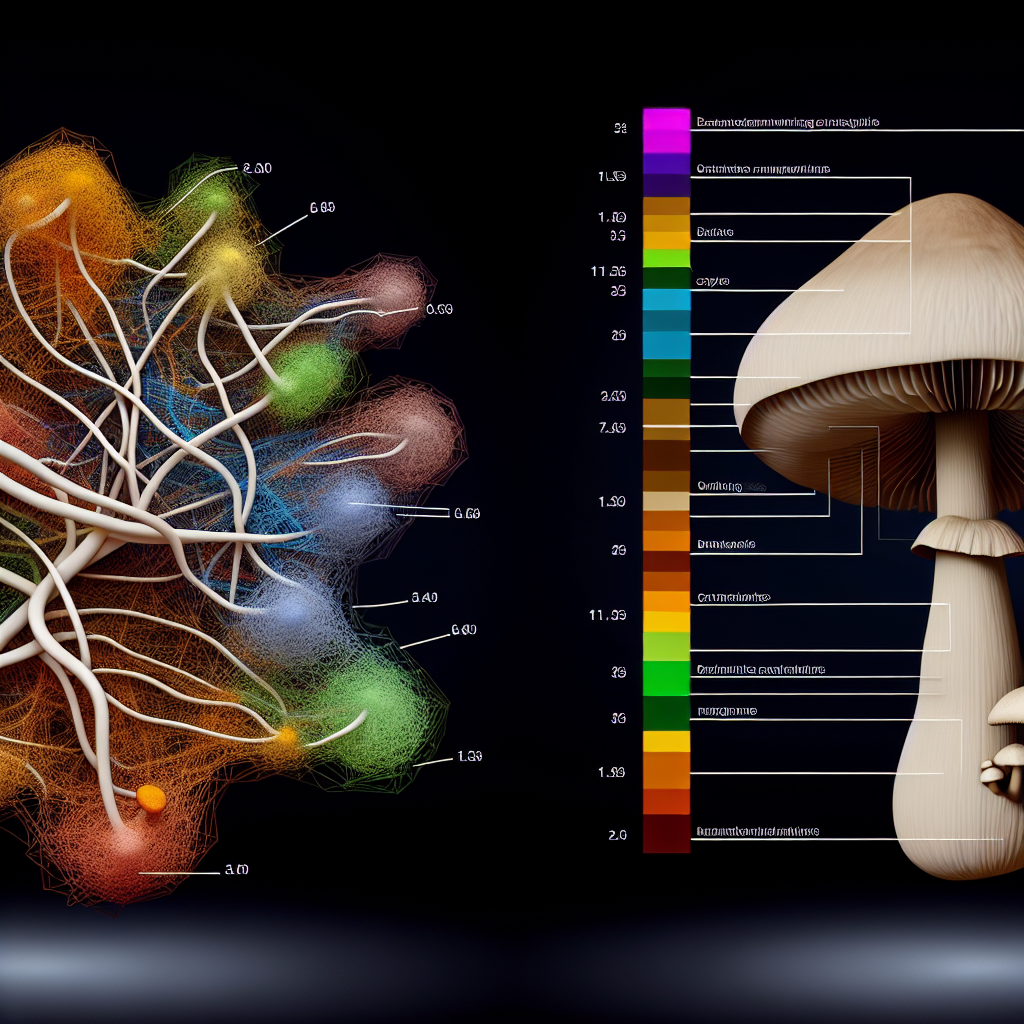
Mycelium represents the vegetative network—the root-like system of the fungus that extends underground or within organic material. The fruiting body is the mature stem and cap that grows above ground and is what we traditionally recognize as a “mushroom.” While both are vital to a fungus’s life cycle, they contain different compounds with varying health impacts.
Many commercial supplements favor mycelium grown on grain substrates (like rice or oats), which often remain in the finished product. This can dilute the therapeutic components. By contrast, supplements made using only the fruiting body are typically more concentrated in important bioactives like beta-glucans, triterpenoids, antioxidants, and sterols.
Consumers aiming for optimal health benefits often ask, “Which is better: mycelium or fruiting body?” While the best choice can depend on specific health goals, this article provides science-based comparisons and reputable expert insights to help you make informed decisions about your mushroom supplements.
Features and Scientific Comparison
Extensive studies have analyzed the biochemical makeup of both mycelium and fruiting bodies, uncovering vital differences in nutrient concentrations and health-promoting properties.
Research indicates that beta-glucans—complex polysaccharides that support immune health—are notably more concentrated in the fruiting body. A study published in the Journal of Dietary Supplements (2017) found higher levels of beta-glucans in species such as Reishi (Ganoderma lucidum) and Lion’s Mane (Hericium erinaceus) when supplements were derived from the fruiting bodies.
While mycelium grows more rapidly and is cost-effective to produce—especially when cultivated on grain—the use of whole mycelium-and-grain blends can lead to considerable loss in bioactive concentration. According to the United States Pharmacopeia (USP) 2017 report, supplements made this way may have a diluted therapeutic yield due to residual substrate content, often resulting in lower beta-glucan density.
Despite these shortcomings, not all mycelium products are ineffective. A 2019 study from the Mycological Society of America found that certain mycelium grown in liquid fermentation (without grain) still showed potential antioxidant and anti-inflammatory activity. However, fruiting bodies remained superior in beta-glucan content.
Respected mycologists, including Paul Stamets, recommend using only 100% fruiting body-based supplements—particularly for serious concerns such as cognitive decline, inflammation, and immune system dysfunction. His company, Fungi Perfecti, prioritizes fruiting body extractions for their superior potency and well-rounded therapeutic applications.
Moreover, traditional healing systems like Traditional Chinese Medicine (TCM) have relied solely on the mushroom’s fruiting bodies for centuries. This longstanding preference adds further credibility to their medicinal effectiveness.
Other potent bioactive compounds more abundant in the fruiting body include ergothioneine—a rare amino acid with powerful antioxidant effects—and triterpenoids, especially in mushrooms like Reishi and Chaga. These have been shown to support anti-tumor activity, reduce hypertension, and promote liver health, as documented in a publication by Frontiers in Pharmacology (2020).
Today, third-party testing and certifications are becoming vital indicators of product quality. Reputable labels such as NSF and USP Verified confirm the supplement’s beta-glucan content, absence of grain fillers, and authenticity of source materials—ensuring you get what the label promises.
Conclusion
Understanding the unique biochemical profiles of mushroom mycelium and fruiting bodies is essential for making informed choices when selecting mushroom-based supplements. While both components offer health benefits, the fruiting body overwhelmingly leads in terms of beta-glucan concentration, antioxidant content, and therapeutic effectiveness. Modern science and ancient traditions agree—when it comes to maximizing medicinal value, supplements made from 100% fruiting body are often superior. For optimum wellness, choose products with verified third-party testing and clear labeling to ensure authenticity and potency.
Concise Summary
Fruiting bodies of mushrooms contain significantly higher levels of important bioactives like beta-glucans, antioxidants, and triterpenoids compared to mycelium, especially when the latter is grown on grain. While mycelium-based supplements can still provide some benefits, fruiting body supplements are more potent and preferred by experts and traditional medicine alike. Consumers should seek out third-party tested, 100% fruiting body supplements with certifications from bodies like USP or NSF for optimal health benefits.
References
– Journal of Dietary Supplements (2017) – Analytical Assessment of Beta-Glucans in Medicinal Mushrooms
– USP Convention (2017) – Quality and Composition Guidelines of Fungal Supplements
– Mycologia (2019) – Nutritional Comparison of Mycelium and Fruiting Bodies in Mushroom Supplements
– Chinese Medical Journal (2015) – Traditional Uses and Pharmacological Properties of Medicinal Mushrooms
– Frontiers in Pharmacology (2020) – Biochemical Properties and Targeted Applications of Ergothioneine and Triterpenoids in Functional Mushrooms

Dominic E. is a passionate filmmaker navigating the exciting intersection of art and science. By day, he delves into the complexities of the human body as a full-time medical writer, meticulously translating intricate medical concepts into accessible and engaging narratives. By night, he explores the boundless realm of cinematic storytelling, crafting narratives that evoke emotion and challenge perspectives. Film Student and Full-time Medical Writer for ContentVendor.com