Medicinal Mushrooms for Metabolic Syndrome Blood Sugar Research
Introduction
Metabolic syndrome is a collection of conditions—including high blood pressure, elevated blood sugar, abdominal obesity, and abnormal cholesterol—that significantly increase the risk of heart disease, stroke, and type 2 diabetes. Globally, this syndrome affects over 1 billion people and is considered a growing health crisis.
One of the core conditions associated with metabolic syndrome is insulin resistance, where the body doesn’t respond effectively to insulin, resulting in persistently high blood sugar. While traditional management through diet, exercise, and medication plays a critical role, many are turning to natural alternatives to support metabolic health.
Among the most promising natural options are medicinal mushrooms—a class of fungi rich in bioactive compounds that have been used in traditional medicine for centuries. Species like Reishi (Ganoderma lucidum), Cordyceps (Cordyceps sinensis), and Maitake (Grifola frondosa) are gaining attention for their potential roles in managing blood sugar and improving other aspects of metabolic health.
These mushrooms are known for their content of polysaccharides, triterpenoids, and beta-glucans—natural compounds that help regulate blood glucose, reduce inflammation, and improve cholesterol levels. When combined with conventional medical approaches, medicinal mushrooms could become a powerful part of a comprehensive strategy to combat metabolic syndrome.
Features and Medical Research
Scientific research on the role of medicinal mushrooms in treating and managing metabolic syndrome has grown significantly in recent years. Numerous studies emphasize their hypoglycemic (blood sugar-lowering), anti-inflammatory, and insulin-sensitizing properties.
Reishi (Ganoderma lucidum)
Known as the “mushroom of immortality,” Reishi is rich in compounds like triterpenes and polysaccharides that modulate glucose metabolism. In a study published in the journal Phytochemistry, diabetic mice treated with Reishi extract experienced reduced blood glucose levels and improved insulin responsiveness. The mushroom may enhance pancreatic beta-cell function, which is vital for insulin production, and reduces oxidative stress, a prominent factor in diabetes-related complications.
Cordyceps (Cordyceps sinensis)
Traditionally used in Chinese medicine to enhance endurance and lung function, Cordyceps has shown strong blood glucose-lowering effects in clinical settings. A notable animal study published in the Journal of Evidence-Based Complementary & Alternative Medicine found that Cordyceps supplementation led to lower fasting blood sugar and improved lipid profiles in diabetic rats. Its benefits are linked to the activation of AMP-activated protein kinase (AMPK), a key regulator of energy balance, glucose uptake, and fat metabolism.
Maitake (Grifola frondosa)
The Maitake mushroom contains a well-known compound called the D-fraction, a potent beta-glucan shown to mimic insulin’s activity. A Japanese clinical trial involving diabetic patients indicated that Maitake extract significantly decreased blood glucose levels with no negative side effects. The mushroom supports better glucose tolerance and enhances cellular glucose uptake, making it viable as a complementary therapy for those with type 2 diabetes ([PubMed study](https://pubmed.ncbi.nlm.nih.gov/10729629/)).
Beta-Glucans and Gut Microbiota
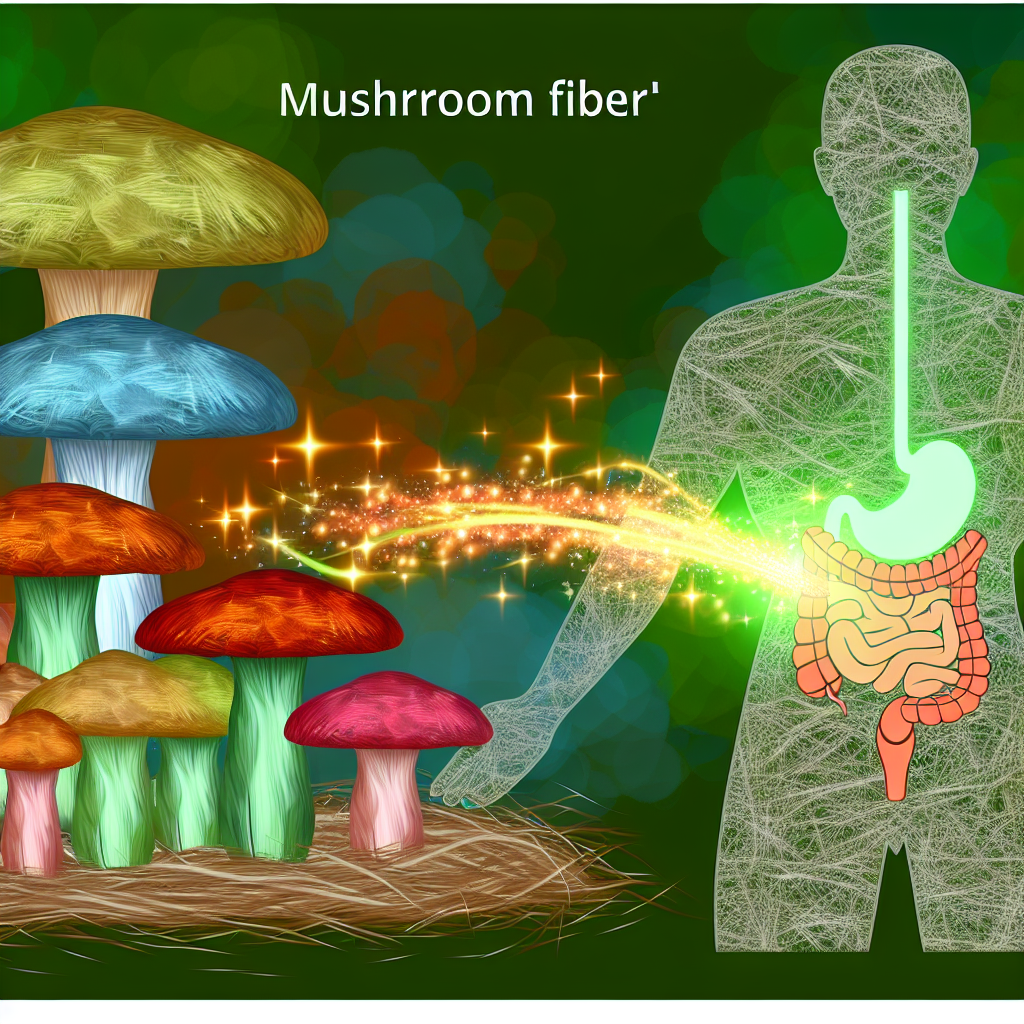
Beta-glucans, naturally occurring in all medicinal mushrooms, also support a healthy gut microbiome. A balanced gut flora is strongly linked to better metabolic outcomes, including enhanced glucose metabolism and reduced systemic inflammation. Research in Frontiers in Immunology suggests that mushroom-derived beta-glucans positively interact with gut bacteria, potentially helping prevent and manage metabolic syndrome.
Synergy with Conventional Therapies
In a randomized controlled trial, participants using mushroom extracts alongside standard medical treatments showed further improvements in their lipid profiles and experienced decreased inflammation compared to those using only conventional approaches. This highlights the potential of mushrooms not only as supportive elements but also as integral components in managing complex metabolic conditions. For more details, see the research published in the Nutrients Journal.
Conclusion
As the scientific community continues to uncover the health benefits of natural compounds, medicinal mushrooms are standing out as a promising, evidence-backed aid for managing blood sugar and metabolic dysfunction. Their rich profile of adaptogenic and metabolism-enhancing compounds aligns well with modern interventions for metabolic syndrome.
Whether it’s Reishi for insulin sensitivity, Cordyceps for AMPK activation, or Maitake for mimicking insulin actions, incorporating these fungi into a health regimen—under the guidance of a qualified healthcare provider—may assist in achieving better blood sugar control, reducing inflammation, and promoting overall metabolic wellness.
Concise Summary
Medicinal mushrooms like Reishi, Cordyceps, and Maitake are showing great promise in supporting blood sugar regulation and overall metabolic health. Rich in compounds such as polysaccharides and beta-glucans, these mushrooms help reduce inflammation, improve insulin sensitivity, and balance cholesterol levels. Scientific studies have confirmed their ability to enhance glucose metabolism, and their positive interaction with gut microbiota adds an extra layer of benefit. When used alongside traditional therapies, medicinal mushrooms may serve as effective, natural tools in managing metabolic syndrome and preventing progression to type 2 diabetes.
References
– Ganoderma lucidum extract and glucose regulation: Phytochemistry Journal
– Cordyceps sinensis and metabolic regulation: Journal of Evidence-Based Complementary & Alternative Medicine
– Maitake mushroom and blood glucose: PubMed
– Gut microbiota and beta-glucans from mushrooms: Frontiers in Immunology
– Medicinal mushrooms as complementary therapies: Nutrients Journal

Dominic E. is a passionate filmmaker navigating the exciting intersection of art and science. By day, he delves into the complexities of the human body as a full-time medical writer, meticulously translating intricate medical concepts into accessible and engaging narratives. By night, he explores the boundless realm of cinematic storytelling, crafting narratives that evoke emotion and challenge perspectives. Film Student and Full-time Medical Writer for ContentVendor.com