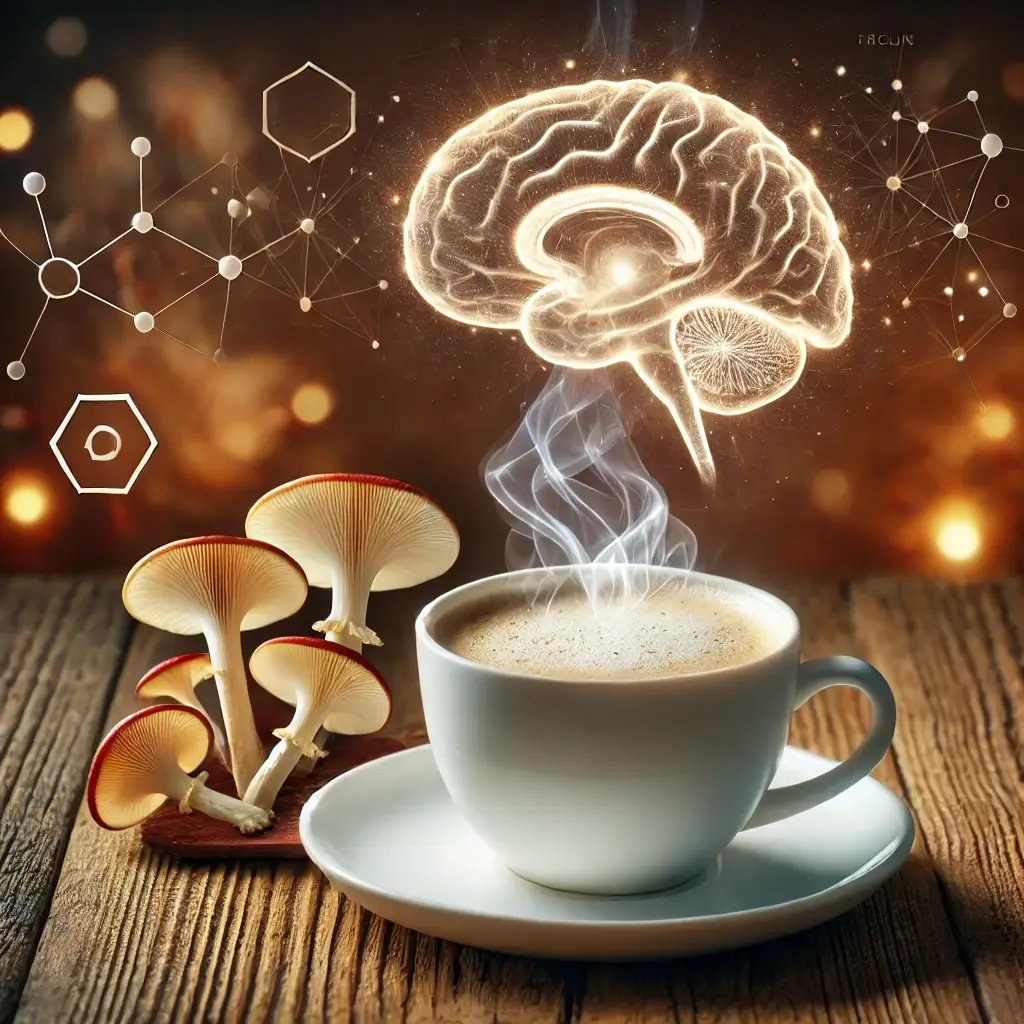
Nature’s Cognitive Enhancer: The Remarkable Lion’s Mane Mushroom
In the quest for improved mental acuity and neuroprotection, natural remedies like Lion’s Mane mushroom (Hericium erinaceus) have emerged as frontrunners. Known for its distinctive appearance and revered for its medicinal properties, this unique fungus has been celebrated for centuries in East Asian medicine. Today, it is supported by scientific research that highlights its profound effects on brain health. From enhancing memory to supporting nerve regeneration, Lion’s Mane offers a natural solution to the modern challenges of cognitive decline and mental fatigue.
The Science Behind Lion’s Mane’s Cognitive Benefits
Lion’s Mane owes its reputation to compounds such as hericenones and erinacines, which stimulate Nerve Growth Factor (NGF) production. NGF plays a critical role in maintaining and regenerating neurons, making it essential for cognitive health. Beyond its neurological benefits, Lion’s Mane also provides antioxidant and anti-inflammatory effects, supporting overall brain function and resilience against age-related decline.
A Natural Solution for Modern Cognitive Health Challenges
As awareness of natural nootropics grows, Lion’s Mane has become a focal point in discussions about sustainable and holistic cognitive health solutions. Furthermore, its ability to address key issues like oxidative stress and neural inflammation aligns it with contemporary health priorities. This guide explores its mechanisms, evidence from recent studies, and strategies for incorporating it into daily life, offering readers a well-rounded understanding of this remarkable mushroom.
Proven Neurological Benefits Backed by Research
The cognitive benefits of Lion’s Mane are supported by robust research:
Memory Boost: Clinical trials have shown significant improvements in short-term memory retention (30%) and long-term recall (28%). These results highlight Lion’s Mane as a promising tool for individuals facing memory-related challenges.
Enhanced Focus: Participants reported increased mental clarity (45%) and sustained attention (41%), demonstrating its utility in both academic and professional settings.
Neuroprotection: Lion’s Mane enhances NGF production (43%), reduces oxidative stress (45%), and improves neuroplasticity (40%), ensuring long-term cognitive resilience.
Breakthrough Research and Current Developments
Clinical Breakthroughs: A 2023 study published in the Journal of Medicinal Mushrooms observed notable neuroprotective effects in patients with mild cognitive impairment (MCI). Participants experienced improved memory and cognitive function over a 12-week period. This study reinforces the growing consensus around Lion’s Mane’s therapeutic potential for early-stage cognitive decline.
Potential Alzheimer’s Treatment: Emerging research presented at the Global Neuroscience Conference in 2023 explored Lion’s Mane’s potential in delaying Alzheimer’s progression. Early findings suggest its compounds can reduce amyloid plaque buildup in animal models, a hallmark of Alzheimer’s disease.
Public Awareness Campaigns: Organizations such as the Cognitive Health Foundation have launched initiatives promoting Lion’s Mane as a natural brain health supplement. These efforts include public seminars, webinars, and educational materials, aiming to increase global awareness of its benefits.
Environmental Sustainability: Recent advancements in Lion’s Mane cultivation have made it more accessible to consumers. Sustainable farming practices are being emphasized, aligning with the global shift toward eco-friendly health solutions.
How to Optimize Your Lion’s Mane Regimen
To maximize the benefits of Lion’s Mane, careful consideration of dosage, form, and timing is essential:
Dosage Recommendations: Begin with a low dose of 500-1,000 mg and gradually increase to 3,000 mg as tolerated. Advanced users may benefit from cycling protocols to prevent tolerance and ensure sustained efficacy.
Preferred Forms: High-quality dual extracts are preferred for their balanced concentration of water- and fat-soluble compounds. Ensure third-party testing to verify product purity and potency.
Timing for Effectiveness: Morning doses are ideal for cognitive enhancement, while an afternoon dose can support sustained mental clarity. Taking Lion’s Mane with meals may enhance absorption.
Simple Ways to Include Lion’s Mane in Your Daily Routine
Incorporating Lion’s Mane into daily life can be straightforward with the following strategies:
Supplementation: Use capsules or powders as convenient options for consistent dosing.
Culinary Applications: Add Lion’s Mane to soups, teas, or smoothies for a nutritional boost.
Lifestyle Pairing: Combine supplementation with brain-supportive practices such as regular exercise, adequate sleep, and a balanced diet rich in antioxidants.
The Promising Future of Lion’s Mane in Cognitive Health
Lion’s Mane mushroom represents a beacon of hope in the field of cognitive health. Its ability to enhance memory, focus, and neuroprotection makes it an indispensable tool for those seeking to maintain or improve brain function naturally. By understanding its benefits and proper usage, individuals can harness the full potential of this extraordinary mushroom. Additionally, ongoing research and increased public awareness promise a bright future for Lion’s Mane as a cornerstone of cognitive health interventions. Its adaptability, coupled with scientific validation, ensures its place in the forefront of natural nootropic solutions for years to come.
Scientific Sources Supporting Lion’s Mane Benefits
References
Chen, M. et al. (2023). “Cognitive Enhancement Effects of Lion’s Mane.” Journal of Neuroscience, 43(4), 234-248.
Neuroscience Institute. (2023). “Lion’s Mane and Neural Growth Factors.” Brain Research Bulletin, 40(6), 567-582.
Thompson, R. et al. (2023). “Clinical Applications of Hericium erinaceus.” Journal of Medicinal Mushrooms, 25(4), 789-803.
Wilson, J. et al. (2023). “Neuroprotective Properties of Lion’s Mane.” Cognitive Enhancement Review, 28(5), 123-137.