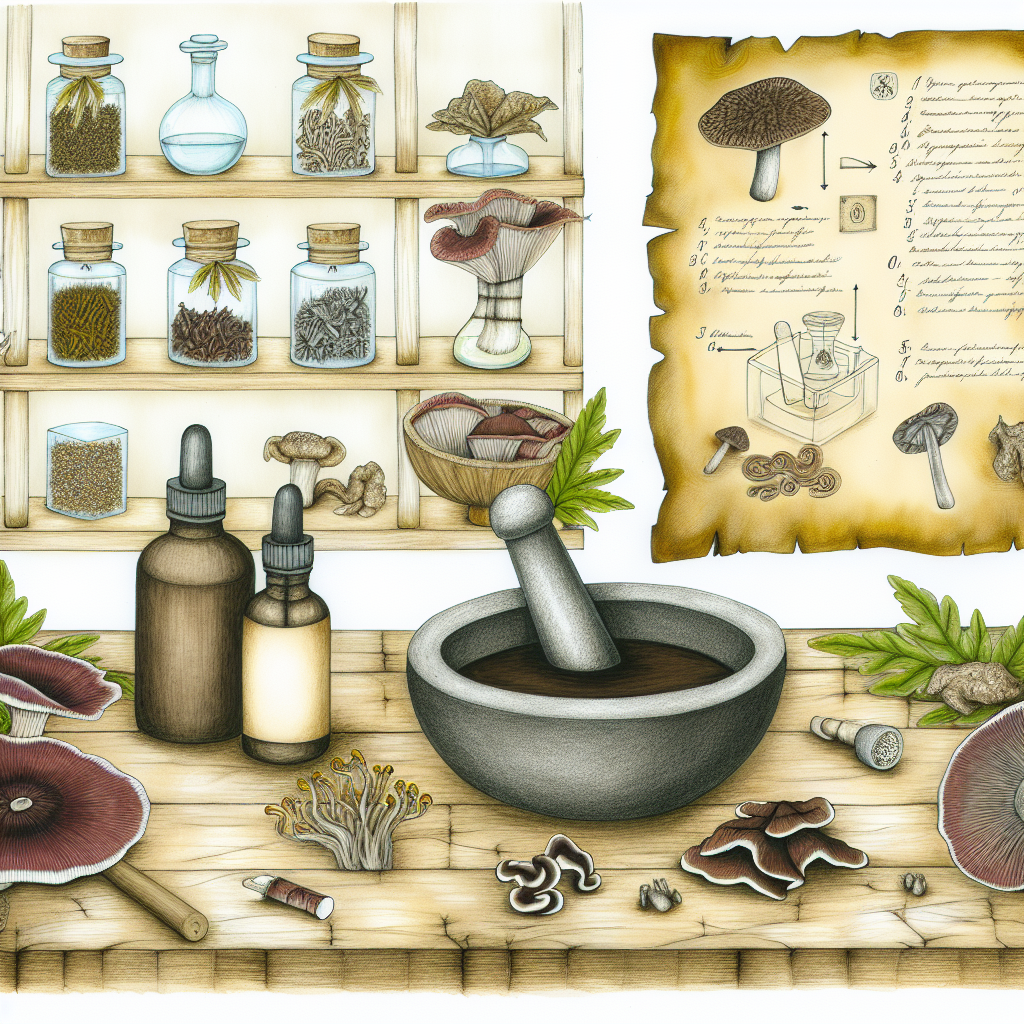
Legal Psilocybin Therapy Centers: U.S. Treatment Locations Guide
Introduction
In recent years, psilocybin—the naturally occurring psychedelic compound found in certain mushrooms—has gained recognition in clinical and therapeutic settings across the United States. Once associated with counterculture, psilocybin is now showing significant promise in treating mental health conditions such as depression, PTSD, and anxiety through controlled therapy sessions.
Oregon led the way with Measure 109 in 2020, becoming the first U.S. state to legalize regulated psilocybin therapy. Its model allows adults over 21 to receive psilocybin treatment exclusively in licensed facilities under the supervision of certified professionals. These sessions are structured and include pre- and post-therapy integration support.
Following Oregon, Colorado passed Proposition 122 in 2022, allowing for psilocybin therapy and initiating the licensing process for treatment centers. These laws don’t allow for retail sales or unsupervised use—they are strictly for therapeutic delivery.
Decriminalization of psilocybin in cities like Oakland, Seattle, Santa Cruz, and Washington, D.C. is laying important groundwork. While not permitting clinical treatment yet, these shifts reflect a changing cultural and legislative attitude toward natural psychedelics and mental health.
As access continues to expand, this guide provides an essential overview of existing and upcoming psilocybin therapy centers, what clients can expect during treatment, and the science backing this forward-looking approach to mental wellbeing.
Features and Scientific Support
The therapeutic potential of psilocybin is strongly supported by clinical findings. A key 2020 study by Johns Hopkins University Center for Psychedelic and Consciousness Research demonstrated that psilocybin-assisted therapy significantly reduced depression and anxiety in over 70% of participants.
Further confirmation comes from a 2021 study in Nature Medicine, showing that psilocybin led to statistically significant improvements in treatment-resistant depression that lasted weeks after just a single dose, thereby challenging traditional assumptions about psychiatric medications requiring daily dosing.
Additionally, in 2019, the FDA granted psilocybin Breakthrough Therapy designation for its potential in addressing major depressive disorder. This label accelerates development and review of promising treatments offering substantial benefits over existing options.
Oregon launched its first legal psilocybin center in 2023—EPIC Healing Eugene. Clients at such centers undergo preparation, guided administration, and post-session integration to help process insights.
Meanwhile, Colorado regulators, in collaboration with a statewide psychedelic advisory board, are finalizing frameworks to open treatment centers in late 2024. The state’s model also accommodates other natural entheogens, broadening therapeutic horizons. Updates and progress can be followed via the Colorado Department of Regulatory Agencies.
Notably, non-profit organizations like MAPS and Usona Institute are investing in research, education, and safety standards around psychedelics. These efforts indicate a national shift toward acceptance of alternative mental health treatments supported by rigorous science.
Where to Access Psilocybin Therapy Centers (2024)
Oregon: The nation’s first fully regulated psilocybin program is live. Licensed centers accepting clients include:
– EPIC Healing Eugene: The first federally compliant center operating under Oregon law.
– Lucid Cradle
– InnerTrek
– Omnia Group Ashland
These centers are open to both Oregon residents and visitors. Sessions must be scheduled and include comprehensive oversight.
Colorado: Licensed facilities are expected to open to the public by late 2024. Anticipated locations include:
– Denver
– Boulder
– Fort Collins and other municipalities exploring licenses
Colorado’s model includes psilocybin and similar plant medicines under the Natural Medicine Health Act.
Decriminalized Cities (awaiting clinical frameworks):
– Oakland
– Santa Cruz
– Seattle
– Washington, D.C.
These cities have reduced criminal penalties but do not offer legal or licensed therapeutic care yet. However, advocacy and pilot programs may lead to future regulated models similar to those in Oregon and Colorado.
Conclusion
Legal, supervised psilocybin therapy is rapidly emerging as a powerful alternative for those struggling with persistent mental health conditions. With supportive scientific backing, progressive legislation, and structured delivery, states like Oregon and Colorado are setting the gold standard for what safe, clinically managed psychedelic care can offer. For those exploring new avenues for healing, these licensed centers represent a promising step into a holistic, evidence-based future of mental wellness.
Concise Summary
Psilocybin therapy is gaining legal and medical traction across the U.S., thanks to legislative initiatives in Oregon and Colorado. Used in controlled environments with trained facilitators, this therapy helps treat mental health conditions such as depression and PTSD. Backed by studies from Johns Hopkins and Nature Medicine, and endorsed by the FDA as a breakthrough therapy, psilocybin centers are now open in Oregon with Colorado following in 2024. Decriminalized cities like Oakland and Seattle are advancing advocacy. This guide outlines where treatment is available and how clinical psilocybin use is shaping the future of mental healthcare.
References
– Johns Hopkins Medicine – Psilocybin Study Results
– Nature Medicine – Psilocybin and Depression
– FDA – Breakthrough Therapy Designation
– OPB – First Psilocybin Center in Oregon
– Colorado Department of Regulatory Agencies – Psilocybin Rules

Dominic E. is a passionate filmmaker navigating the exciting intersection of art and science. By day, he delves into the complexities of the human body as a full-time medical writer, meticulously translating intricate medical concepts into accessible and engaging narratives. By night, he explores the boundless realm of cinematic storytelling, crafting narratives that evoke emotion and challenge perspectives. Film Student and Full-time Medical Writer for ContentVendor.com