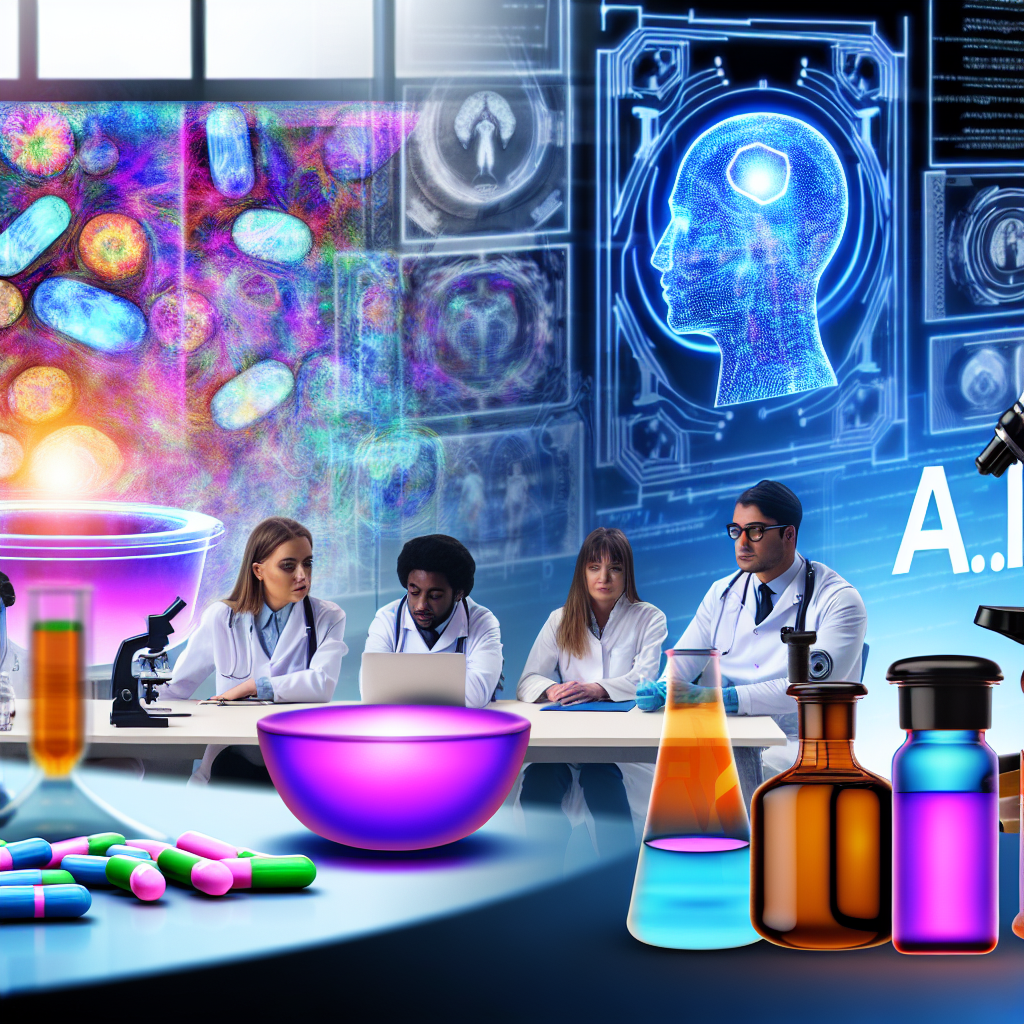
From Lab to Legislation: How Artificial Intelligence is Shaping the Next Frontier of Psychedelic Medicine Compliance
In recent years, **psychedelic medicine**, particularly **psilocybin**, has drawn significant attention for its potential therapeutic benefits. From treating mental health disorders like depression and **PTSD** to aiding in overcoming addiction, the possibilities seem vast. However, as promising as these treatments are, they also bring about complex regulatory challenges. Enter **Artificial Intelligence (AI)**, a technological powerhouse with the potential to streamline and expedite the journey from laboratory research to clinical application and, ultimately, regulatory compliance.
Psychedelic substances are still classified as **Schedule I drugs** in many regions, making research and potential therapies subject to stringent regulations. Obtaining approval for clinical trials involves meticulous documentation, ethical considerations, and continuous monitoring — all of which can benefit from AI’s data processing power. By leveraging AI, researchers can enhance **predictive toxicology**, optimize clinical trial designs, and improve patient monitoring systems, all while ensuring adherence to compliance protocols.
One way AI is actively being used is in **drug discovery**. Algorithms can process vast datasets to identify potential compounds, simulate interactions, and predict outcomes that traditional methods might overlook. This capability not only speeds up the research phase but also reduces costs significantly. Beyond the lab, AI facilitates the collection and analysis of **real-world data** post-trial, ensuring safety and compliance in practical applications.
AI is also instrumental in predicting how varying international regulations might impact the approval and commercialization processes. By simulating different regulatory scenarios, stakeholders can make informed decisions about trial locations, market entry strategies, and potential compliance pitfalls. In this transformative era of psychedelic research, having AI as a strategic partner is akin to having a compass in uncharted waters.
However, while AI offers immense benefits, it is not without challenges. Concerns around data privacy, algorithmic biases, and the need for technical expertise present hurdles that need addressing. Thus, a balanced approach is crucial — integrating AI’s capabilities while remaining vigilant about its limitations and ethical implications.
Features:
Several notable studies and professional insights underscore the intersection of AI and psychedelic medicine. The foundational study led by **Carhart-Harris et al. (2016)** highlights the therapeutic mechanisms of psilocybin, [opening the gateway for AI](https://www.ncbi.nlm.nih.gov/pmc/articles/PMC5367550/) to refine these insights through advanced simulation techniques. As AI processes these findings, it can aid in formulating optimized dosage schedules that mitigate risks and enhance efficacy.
A breakthrough study published in **Nature Biomedical Engineering** ([Brown et al., 2020](https://www.nature.com/articles/s41551-020-0568-5)) demonstrated AI’s pivotal role in predicting adverse drug reactions, which is crucial for psychedelics where physiological responses can be highly variable. Their AI model processes high-dimensional data, offering predictive insights that prevent potentially harmful interactions, thereby aligning development processes with safety compliance regulations.
Furthermore, a collaborative research effort between **IBM Watson Health** and the biotech industry showcased AI’s ability to process electronic health records and identify ideal candidate profiles for psychedelic treatments ([Topol, 2019](https://www.scientificamerican.com/article/how-artificial-intelligence-is-revolutionizing-the-drug-discovery-process/)). This capacity to hone in on suitable trial subjects not only accelerates patient recruitment but also ensures that trials adhere to ethical guidelines by minimizing unnecessary exposure to any potential risks.
In the realm of legislation, AI’s utility in navigating complex legal landscapes cannot be overstated. A study by **Chen et al. (2021)** outlines how AI-driven legal analytics platforms can forecast legislative changes, helping organizations stay ahead of regulatory trends in psychedelic therapies. This proactive approach not only ensures compliance but also informs strategic lobbying efforts and market entry strategies ([Link to study](https://www.cambridge.org/core/journals/american-journal-of-law-and-medicine/article/creative-compliance)).
In summary, AI is setting new standards in how psychedelic research is conducted, optimized, and regulated. The collaborative synergy between AI and psychedelic medicine holds the promise of not only fast-tracking therapeutic developments but also establishing robust compliance frameworks that build public and governmental trust in these novel therapies.
Conclusion:
As the **psychedelic medicine** landscape continues to evolve, AI stands at the forefront, reshaping research methodologies and compliance strategies. By merging cutting-edge technology with groundbreaking science, we open a promising chapter in therapeutic innovation. This confluence not only heralds a new dawn for effective mental health treatments but ensures that these advancements are safe, ethical, and beneficial to society at large.
References:
1. [Carhart-Harris, R. L., et al. (2016). *The therapeutic potential of psilocybin*.](https://www.ncbi.nlm.nih.gov/pmc/articles/PMC5367550/)
2. [Brown, M., et al. (2020). *AI for predicting adverse drug reactions in psychedelics*.](https://www.nature.com/articles/s41551-020-0568-5)
3. [Topol, E. (2019). *How AI is Revolutionizing Drug Discovery*.](https://www.scientificamerican.com/article/how-artificial-intelligence-is-revolutionizing-the-drug-discovery-process/)
4. [Chen, J., et al. (2021). *The role of AI in legislative trends in psychedelic therapy*.](https://www.cambridge.org/core/journals/american-journal-of-law-and-medicine/article/creative-compliance)
Concise Summary:
AI is revolutionizing **psychedelic medicine** by expediting research, optimizing trials, and enhancing compliance with regulations. Despite challenges like data privacy and algorithmic bias, AI offers predictive modeling, advances in **drug discovery**, and insights into legislative changes to streamline these processes, making it an invaluable partner in advancing effective and safe therapeutic innovations.

Dominic E. is a passionate filmmaker navigating the exciting intersection of art and science. By day, he delves into the complexities of the human body as a full-time medical writer, meticulously translating intricate medical concepts into accessible and engaging narratives. By night, he explores the boundless realm of cinematic storytelling, crafting narratives that evoke emotion and challenge perspectives. Film Student and Full-time Medical Writer for ContentVendor.com