Exploring Psilocybin’s Role in Personalized Medicine: Unlocking Custom Therapies for Mental Health
Introduction
In the evolving landscape of **mental health therapies**, **psilocybin**—the psychoactive compound found in certain mushrooms—has emerged as a promising candidate for **personalized medicine**. Traditional treatment methods for mental health have often relied on a one-size-fits-all approach, which may not be effective for everyone due to variability in individual biology and circumstances. Personalized medicine seeks to remedy this by tailoring treatments to the individual’s unique genetic makeup, lifestyle, and environment, and **psilocybin** seems uniquely positioned to contribute to this innovative approach. Furthermore, **psilocybin** has gained significant attention for its potential therapeutic effects, particularly in the treatment of conditions like **depression, anxiety, PTSD**, and **addiction**. Unlike traditional pharmaceuticals, which may take weeks to manifest benefits, **psilocybin** has been reported to induce rapid and profound improvements in mood and cognition, offering a new avenue for mental health treatment.
The allure of **psilocybin** doesn’t end with its immediate effects. Studies have indicated that it helps facilitate **neuroplasticity**—the brain’s ability to reorganize itself by forming new neural connections—providing a longer-term framework where mental health issues can be addressed more fundamentally. This opens the door not only to symptomatic relief but also to lasting changes in cognition and behavior. Moreover, with advancements in **genomic technologies** and **big data analytics**, we are now better equipped than ever to harness the full potential of **psilocybin** in **personalized medicine**. By combining genetic insights with real-time data on an individual’s mental health status, customized psilocybin therapies can potentially be developed, offering a more precise, effective, and safe treatment modality. As we delve into the fascinating intersection of **psilocybin**, **genomics**, and individual biometrics, the future of mental health treatment could be significantly reshaped.
Features
The scientific community has recently provided compelling evidence supporting **psilocybin’s application** in **personalized medicine**. One groundbreaking study published in the journal [Nature Medicine](https://www.nature.com/articles/s41591-020-0895-4) explored psilocybin’s efficacy in **treatment-resistant depression**. Conducted by researchers at **Imperial College London**, the study found that patients receiving **psilocybin therapy** reported substantial improvements in their depressive symptoms compared to those receiving conventional treatment. These findings suggest that **psilocybin** could serve as a potent alternative for individuals for whom traditional antidepressants prove ineffective.
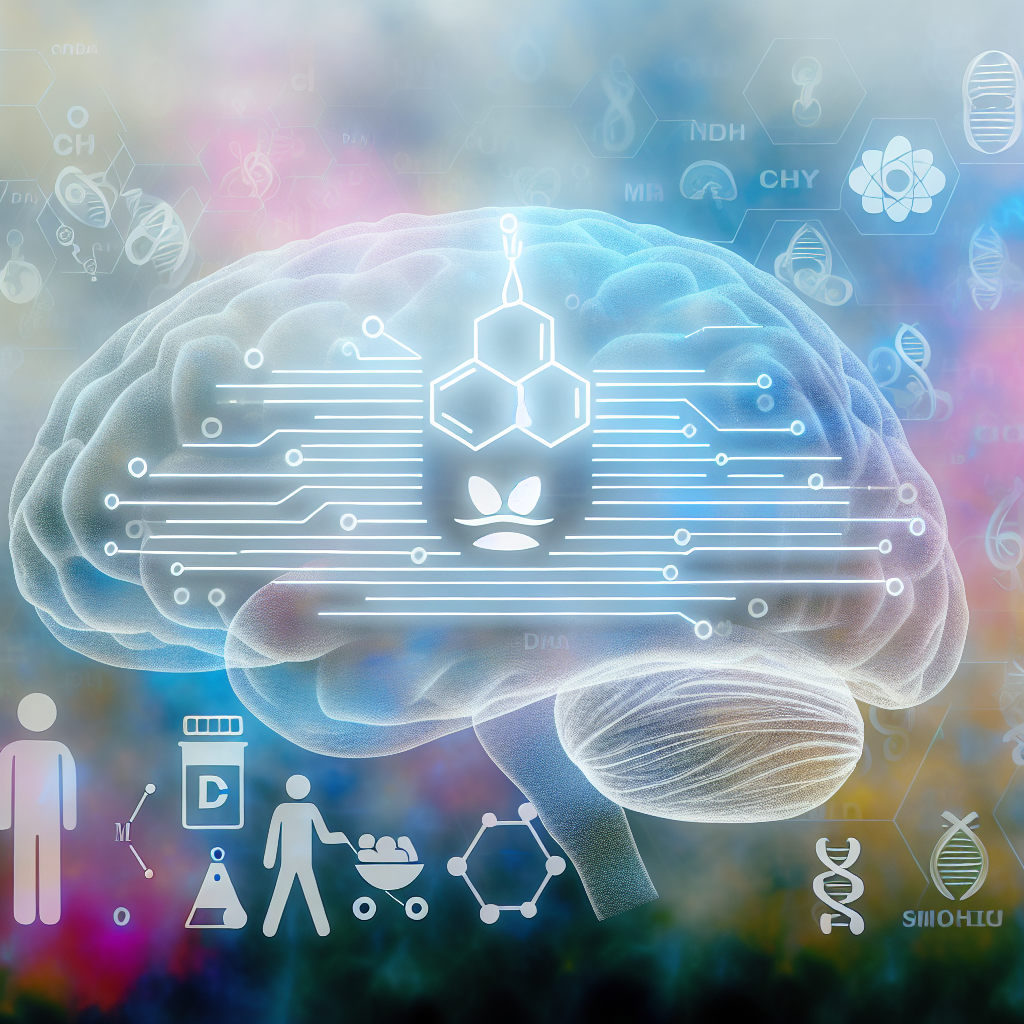
Further bolstering these results, another study from [Johns Hopkins Medicine](https://www.hopkinsmedicine.org/news/newsroom/news-releases) focused on the **neuropsychological impacts** of psilocybin. Researchers discovered that **psilocybin promotes neuroplasticity** and enhances emotional and cognitive flexibility. This capability could be pivotal in how well patients respond to therapy, making it an ideal tool for **personalized approaches** that require adaptability and innovation in treatment responses. Moreover, the application of **genomic technologies** has started to unlock new potential areas where psilocybin can be individualized. By analyzing **genetic markers** associated with **serotonin receptor sensitivity** and the metabolic processing of **psilocybin**, treatment plans can be more finely tuned to optimize efficacy and reduce adverse effects. For instance, individuals with certain genetic variations in their serotonin receptor genes may experience more profound effects from psilocybin, allowing for tailored dosing strategies.
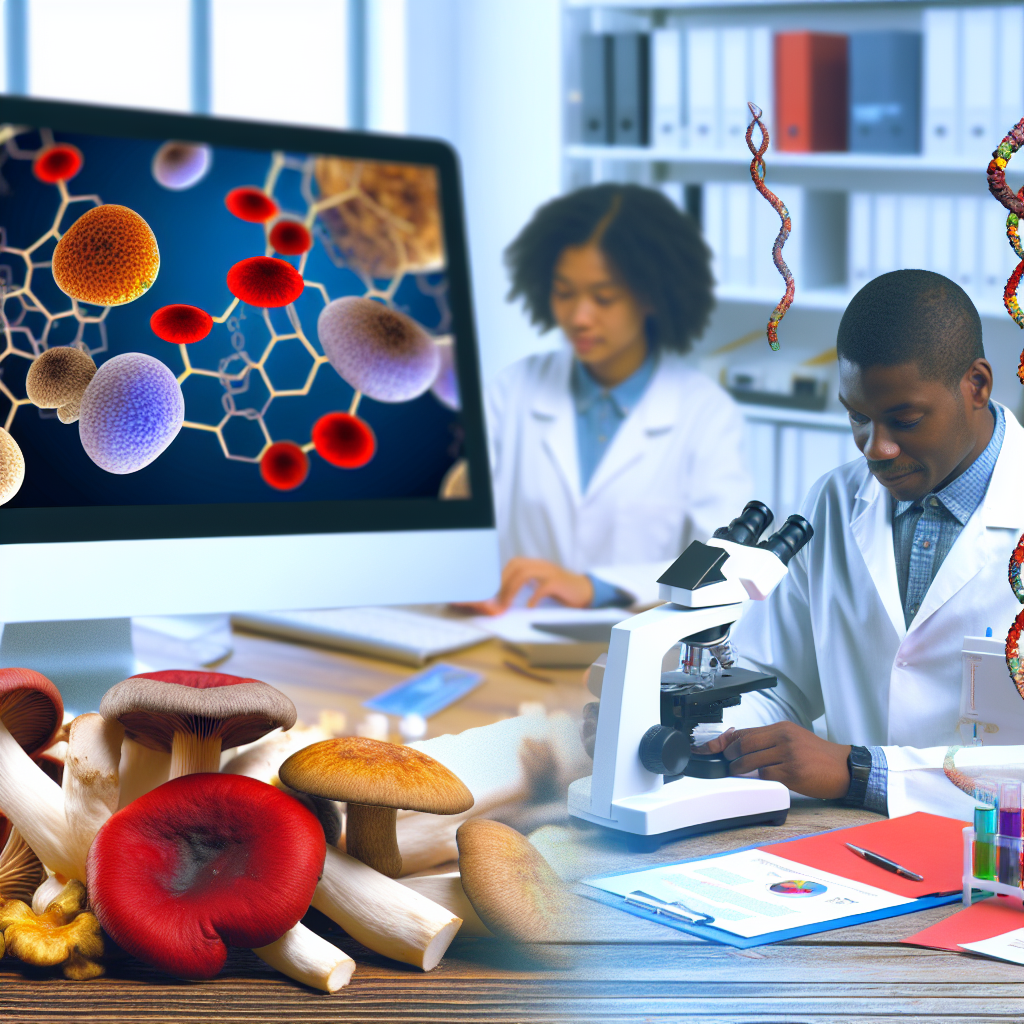
Collaboration with tech companies specializing in **big data** and **AI** is also fostering this personalized medicine approach. Algorithms can analyze vast datasets, including genetic, psychological, and environmental variables, to predict an individual’s response to psilocybin therapy with remarkable accuracy. This could lead to real-time adjustments in treatment protocols, optimizing outcomes for diverse patient populations. As ongoing research continues to unearth the nuances of psilocybin’s interaction with our biology, the potential for this compound to play a transformative role in mental health via **personalized medicine** becomes increasingly evident.
Conclusion
**Psilocybin’s potential** to revolutionize **mental health treatment** through **personalized medicine** is both promising and profound. By leveraging **genetic advancements** and **big data**, we move closer to customizing **psilocybin therapies** that are both precise and effective. While more research and regulatory measures are needed, the strides made thus far indicate a future where mental health care is not only more accessible but also more adaptable to the needs of each individual.
For more information, visit [Nature Medicine](https://www.nature.com/articles/s41591-020-0895-4) and [Johns Hopkins Medicine](https://www.hopkinsmedicine.org/news/newsroom/news-releases).
**Concise Summary:** Psilocybin, the active compound in certain mushrooms, is a promising candidate for personalized mental health therapies due to its rapid and profound mood-enhancing effects and ability to promote neuroplasticity. Recent studies suggest its potential in treating conditions like depression, anxiety, and PTSD, especially when traditional treatments fail. By integrating genomic insights and big data analytics, psilocybin treatments can be precisely tailored to individual genetic and psychological profiles. As research advances, psilocybin’s role in personalized medicine promises a more effective and adaptable future for mental health care.

Dominic E. is a passionate filmmaker navigating the exciting intersection of art and science. By day, he delves into the complexities of the human body as a full-time medical writer, meticulously translating intricate medical concepts into accessible and engaging narratives. By night, he explores the boundless realm of cinematic storytelling, crafting narratives that evoke emotion and challenge perspectives. Film Student and Full-time Medical Writer for ContentVendor.com