Creating a Personal Integration Sanctuary – Environmental Design Principles
Introduction
In recent years, there has been growing interest in the therapeutic potential of **psilocybin**, the active compound found in certain species of mushrooms. As research continues to validate its benefits in mental health and various therapeutic settings, more individuals are incorporating psilocybin into their wellness routines. However, the **environment** in which one engages with this powerful compound plays a critical role in the **integration process**. Enter the concept of a personal **integration sanctuary**—a carefully curated space designed to support and enhance the introspective and healing journey facilitated by psilocybin.
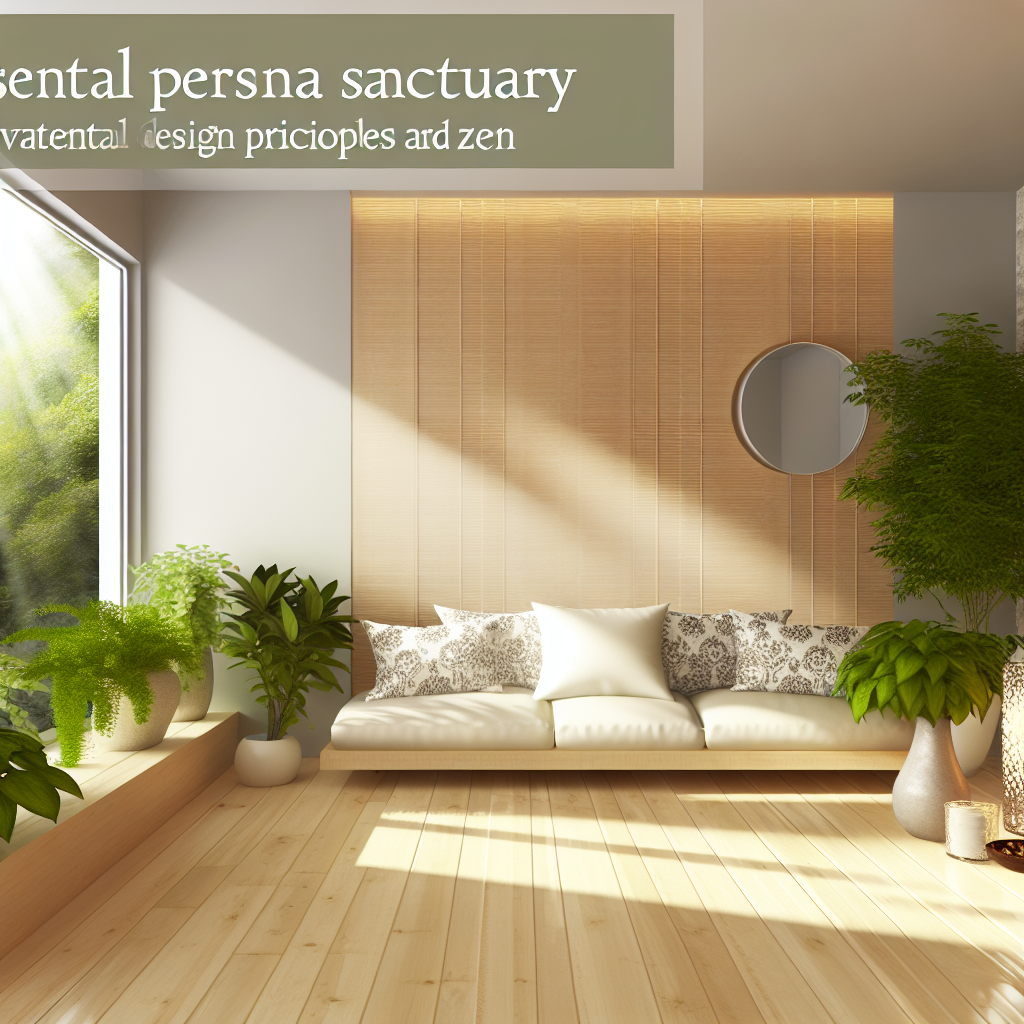
An integration sanctuary is more than just a comfortable room; it’s a mindful blending of elements that nourish the **mind, body, and spirit**. To optimize the therapeutic benefits of psilocybin, the environment should be calming and conducive to introspection and relaxation. It is an artful fusion of sensory inputs, including light, sound, scent, and touch, effectively setting the stage for a profound and transformative experience.
**Architectural design** and **interior aesthetics** are central to creating this sanctuary. **Soft, natural lighting** is preferred over harsh fluorescent lighting, as it promotes relaxation and mental clarity. Similarly, the use of **natural materials**—wooden furniture, bamboo flooring, cotton textiles—grounds the experience and connects one with **nature**. **Plants**, often considered nature’s psychological and physiological allies, further enhance this connection with the earth.
**Sound** also plays a pivotal role. The acoustic environment should be tailored to the individual’s tastes, whether it’s gentle ambient music, nature sounds, or complete silence. The right auditory backdrop can facilitate deeper **meditation** and **emotional release**. Additionally, scents such as lavender, sandalwood, and frankincense can be soothing, with known therapeutic properties to reduce **anxiety** and **stress**.
Ultimately, each sanctuary should be unique to the individual, reflecting personal tastes and preferences. This personalized space not only promotes well-being during the psilocybin experience but also aids in the crucial integration phase, wherein insights gained from the journey are assimilated into everyday life. As interest in **psilocybin therapy** grows, understanding and applying environmental design principles will become increasingly important in maximizing its **healing potential**.
Features
Numerous studies have demonstrated the impact of **environmental factors** on cognitive and emotional health, particularly in therapeutic settings. The principles of **environmental psychology** underscore the importance of surroundings in influencing mental states and the healing process. One study published in the *Journal of Environmental Psychology* found that natural elements in a space, such as plants and natural light, significantly improve mood and cognitive function ([van den Berg et al., 2015](#)).
Another relevant study in the *International Journal of Environmental Research and Public Health* highlights the importance of **soundscapes** in therapeutic environments. The research suggests that natural sounds, such as birdsong and flowing water, help to lower **cortisol levels**—the primary stress hormone—and improve emotional well-being ([Alvarsson et al., 2010](#)). This underscores the importance of incorporating nature sounds into a personal integration sanctuary to enhance the therapeutic effects of psilocybin.
Moreover, the olfactory environment should not be underestimated. **Aromatherapy**, a century-old practice, has modern scientific backing for its calming effects. A study in the *Journal of Alternative and Complementary Medicine* demonstrates that essential oils like **lavender** and **chamomile** significantly reduce anxiety levels ([Lee et al., 2011](#)). These findings support the use of smell as a tool to facilitate relaxation and enhance the integration process.
The tactile dimension is equally important. Research indicates that tactile sensations, such as the feel of natural fabrics or the texture of a wood surface, contribute to a soothing environment conducive to reflection and healing. Soft textiles and comfortable seating arrangements can provide the necessary physical comfort that complements the emotional and psychological effects of psilocybin therapy.
By integrating these elements, a personal integration sanctuary offers a holistic approach to psilocybin therapy. It becomes a supportive environment for introspection and emotional release, creating an optimal setting for both the immediate experience and long-term integration of insights.
Conclusion
Creating a personal integration sanctuary is an essential step in maximizing the therapeutic potential of **psilocybin**. By thoughtfully designing a space that incorporates natural elements, sound, scent, and tactile comfort, individuals can facilitate deeper introspection and emotional healing. As scientific evidence underscores the impact of the environment on mental health, these design principles become invaluable tools in the journey of psychedelic integration.
Concise Summary
Creating a personal integration sanctuary is vital for maximizing the therapeutic benefits of psilocybin. A well-designed space incorporates natural elements, sensory inputs like light, sound, scent, and tactile sensations to support introspection and emotional healing. Research underscores the significant impact of environmental factors on mental health, emphasizing the role of plants, soundscapes, aromatherapy, and tactile experiences in enhancing therapeutic outcomes. Individualized and thoughtfully curated, these sanctuaries offer a holistic approach to psilocybin therapy, providing a conducive environment for profound transformation and the successful integration of insights into daily life.

Dominic E. is a passionate filmmaker navigating the exciting intersection of art and science. By day, he delves into the complexities of the human body as a full-time medical writer, meticulously translating intricate medical concepts into accessible and engaging narratives. By night, he explores the boundless realm of cinematic storytelling, crafting narratives that evoke emotion and challenge perspectives. Film Student and Full-time Medical Writer for ContentVendor.com