Climate-Specific Mushroom Cultivation: Adapting to Environmental Conditions
Introduction
The global surge in interest regarding medicinal mushrooms is supported by centuries of traditional use and recent breakthroughs in health science. From Lion’s Mane’s neuroprotective properties to Reishi’s immune-modulating effects, mushrooms are becoming a cornerstone of preventative and integrative medicine. However, the growing demand for medical-grade mushrooms presents a unique challenge: consistent, high-quality cultivation across varying climates. Climate-specific mushroom cultivation, rooted in sustainable horticultural principles and adaptive environmental strategies, may hold the key to meeting this demand efficiently.
Mushrooms are incredibly sensitive organisms. Unlike plants, fungi lack vascular systems and instead rely on environmental cues like temperature, humidity, light, and substrate composition for fruiting. Replicating the optimal growing conditions in commercial settings across different geographic regions is crucial for maintaining both quality and medicinal potency. This challenge is further amplified by climate change, which introduces rising temperatures, unpredictable weather patterns, and alterations in humidity cycles—forcing cultivators to adopt resilient, adaptable practices.
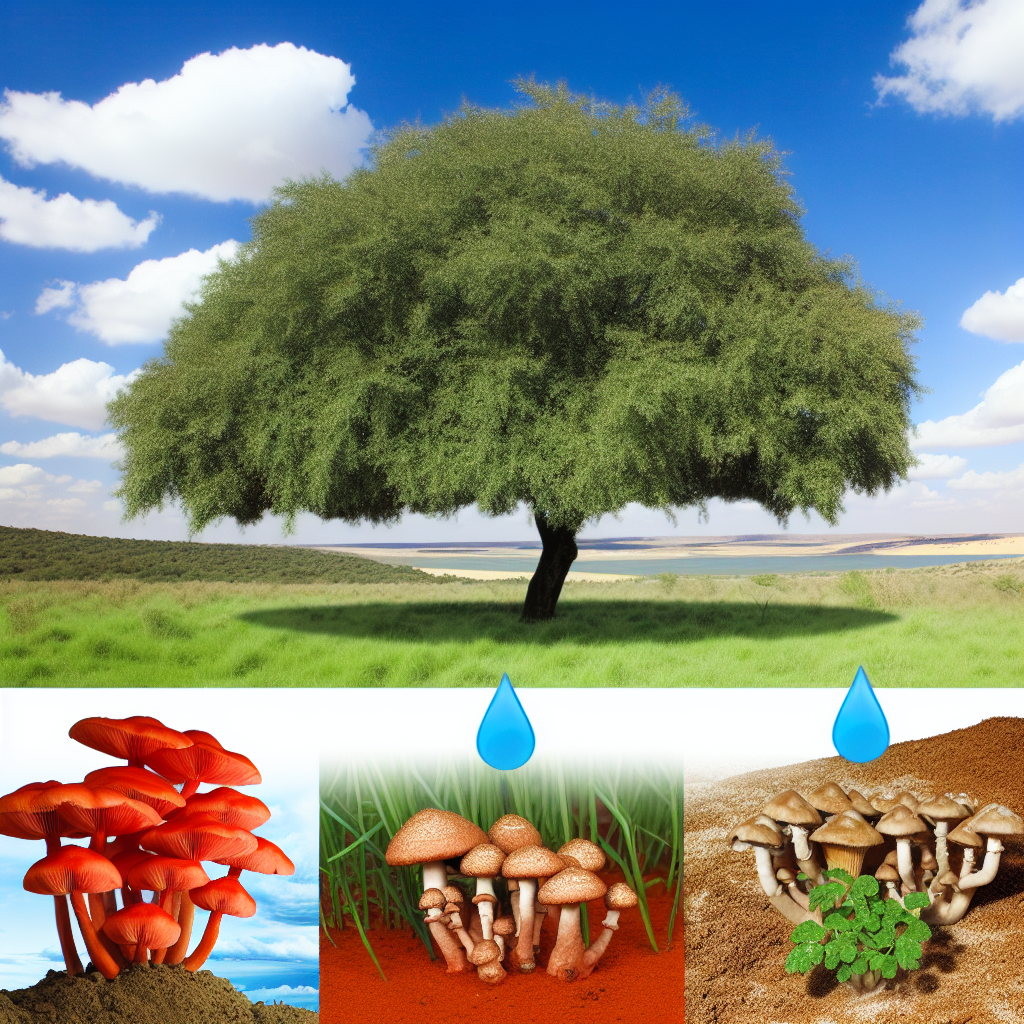
Regions like the Pacific Northwest in the U.S., along with certain parts of Europe and South America, have historically been centers for mushroom cultivation due to their innate climate suitability: generally cool, wet, and forested. In contrast, growers in arid, desert, or highly variable climates must adopt innovative methods such as Controlled Environment Agriculture (CEA), smart moisture systems, and locally adapted substrate techniques. Tailoring the cultivation process to local environmental conditions not only ensures survivability but can also enhance the bioactive profile of the fungi.
The benefits of localized cultivation are comprehensive: it reduces transportation emissions, results in fresher harvests, fits better with regional soil and water conditions, and can lead to significant savings in operating costs over time. Furthermore, small-scale growers have the advantage of working with indigenous fungi already acclimated to local conditions, creating opportunities for custom-tailored blends targeting specific health concerns such as anxiety, neurodegeneration, and immune support.
As mushroom-related therapies transition further into mainstream medicine—particularly regarding psilocybin-assisted treatment and immune modulation—adapting cultivation to specific climates becomes essential. Not only does this preserve the health profile of the mushrooms, but it also strengthens the sustainability and economic feasibility of mushroom farming.
Features and Emerging Research
Recent scientific developments have reinforced the importance of climate-responsive growing environments, especially in influencing a mushroom’s therapeutic value. For example, a 2021 study published in Mycobiology demonstrated that lighting and temperature variations during the cultivation of Lion’s Mane (Hericium erinaceus) led to substantial differences in levels of hericenones and erinacines—compounds linked to brain health and neuroregeneration. This supports the idea that changes in climate-sensitive variables can greatly enhance or diminish the neuroprotective compounds in medicinal mushrooms.
Additionally, a 2023 publication in Frontiers in Fungal Biology studied how regional differences in temperature and atmospheric moisture influence the growth and beta-glucan concentration in Reishi (Ganoderma lucidum) and Turkey Tail (Trametes versicolor). Their findings indicated that cooler, more humid conditions had a direct correlation with increased polysaccharide content—an essential component in immune system support and cancer therapy. This emphasizes how fine-tuned environmental factors can drastically affect the medicinal value of fungi.
Incorporating knowledge from Traditional Ecological Knowledge (TEK) also plays a vital role. For centuries, Indigenous groups worldwide have practiced seasonal, climate-attuned harvesting of wild mushrooms. By merging these ancestral insights with modern cultivation science, growers can develop regenerative models that work in harmony with nature rather than exploiting it.
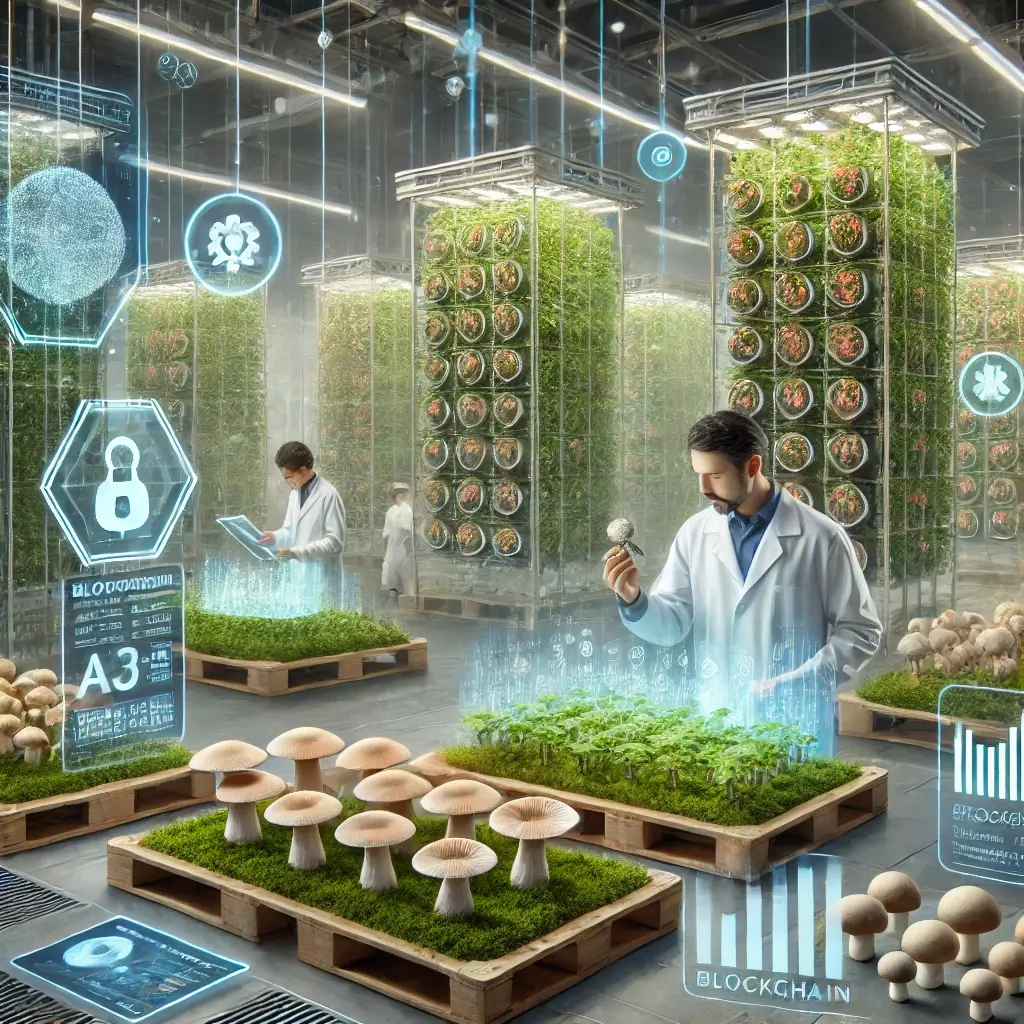
One frontier area is the use of adaptive greenhouse technologies and sensory-based bioreactors. These controlled environments are making it possible to cultivate mushrooms in regions with previously inhospitable conditions—such as deserts or alpine zones—by simulating favorable environmental profiles. Taking inspiration from Dutch CEA innovations, growers can now manage CO2 levels, light cycles, humidity ranges, and substrate nutrition to match the specific needs of each mushroom species.
Take Psilocybe cubensis as an example: these psilocybin-producing mushrooms require warm temperatures (75–80°F) and high humidity for optimal growth. While these parameters occur naturally in tropical zones, northern growers can use climate-controlled operations to mimic these requirements year-round. This consistency is critical, as even small deviations in environmental factors can impact the psilocybin and psilocin levels, both crucial for consistent medical outcomes in psychedelic-assisted therapies.
Looking ahead, advances in both small-scale and industrial mushroom farming will likely center on creating consistency through smart infrastructure and environmental mimicry. This not only ensures enhanced therapeutic efficacy but also supports eco-conscious agriculture and increased scalability for global markets.
Conclusion
In the evolving world of medicinal mushrooms and natural healing, climate-specific cultivation stands as a critical aspect of quality fungi production. By understanding and adapting to regional environmental conditions, growers can implement tailored practices that enhance both the potency and sustainability of their products. Combining traditional ecological knowledge with modern cultivation technologies presents a future-forward model that supports both Earth and human health. As the therapeutic potential of mushrooms becomes increasingly recognized, the manner and place in which they are cultivated will play a central role in shaping the health outcomes of future generations.
References
1. Mycobiology Journal – Influence of Climatic Factors on Hericium erinaceus Growth
2. Frontiers in Fungal Biology – Environmental Impact on Beta-glucan Production in Medicinal Mushrooms
3. Erowid Psilocybin Mushroom Vault
4. Controlled Environment Agriculture Overview – USDA
5. Ganoderma lucidum and Its Immunomodulatory Polysaccharides
Concise Summary
Climate-specific mushroom cultivation is essential for producing potent, sustainable medicinal fungi. As global demand rises and climate conditions shift, growers must tailor cultivation methods to environmental factors such as temperature, humidity, and substrate. Recent research emphasizes how these variables significantly influence the medicinal content of mushrooms like Lion’s Mane and Reishi. By integrating traditional ecological knowledge with advanced techniques like controlled environment agriculture and bioreactors, growers can ensure consistent quality and enhanced therapeutic value. This approach supports both global health and ecological sustainability, positioning climate-aware cultivation as a vital component in the future of mushroom-based medicine.

Dominic E. is a passionate filmmaker navigating the exciting intersection of art and science. By day, he delves into the complexities of the human body as a full-time medical writer, meticulously translating intricate medical concepts into accessible and engaging narratives. By night, he explores the boundless realm of cinematic storytelling, crafting narratives that evoke emotion and challenge perspectives. Film Student and Full-time Medical Writer for ContentVendor.com