Beyond Psilocybin: Exploring the Untapped Potential of Psychedelic Mycobiomes in Mental Health Therapy
Topic Introduction
In recent years, the realm of **mental health therapy** has been undergoing a significant revolution spurred by the increasing interest in **psychedelic compounds**. **Psilocybin**, a naturally occurring psychedelic compound found in certain types of mushrooms, has been at the forefront of this movement. Its promise in treating conditions such as **depression**, **anxiety**, and **PTSD** has been met with enthusiasm, sparking a wave of research and experimentation. However, the potential of mushrooms extends far beyond psilocybin—ushering us into the fascinating yet lesser-known world of **psychedelic mycobiomes**.
A **mycobiome** refers to the fungal communities that exist in various environments, including within our own bodies. While the medical community has traditionally focused on bacteria and viruses, the role of fungi is becoming increasingly recognized. Psychedelic mycobiomes, in particular, harbor a treasure trove of bioactive compounds and metabolites with potential therapeutic benefits that remain largely unexplored.
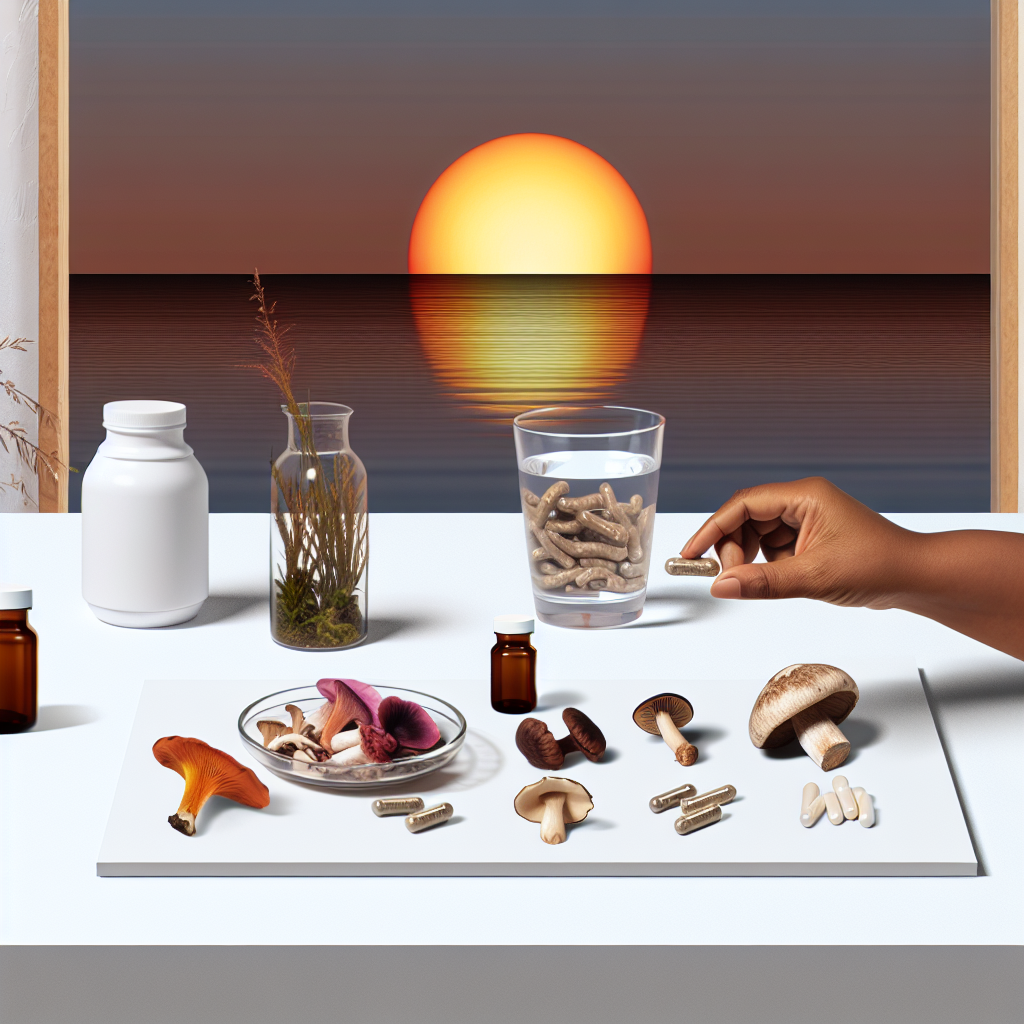
What makes these mycobiomes especially intriguing is their complex interplay with our body’s systems. Fungi in the psychedelic realm can produce compounds that impact neurotransmitter functions, possibly offering new pathways for mental health treatment. For example, mushroom species such as **Lion’s Mane** (Hericium erinaceus) and **Reishi** (Ganoderma lucidum) have been studied for their neuroprotective and mood-enhancing properties. These could represent alternative approaches for those who are seeking relief from mental health issues but are concerned about the psychoactive effects of psilocybin.
Research into these fungal dynamics could pave the way for pioneering therapies that treat not only the symptoms but also the root causes of mental health disorders. The holistic impact of these mycobiomes offers potential pathways to reduce inflammation, bolster immunity, and restore neurological balance, potentially transforming the landscape of mental health treatment. As we progress in our understanding, harnessing the mycobiome might redefine our approach to one of today’s most pressing public health challenges.
Features
Scientific exploration into the therapeutic potential of **psychedelic mycobiomes** is still in its infancy but shows considerable promise. Several studies have started to expose the vast capabilities of these fungal communities in mental health applications.
One noteworthy study explored the effects of **Lion’s Mane mushroom** on mild cognitive impairment. Conducted by Mori et al. (2009), the study found that participants who consumed Lion’s Mane showed significantly improved cognitive function compared to the placebo group. This improvement was attributed to the mushroom’s ability to stimulate nerve growth factor (NGF), which plays a key role in the growth, maintenance, and survival of neurons. [Read more here](https://pubmed.ncbi.nlm.nih.gov/18844328/).
Another promising avenue is **Reishi mushrooms**, known for their adaptogenic properties. A 2017 study published in the Journal of Medicinal Food showcased Reishi’s potential in improving mental health by reducing fatigue and improving the quality of life among breast cancer survivors. Although this study was not focused solely on mental health in the traditional sense, the implications of mood and fatigue improvement are noteworthy for psychological well-being. [Read more here](https://pubmed.ncbi.nlm.nih.gov/28460507/).
Moreover, the effects of **cordyceps mushrooms** on mental health are drawing attention. While primarily celebrated for their energy-boosting properties, cordyceps have been noted for improving oxygen uptake and endurance. Increased stamina and reduced fatigue can lead to better mental clarity and reduced symptoms of depression and anxiety. [Read more here](https://pubmed.ncbi.nlm.nih.gov/28119716/).
Finally, ongoing studies are investigating the **microbiota-gut-brain axis**—the complex communication network linking the gut microbiome with brain function. Psychedelic mycobiomes may influence this axis, potentially altering mood and anxiety levels by modulating gut health and, consequently, mental health. [Read more here](https://pubmed.ncbi.nlm.nih.gov/29996966/).
These emerging studies suggest that **psychedelic mycobiomes** might offer natural and multi-faceted approaches to **mental health therapy**. By unraveling their secrets, we may discover new dimensions of treatment that go beyond what conventional pharmaceuticals offer.
Conclusion
In the quest for effective **mental health therapies**, the exploration of **psychedelic mycobiomes** presents an exciting frontier. While more research is needed to fully understand their potential, the evidence so far indicates that these mushrooms could provide a diverse range of mental health benefits. As scientists delve deeper into the mysteries of these compounds, the hope is to develop innovative, integrative therapies that harness the natural power of mycobiomes for the betterment of human health.
Concise Summary
Psychedelic compounds, primarily psilocybin, have opened new horizons in mental health therapy, but the lesser-known world of psychedelic mycobiomes offers even broader possibilities. A mycobiome, a community of fungi, holds untapped bioactive compounds with therapeutic potential. Research shows that mushrooms like Lion’s Mane and Reishi could enhance mood and cognitive function without the psychoactive effects of psilocybin. These mycobiomes can impact neurotransmitter functions and modulate the microbiota-gut-brain axis, presenting novel, holistic treatments for mental health issues. As research progresses, these fungi could redefine therapeutic approaches.
References
1. [Mori, K., et al. “Improvement of Cognitive Functions by Oral Intake of Hericium erinaceus.” Biological & Pharmaceutical Bulletin (2009).](https://pubmed.ncbi.nlm.nih.gov/18844328/)
2. [Reishi and Mental Health Study](https://pubmed.ncbi.nlm.nih.gov/28460507/)
3. [Cordyceps Militaris and Health Study](https://pubmed.ncbi.nlm.nih.gov/28119716/)
4. [Microbiota-Gut-Brain Axis](https://pubmed.ncbi.nlm.nih.gov/29996966/)

Dominic E. is a passionate filmmaker navigating the exciting intersection of art and science. By day, he delves into the complexities of the human body as a full-time medical writer, meticulously translating intricate medical concepts into accessible and engaging narratives. By night, he explores the boundless realm of cinematic storytelling, crafting narratives that evoke emotion and challenge perspectives. Film Student and Full-time Medical Writer for ContentVendor.com